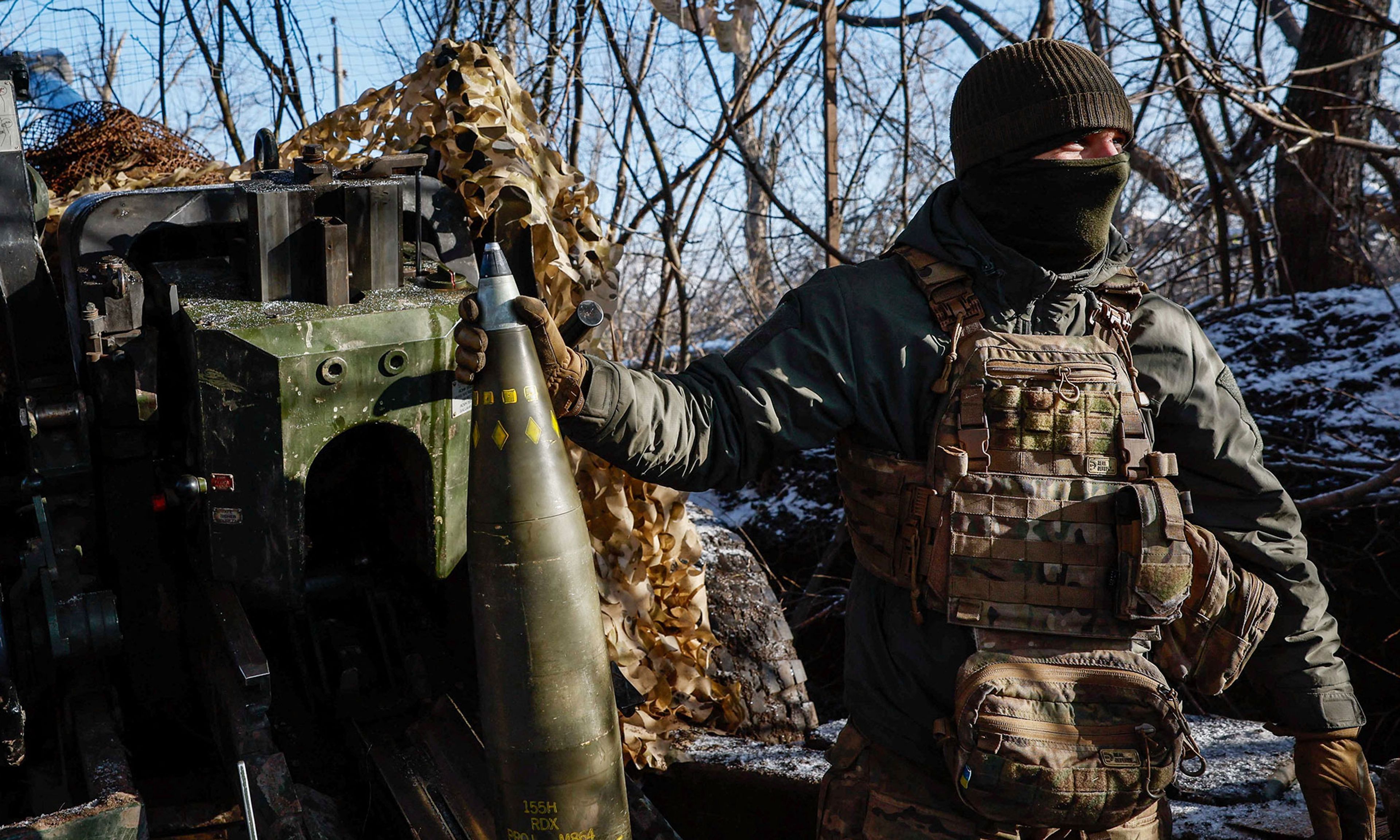
The specter of Russian imperialism has been hanging over Europe for a long time. However, for many years, some circles and states did not accept this, considering that it was possible to cooperate with Russia and even to build their own economic and political power on this very cooperation. The situation only changed when Russia launched a full-scale war against Ukraine, which forced a shift in the West’s attitude and policies toward Moscow. Today, however, after almost two years of war in Ukraine, there is a growing risk of another reset and a return to talks about future relations between Russia and the West. Sensing this opportunity, the Kremlin has recently stepped up measures calculated to force “negotiations” with Ukraine aimed at freezing the war in place.
This scenario represents a dangerous trap. In essence, after all, the “freezing” of the front would mean a practical recognition of the Russian occupation of Ukrainian soil, a kind of acceptance of war as a legitimate tool of Russian policy. Additionally, it would open the way for further pressure on the West and the corruption of those used to lobby for a return of business relations with Russia. And it would create a propaganda trap — if Ukraine launched a counteroffensive after the conflict had been frozen, it would become the aggressor who violated the terms of the truce accepted by the world.
Comments