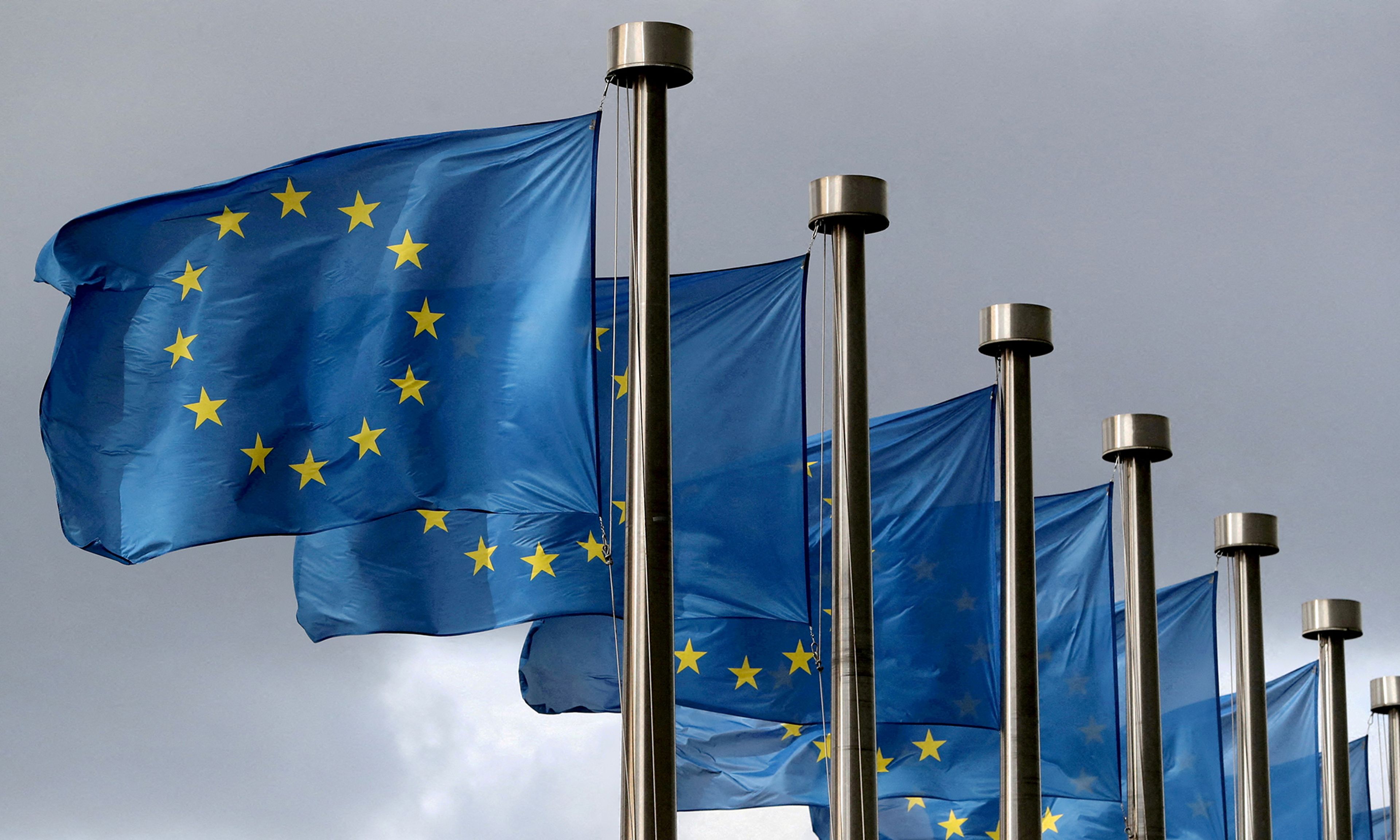
In the second half of the past decade, a new political bogeyman appeared on the global scene: the illiberal democrat. The beau ideal of illiberal democracy is, of course, Viktor Orbán of Hungary, who outlined the term in a 2014 speech. “The Hungarian nation is not a simple sum of individuals,” he said, “but a community that needs to be organized, strengthened, and developed, and in this sense, the new state that we are building is an illiberal state, a non-liberal state.”
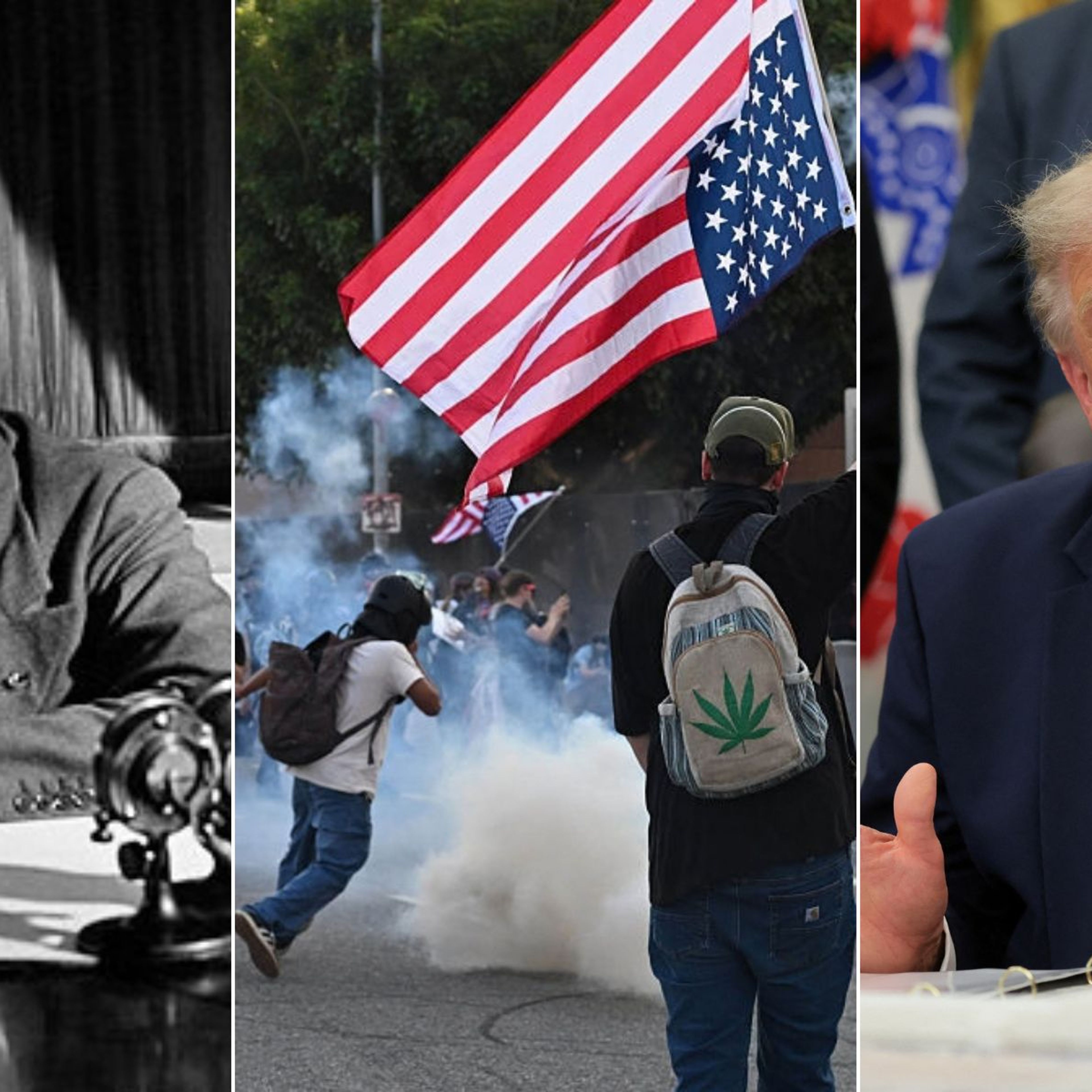
It sounded ominous, but Orbán went on to explain that he intended to limit not the political freedom of Hungarians but the ability of foreigners to direct NGOs that are lobbying the Hungarian state. He also wanted to provide the Hungarian state adequate resources to negotiate with the EU, recognizing that politics is still a contest for power and not just happy cooperation. Still, the term “illiberal democrat” caught on and was applied, well, liberally to leaders such as Donald Trump, Jair Bolsonaro in Brazil, the Law and Justice party in Poland, and even retrospectively to Silvio Berlusconi in Italy. The charge was that they would use a popular and populist agenda to erode fundamental liberties. The franchise would be withdrawn, the press suppressed, civil society crushed, and opposition to the government increasingly criminalized.


Comments