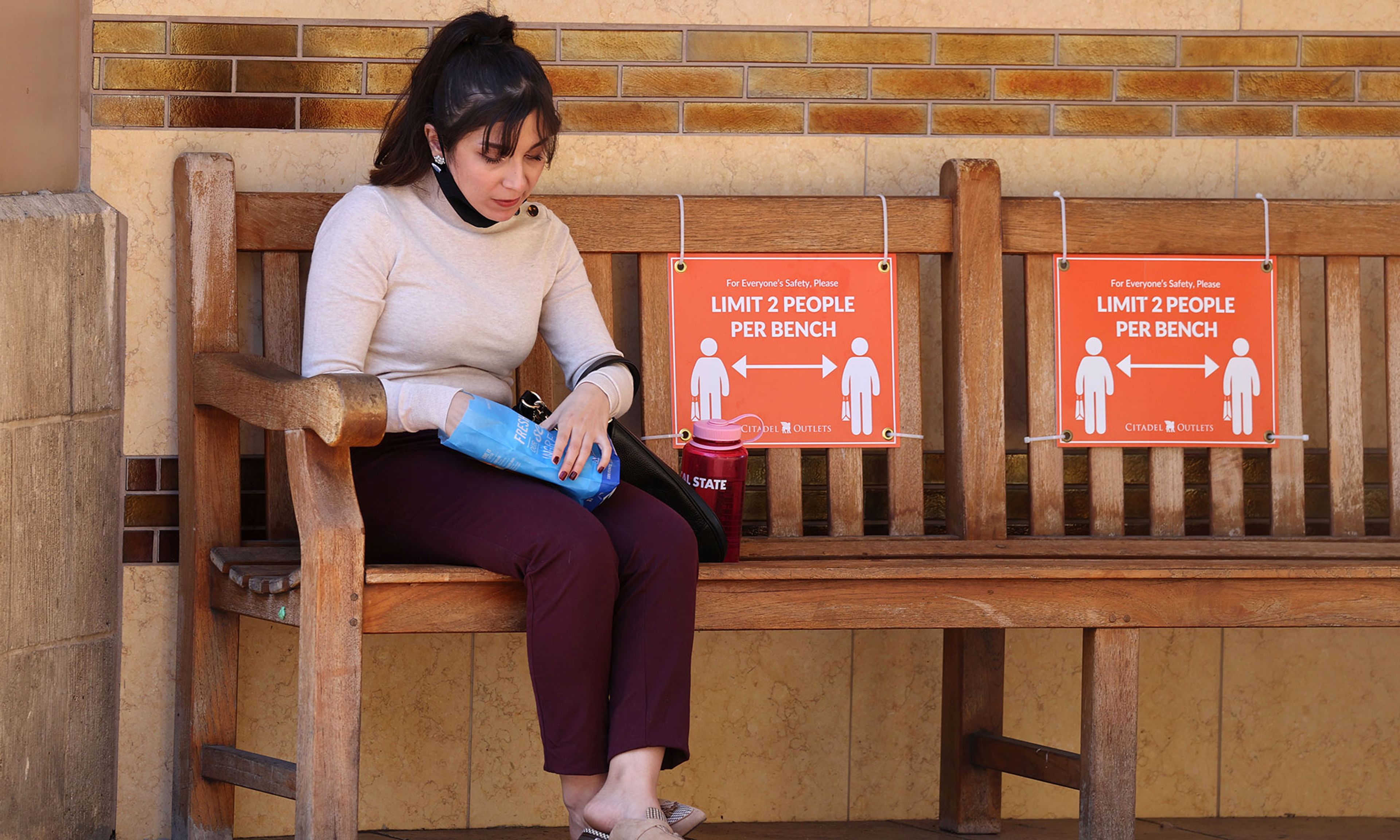
A year of the COVID pandemic has transformed some of the freest and most affluent societies in the history of the West beyond recognition and in ways perhaps never imagined. Not even amid the last century’s two world wars did we experience anything similar to the past twelve months, whereby the economies and lives of entire nations were stopped on a dime by executive fiat, when normal human interactions were forcibly halted to save us from a pathogen that, according to many a pundit — at least initially — would have otherwise killed millions. During this past year “lockdowns” gained widespread currency: a term eerily connoting the idea of incarceration, only this time it was to be effected by the citizens themselves, urged to accept a de facto self-imprisonment mandated by pro publico bono and based on the mantra of “trust the science” repeated by government officials and media outlets. As a result, Europe and North America of a year ago and today look like two different worlds.
A year into the collective pandemic psychosis, few seem to remember that “lockdowns” were to serve as a temporary expedient, to last but a few weeks so as to “flatten the curve” and ensure that our medical services would not become overburdened. But already at inception, instead of weighing opportunity cost and the relative economic and social impact, our public-policy decision-making was reduced to the unyielding Faucian binary of “either we lock down or people die,” reinforced via the contrived moral blackmail that no responsible political leader or decent human being could object, for if we save but one life, the economic and societal devastation visited upon us in the process will have been worth it regardless. Few politicians or media pundits bothered to ask the obvious question of why a life threatened by COVID deserved to be saved before all other lives threatened by, say, untreated cancers or untreated heart conditions, and why the rights of free citizens, such as the right to earn a living, to interact with one’s family and friends, to educate one’s children, or simply to live in freedom — a right that millions have died across history to preserve — should be sacrificed so that we could (as one politician recently asserted) “conquer this virus.”



Comments