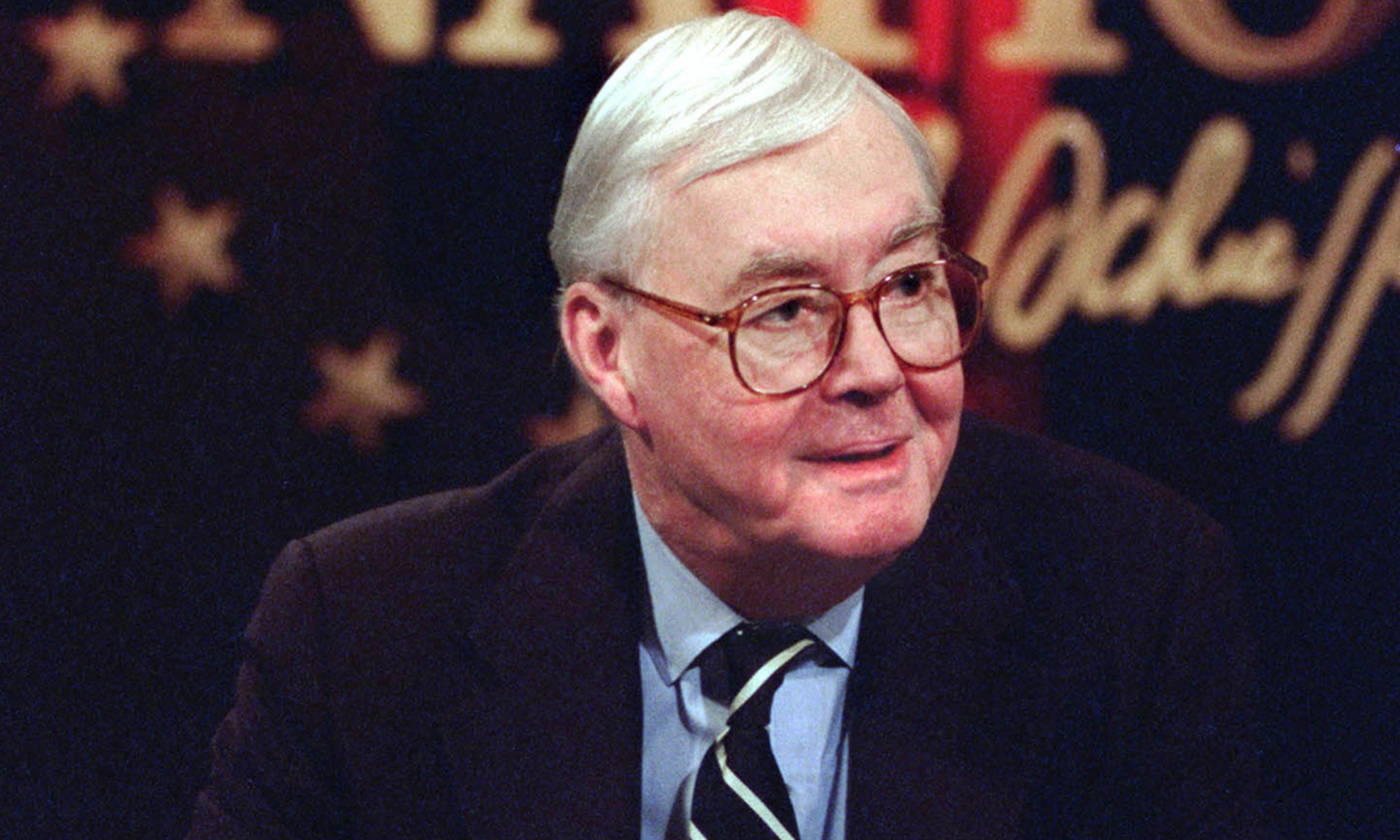
In winter 1993, Senator Daniel Patrick Moynihan (D., N.Y.) published a report titled “Defining Deviancy Down” in the American Scholar. His thesis was that American society since the 1960s had undergone a shift in what it understood as deviant behavior. As a result, society was beginning to excuse actions, attitudes, and lifestyles once understood to be bad for social cohesion. He cited the emptying of mental institutions in the 1960s and ’70s, the increase in single-parenthood rates, and an increased acceptance of crime rates as examples of this phenomenon.
Thirty years later, the refusal to define deviancy is as strong in progressive circles as it was in Moynihan’s time. But now, there are almost no Moynihans on the left willing to heed his obvious lessons. The results have been predictable. In Washington, D.C., the city council recently voted 12–1 to override Mayor Bowser’s veto of a new criminal code. In the wake of an attack on Representative Angie Craig (D., Minn.), the House of Representatives (including Craig herself) voted to overturn this new criminal code. The code would, among other things, reduce the penalty for carjacking at a time when D.C. averages one carjacking a day. In a statement defending the measure, councilwoman Brooke Pinto wrote that the new code is “more equitable and just” and would “promote public safety.”



Comments