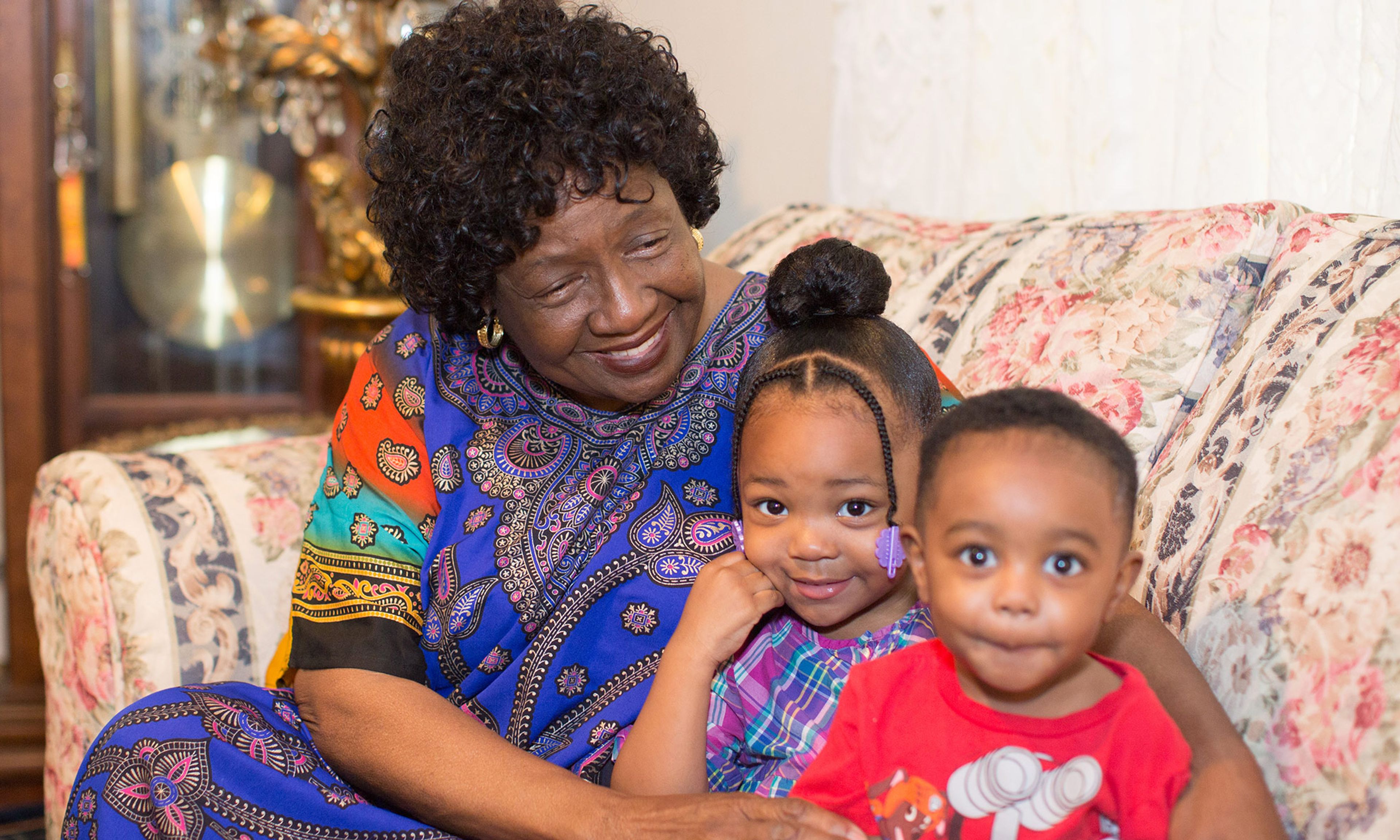
Sharonell Fulton and Toni Simms-Busch should be household names. Instead we watch what Kim Kardashian is wearing at the Vatican. But the Supreme Court gives us the opportunity to know some of the non-Kardashians. The non-showy, quiet heroines. Fulton and Simms-Busch were the plaintiffs in the recent foster-care and religious-liberty case at the Supreme Court, Fulton v. City of Philadelphia. It was a unanimous ruling, as you may have seen, and that is somewhat remarkable. Legal eagles who labor to defend religious liberty have qualms about the narrowness of the ruling, but I’m grateful for the message it sends.
The city of Philadelphia stopped working with Catholic Social Services because of Catholic teaching about same-sex marriage. Marriage being between a man and a woman, of course, was acceptable to the likes of Barack Obama and Joe Biden not so long ago. But now cultural winds have shifted and there is a tyrannical impulse to make people submit or be ostracized or penalized. Well, in this particular case, it’s about families willing to open their homes and give to children the love they need to have a chance in life, children who were suffering because of the cold ideological move by the City of Brotherly Love. Unanimously, the Supreme Court said that was unconstitutional.
In a recent op-ed in the Wall Street Journal, Fulton and Simms-Busch explained in human terms why Catholic Social Services is so crucial in the city of Philadelphia:
Faith-affirming foster care and adoption agencies are crucial in our community. Shutting them down because of what they believe would devastate already at-risk children by reducing the number of families able and willing to care for them. Some families choose to foster or adopt only if they can partner with an agency that shares their religious beliefs. Allowing for a diverse array of foster agencies to serve the community is vital. Over 60% of the foster families Catholic Social Services certifies and supports are racial or ethnic minorities. Philadelphia desperately needs more families like these to care for children in need.
These two women are not only beautiful mothers. They are happy warriors, and not just for religious liberty but also for pluralism. In New York City’s Greenwich Village in the month of June, a traditional Catholic Corpus Christi Eucharistic adoration procession wound through the streets — going past the Stonewall Inn, a gay-pride landmark, just because it happens to be what’s around the block from St. Joseph’s Church. Fast-forward a few weeks, and that whole area was rainbowed and celebrating some things that the Church warns against. And this is how it should be. We should be able to live together. Catholics will try to live as they believe, and others will choose to live and believe otherwise. But we can respect differences. And in the case of foster-care and adoption, a refusal to respect differences hurts children.
Sharonell Fulton and Toni Simms-Busch are some of the best of America. Parenting is the most important work there is, and foster parenting involves a beautiful stretching of the heart to a radical kind of hospitality. As Fulton and Simms-Busch explain in their Wall Street Journal piece, children in foster care have needs that come from the wounds of trauma they almost always bear. They need the support of faith-based mission-driven agencies that share their worldview. And other agencies offer alternatives for those who believe differently.
Another of the original plaintiffs is a woman named Cecilia Paul, a widow who died as the case made its way through the courts. An amicus brief for the case relayed the experience of one of her adoptive sons from foster care, Thomas Paul; growing up in Cecilia Paul’s house prepared Thomas for life, the brief notes. Now he’s in his thirties with children of his own and a career. “He credits the support he found at the Paul home for his success in life. He remembers Ms. Paul teaching him that, ‘No matter how hard life comes at you, keep going, keep your head up.’”
These days we watch politics as if it’s a reality-TV show. We root for sides sometimes as though we’re talking about sports. We can get swept up in trends and forget the real, innocent people affected by decisions based on the way the wind is blowing. When Philadelphia did what it did, it was some of the most vulnerable who were harmed. We are a people who have some severe disagreements on fundamentals. But we’re a nation based on defending people’s right to be wrong, as the Becket Fund for Religious Liberty’s founder Kevin “Seamus” Hasson has put it. We can live together. We need to. Different opinions should not be considered hate or bigotry. We are clearly a country divided on some things. Let’s never let children suffer because of our adult arguments. Protecting them — and from the excesses of ideological trends — needs to be a place of common ground. That’s the adult thing to do.
This column is based on one available through Andrews McMeel Universal’s Newspaper Enterprise Association.





Comments