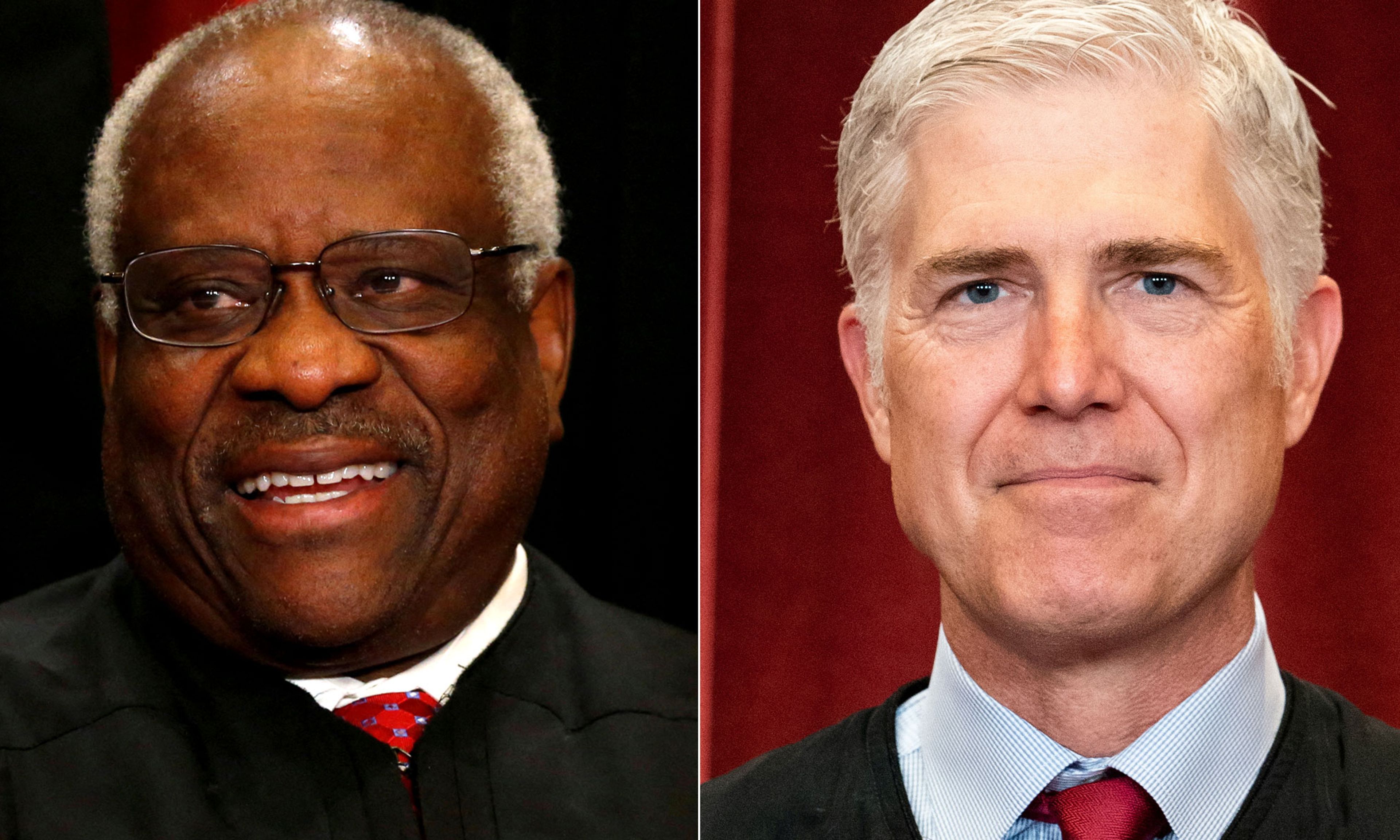
The Supreme Court decided an easy case this morning — a case so easy that only Justice Sonia Sotomayor could get it wrong. Nevertheless, it still had Justices Clarence Thomas and Neil Gorsuch in the mood to raise long-standing questions about race and American citizenship.
The question in United States v. Vaello Madero was whether Congress is permitted to exclude residents of Puerto Rico from the Supplemental Security Income (SSI) program and other federal benefits programs — just as it exempts Puerto Ricans from most federal taxes. Justice Brett Kavanaugh’s majority opinion easily concluded, in a brisk six-page 8–1 decision joined by every justice but Sotomayor, that long-standing law allowed Congress to treat Puerto Rico and other territories differently:





Comments