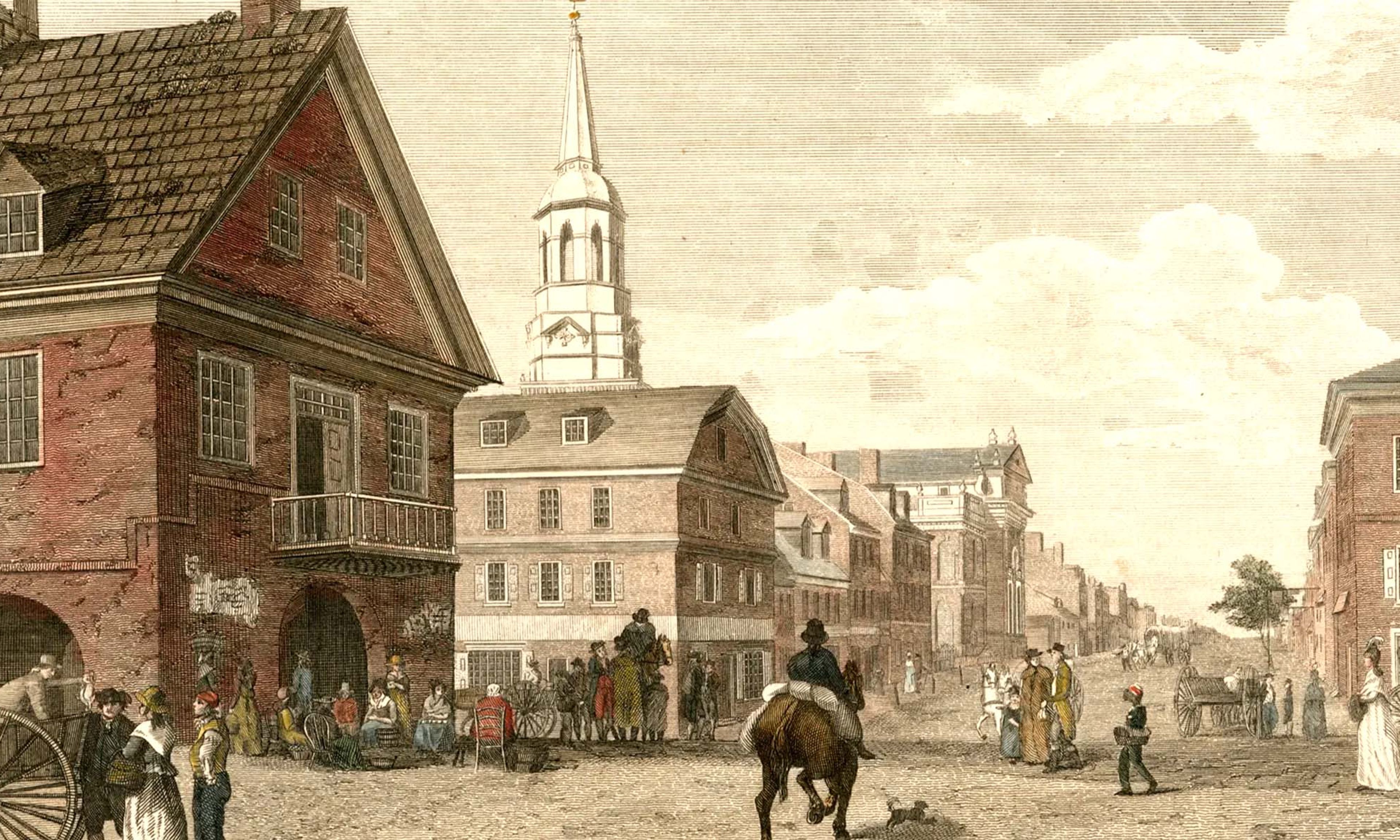
The narrative of humanity is a tale of progress. For the bulk of human history, people survived as nomadic hunter-gatherers. The innovation of agriculture gave rise to permanent settlements and the birth of cities. Humanity’s main pursuit was transformed from one of mere survival to the establishment of civilization.
Chelsea Follett’s new book, Centers of Progress: 40 Cities That Changed the World, published by the Cato Institute, tells the tale of human progress through the advancements of cities, from the dawn of agriculture to marvels of spaceflight and digitalization. Fittingly, Follett’s chronicle begins in Jericho, founded by the Natufian peoples around 9000 b.c. and widely considered to be humanity’s first city. It culminates in San Francisco, the heart of the digital revolution. But as Follett makes clear, “San Francisco is this book’s last center of progress, but not humanity’s.”




Comments