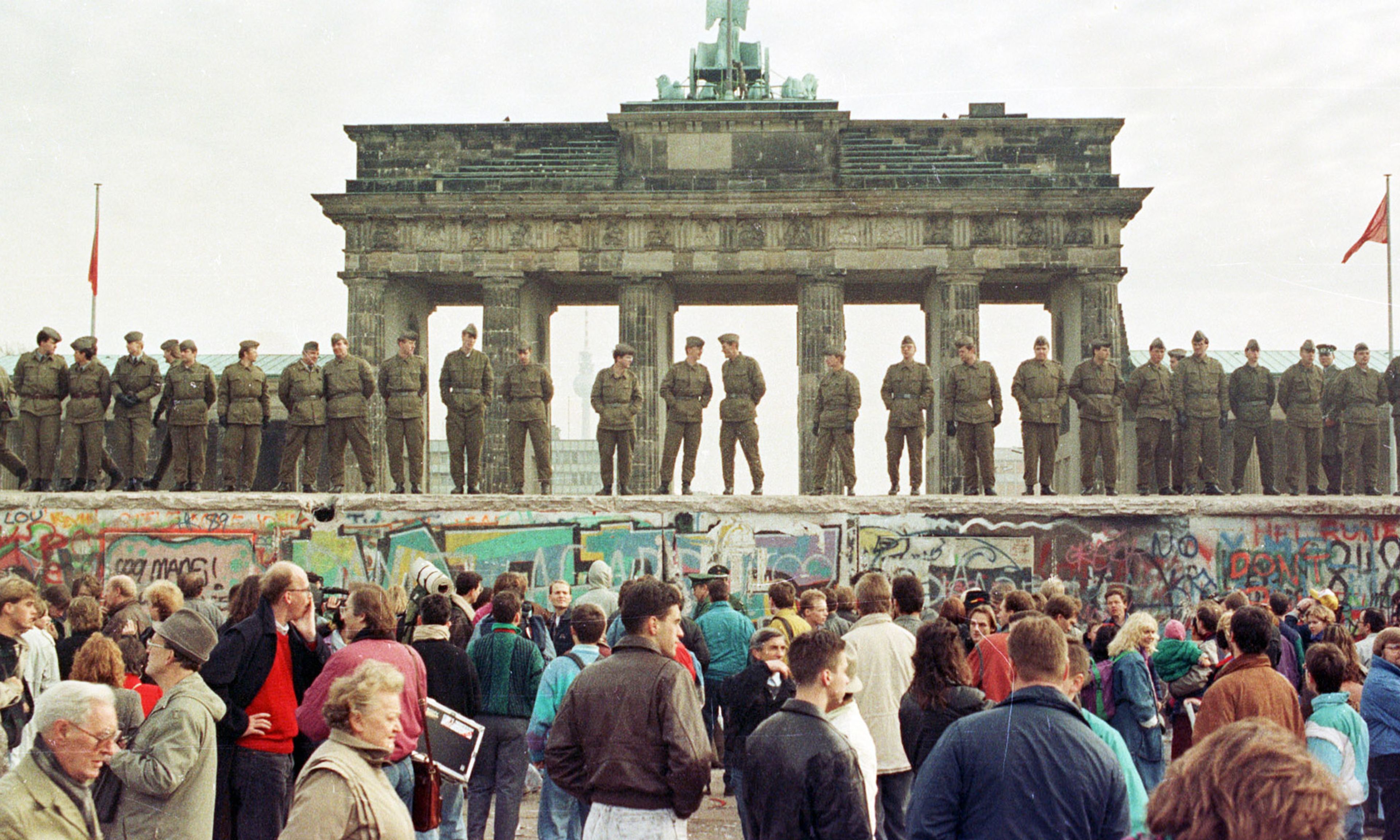
The Twilight Struggle: What the Cold War Teaches Us about Great-Power Rivalry Today, by Hal Brands (Yale University Press. 328 pages, $32.50)
Today’s sundry commentaries on great-power competition usually skirt comparisons to the Cold War or dismiss them outright. During a talk I attended at the University of Texas at Austin, one speaker slammed national-security practitioners who would replay our last superpower struggle in calling for cooperation with Beijing. “China isn’t the Soviet Union,” diplomatic historian Melvyn P. Leffler has written. Many see our contemporary great-power rivalry as unique unto itself.





Comments