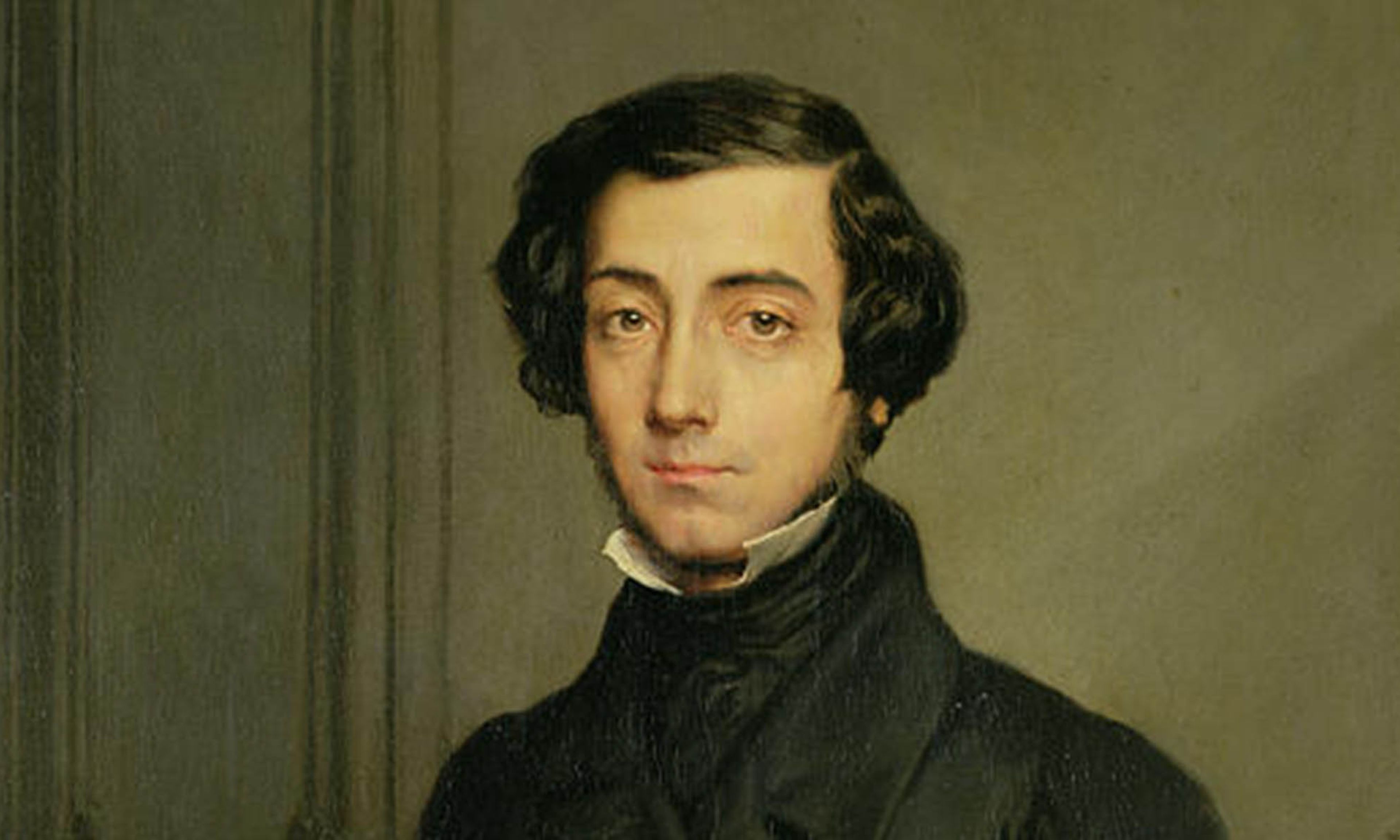
How dire is the state of American politics today? How inadequate to the moment is our political class? For some perspective, it is worth revisiting that greatest of all French thinkers, Alexis de Tocqueville (1805–1859) — specifically, his writings not on America but on France. His writing still feels fresh and relevant today not only because he dealt with questions still contested, but also because he asked constantly how men govern themselves in reality, not just in theory — and how they preserve or lose their self-government.
Tocqueville is best known as the French traveler who chronicled American democracy in the early 1830s. Most of Democracy in America was written, and its first volume published, before Tocqueville turned 30. It marked him as a shrewd observer of humanity and a profound political philosopher who offered an unsentimental assessment of democracy’s strengths and weaknesses. While the two-volume study reflects a particular moment in Jacksonian America, it is justly an enduring classic.





Comments