Ten years ago this month, a troubled teenage boy stepped in front of a moving truck on a highway north of Cincinnati, ending his life. It emerged only after his death that Joshua Alcorn had come to believe he was a girl and wanted his death to be taken as a sign that he had been insufficiently affirmed in his supposed identity.
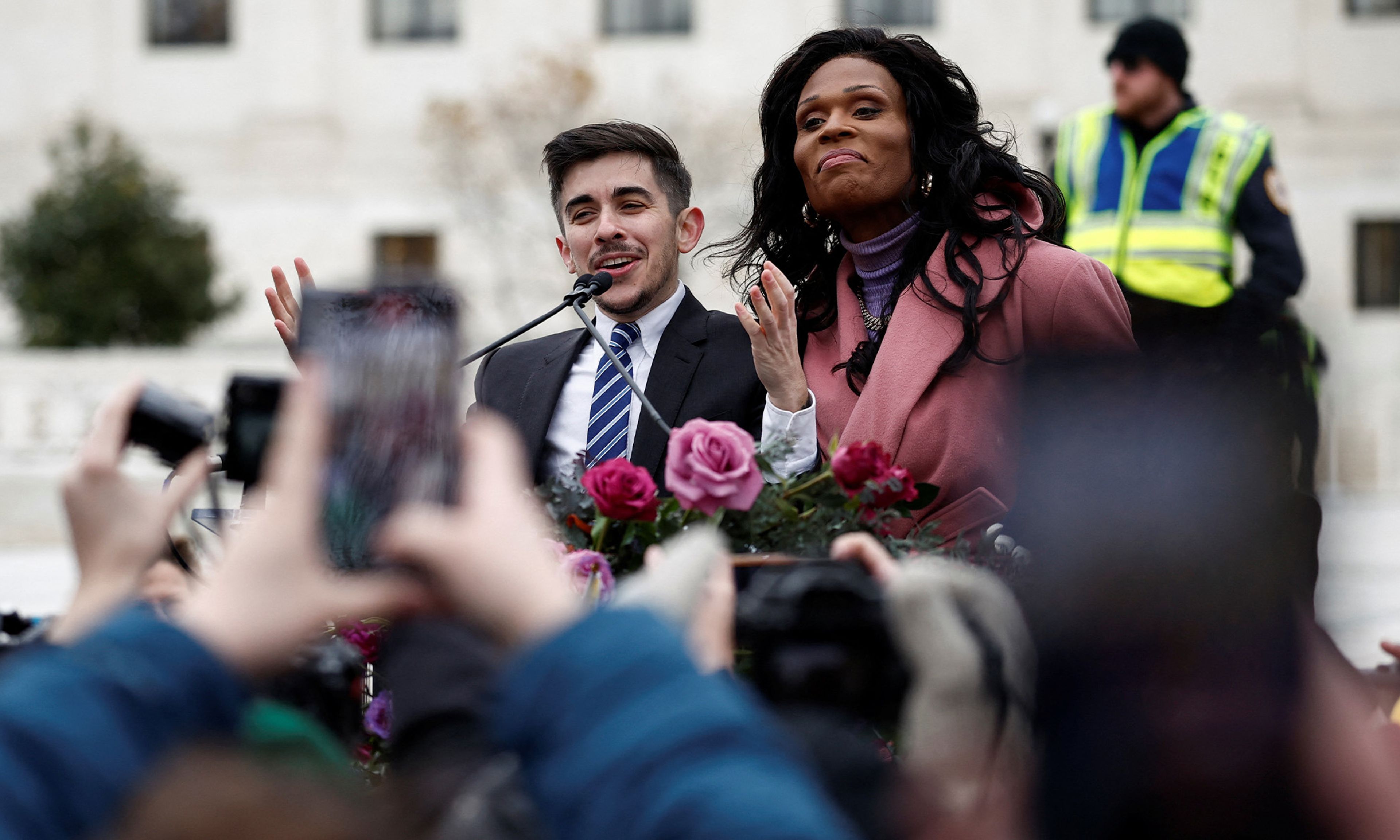
I thought of the Alcorn story earlier this month, when ACLU attorney Chase Strangio (a woman who identifies as a man) participated in oral arguments in United States v. Skrmetti, a Supreme Court case concerning the constitutionality of a Tennessee law restricting the use of puberty blockers and hormones by minors. Strangio did not mention Alcorn. But she invoked the specter of suicide in a way common for transgender activists over the past decade. In doing so, she helped demonstrate how those activists have achieved so much during that time. But she also exposed fundamental moral defects in their approach, defects that may doom it.



Comments