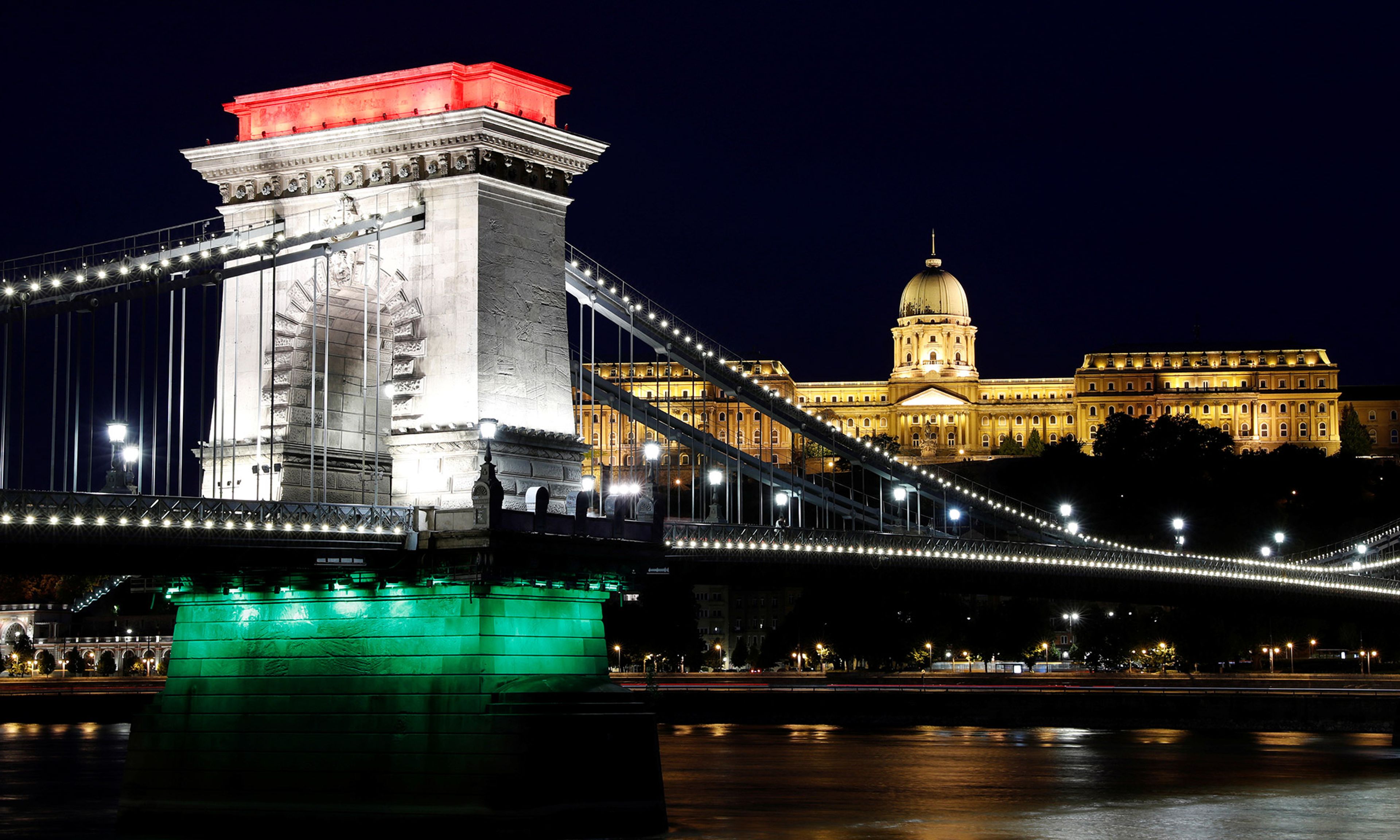
American bumper stickers are typically vulgar, self-aggrandizing, or partisan, but in Hungary, even the decals are tinged with history. Many cars proudly display the national coat of arms over a picture of Nagy Magyarország, or “Greater Hungary,” a map of the country’s expansive pre–World War I borders. The memory of these lost territories still stings. More than a few Hungarians speak of the Treaty of Trianon, the 1920 settlement that dictated their post-war borders, the same way Southerners once described their own Lost Cause.
As so often happens with history, the Western European side of the story gets most of the attention. The Paris Peace Conference is remembered as a diplomatic blind alley that, depending on your view, either thwarted reconciliation or failed to restrain future German ambitions. The peace settlement in Western Europe proved short-lived, a temporary cease-fire that crumbled under the weight of revisionism. But Trianon has had a much longer half-life. We should remember, as we mark its 100-year anniversary in June, that the treaty and its aftermath are among the war’s most important legacies.




Comments