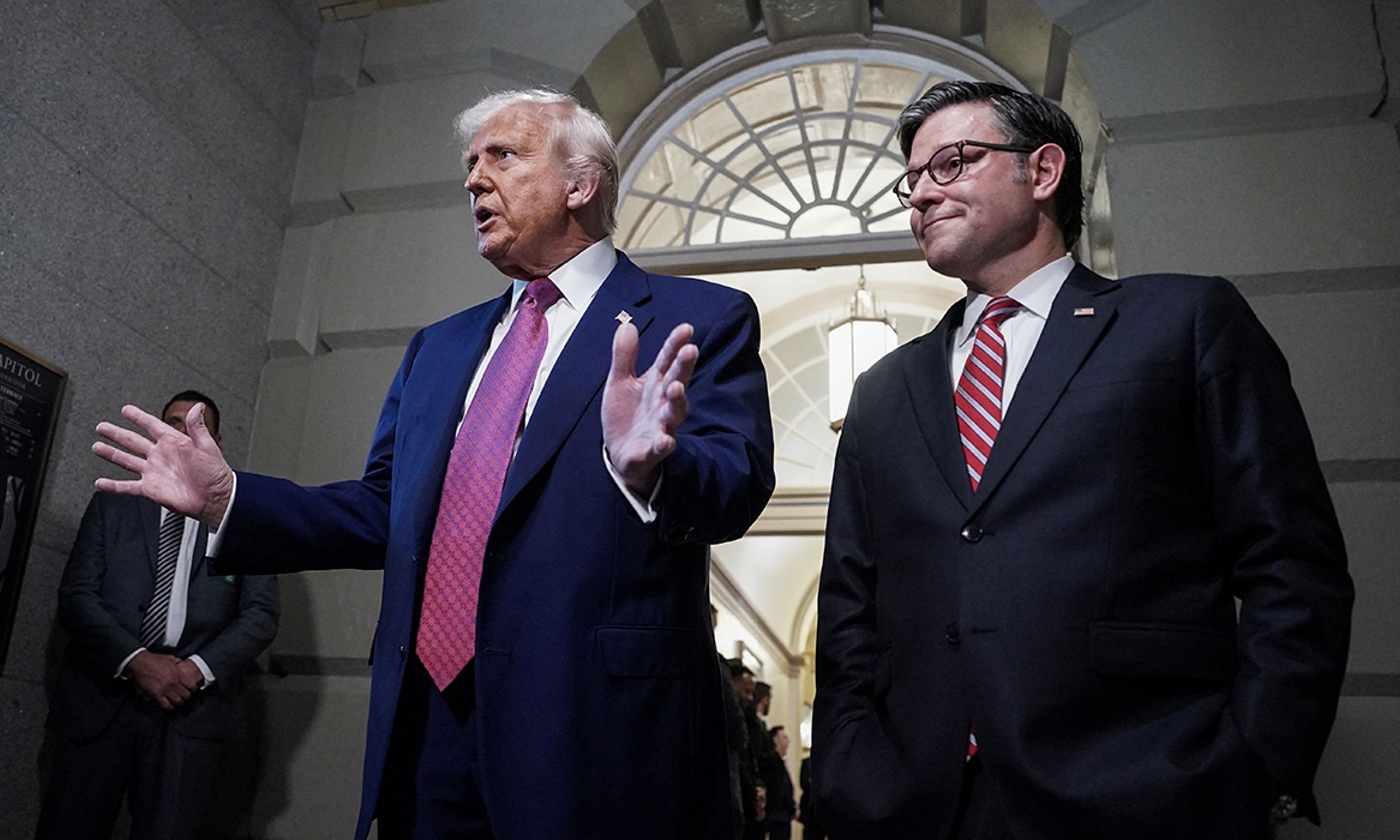
There are a great many lessons to be drawn from the steep descent of Republicans from the heights of 2024 to the collapse of 2026. But surely a big one is this: The party in Congress paid the price for ’s contempt for the party in Congress.
It wasn’t always this way. Look at Trump’s first term. Sure, he didn’t always take the advice he was given from the Hill. His effort to repeal Obamacare was a halfway compromise between what he wanted and what Republicans wanted, and it failed. But he was much more open then to treating Republicans in the House and Senate as partners. The had Trump input and features, but it was largely conventional Republican tax policy, mostly written by Paul Ryan from prior Republican proposals. On the Senate side, and committee chairs such as Chuck Grassley and Lindsey Graham had a lot of input on judicial nominations. Trump sent executive branch nominees to the Hill with an eye to who would get confirmed. He grumbled but accepted reality when McConnell and his caucus wouldn’t budge on abolishing the filibuster. For all of Trump’s instincts to demand personal loyalty, Republican senators kept a sufficiently distinct brand from his that a number of them survived tough races in 2020 when Trump was going down to defeat.



Comments