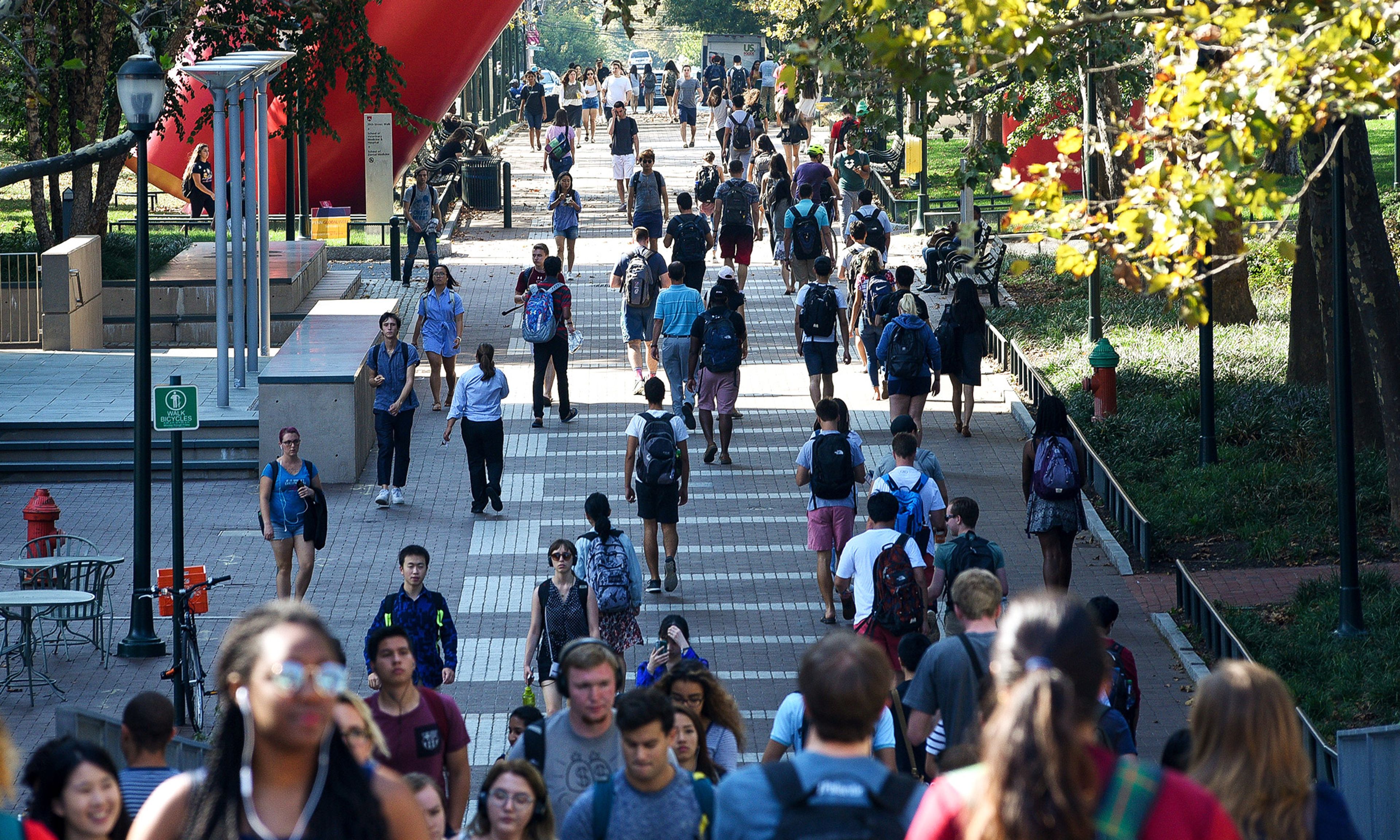
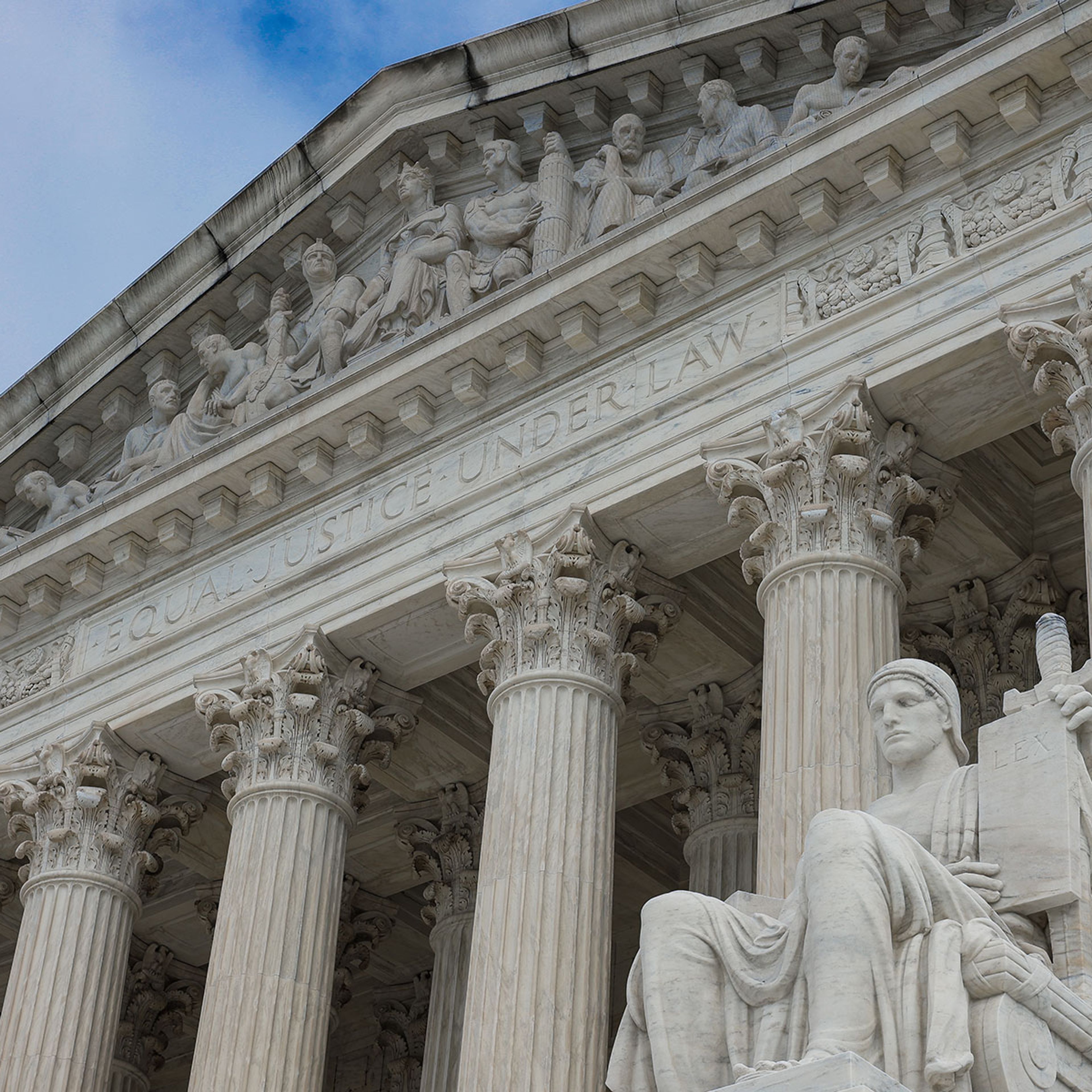
President Trump’s new policy requiring federally funded universities to disclose more admissions data is an essential step in the ongoing fight against unlawful racial discrimination. After the Supreme Court issued its decision in Students for Fair Admissions (SFFA) v. Harvard, holding that race-based admissions policies violate the 14th Amendment and the Civil Rights Act of 1964, universities instantly sought ways to dodge the ruling.
Despite the clear directive from Chief Justice Roberts that universities cannot simply continue race-based admission policies through application essays and other workarounds, left-wing faculty recommended exactly that to evade SFFA. Professors Peter N. Salib and Guha Krishnamurthi argued in the Texas Law Review that universities can rely on “multifactorial, discretionary, and ultimately obscure criteria” to maintain affirmative action covertly. Schools can still select based on race, they said, so long as they “cover their tracks.” Professor Ediberto Roman likewise claimed that there are “loopholes” schools can exploit to continue race-based admissions.


Comments