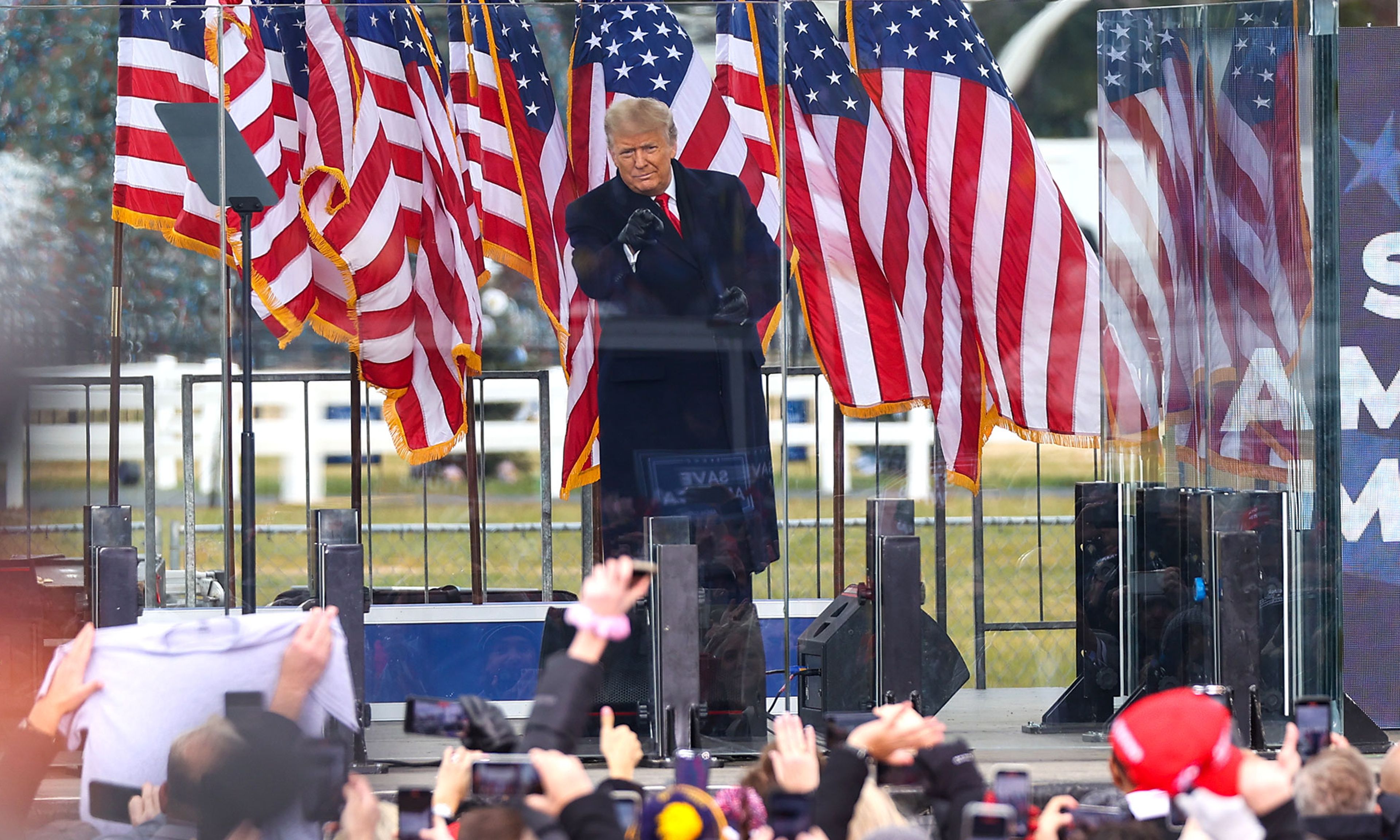
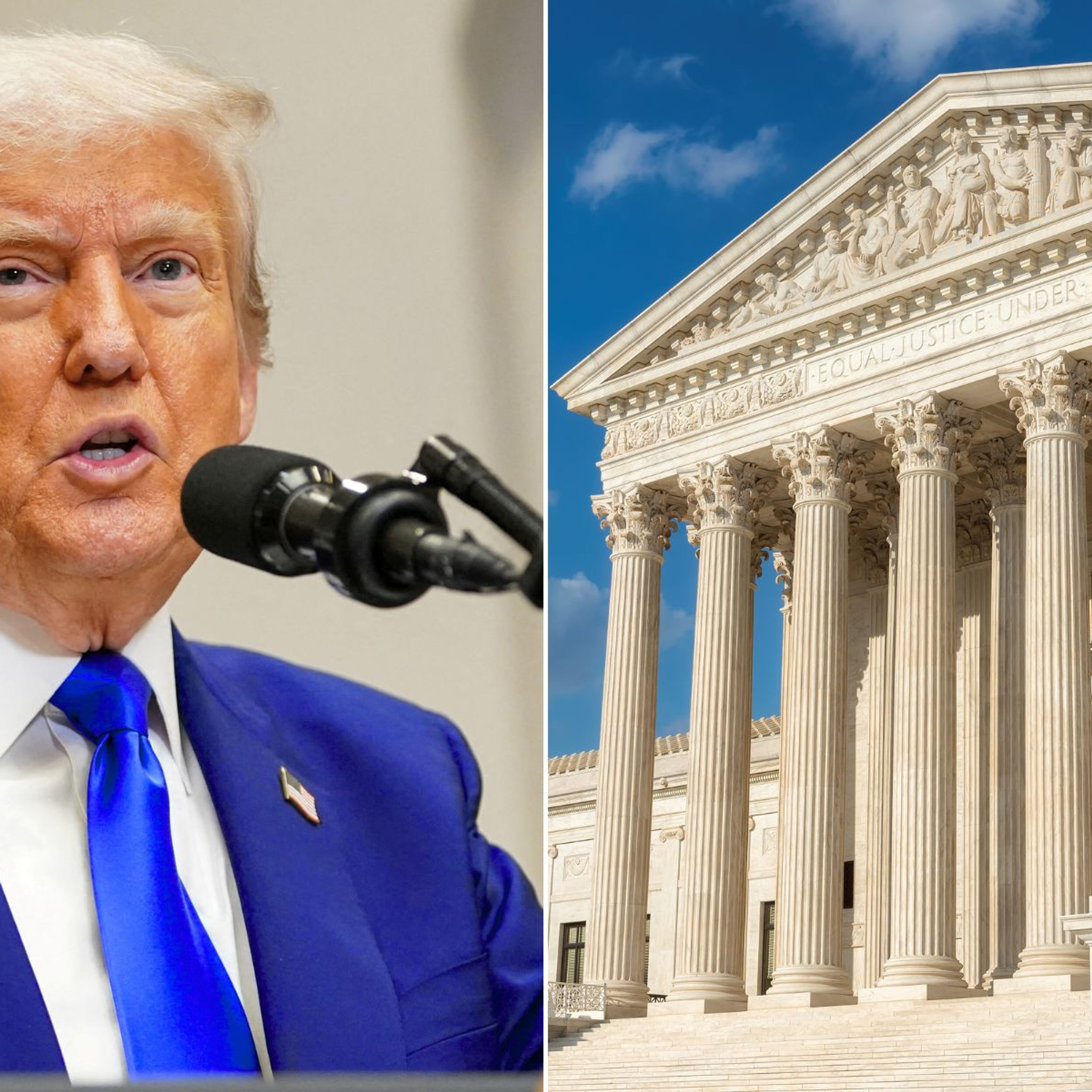
This week, the Supreme Court will hear arguments in Trump v. Anderson, an appeal from the Colorado supreme court’s decision disqualifying former president Donald Trump from appearing on that state’s Republican presidential-primary ballot. Colorado’s highest court held that Trump is disqualified from becoming president because he “engaged in insurrection” on January 6, 2021. Under the terms of the 14th Amendment, anyone who served “as an officer of the United States” and then subsequently engaged in insurrection is barred from holding “any office, civil or military, under the United States.” The court held that Trump meets these criteria and therefore should not appear on the ballot for an office he cannot hold.
Most of the attention in this case has understandably focused on the novel 14th Amendment questions at stake. Did Trump engage in insurrection by plotting to overturn the 2020 election or by riling up a mob on January 6 and then abetting their destruction? Is the president “an officer of the United States,” and is the presidency an office “under the United States”?


Comments