Two Legacies of Dolores Huerta

The farmworker icon’s history raises uncomfortable questions about what happens when protecting a movement becomes more important than protecting its members.

Share this story

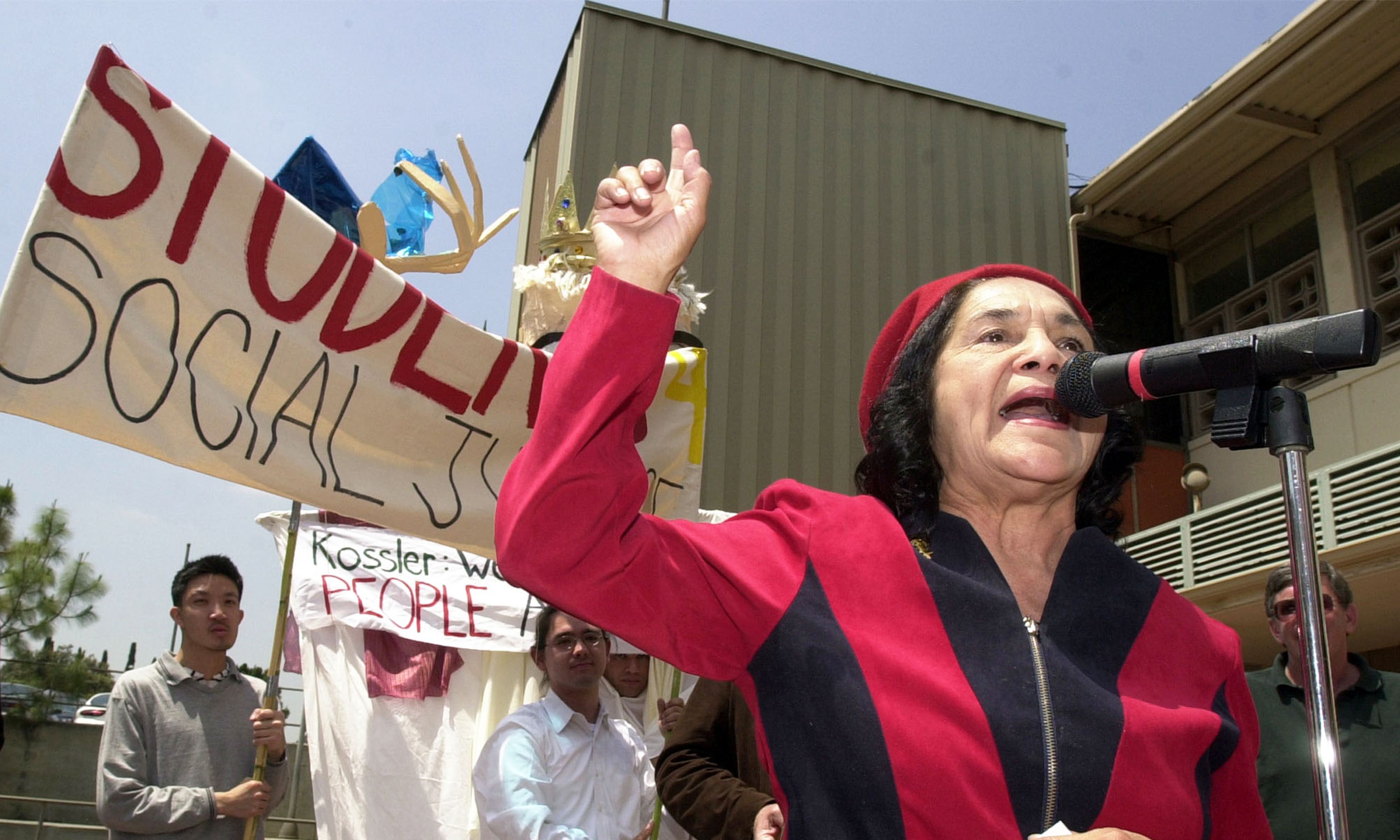
Dolores Huerta rallies students and teachers seeking a pay raise at Pasadena City College in Pasadena, Calif., May 2, 2002.

Keith Birmingham/MediaNews Group/Pasadena Star-News via Getty Images

Dolores Huerta, who died Wednesday at 96, spent most of her life demanding that the powerful listen to the powerless. Yet within the farmworkers movement that she helped create, dissent was often treated as treason, loyalty to leadership outweighed loyalty to workers, and the interests of the union prevailed over the rights of its own members.

Her death comes seven months after devastating revelations about her more famous colleague, — and Huerta’s own assertion that Chavez had sexually abused her. She kept that story secret for six decades, she said, in order to protect their movement.

Will Swaim

About the Author

Will Swaim

Will Swaim is the CEO of the California Policy Center and, with David L. Bahnsen, a co-host of National Review’s Radio Free California podcast.

Comments

Advertisement

Advertisement