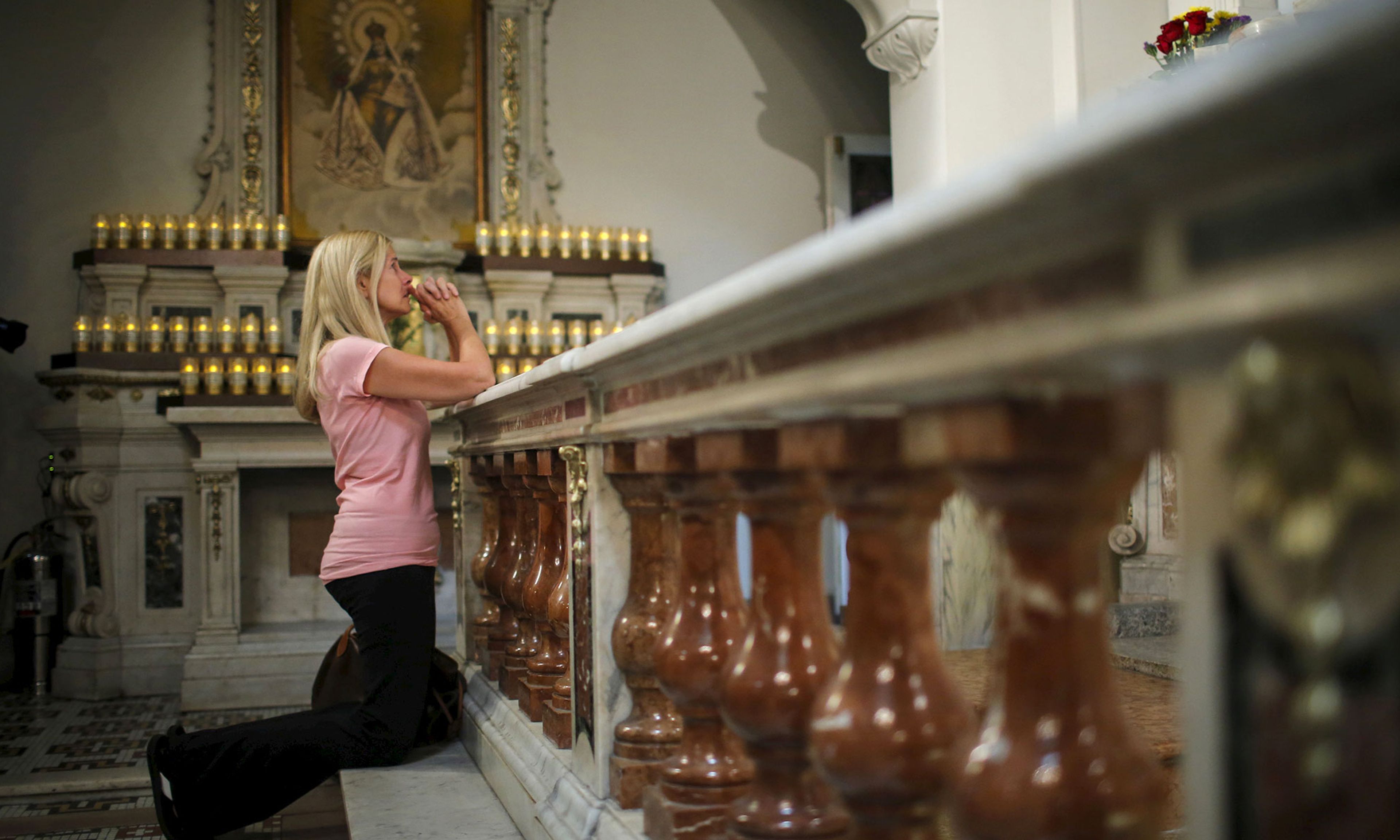
In addition to the difficult conversations, doubts, and demons that converts to Catholicism have always had to surmount to come to the faith, today many also face questions about their sincerity. The narrative, in non-Catholic and Catholic circles alike, tends to assume that most young converts — especially those with a conservative inclination — are principally reactionaries, motivated more by the Church’s medieval trappings than its practical teachings, not to mention the fruit of its sacraments. In other words, as Steve Larkin writes, young converts are mostly in it for the “vibe.” No one, it seems, believes that young people today could actually have an authentic conversion to Catholicism.
Naturally, the suspicion about new converts is not entirely unfounded. Much like the “Dimes Square” crowd in New York that Julia Yost, a senior editor at First Things, highlighted in a recent article for the Times, Washington, D.C. — where I was confirmed on Easter — hosts its own crew of eccentric Gen Z Catholics who harbor “integralist” and “post-liberal” sympathies and are drawn to the Church because of its countercultural appeal. The same is likely true of other big, progressive, coastal cities.



Comments