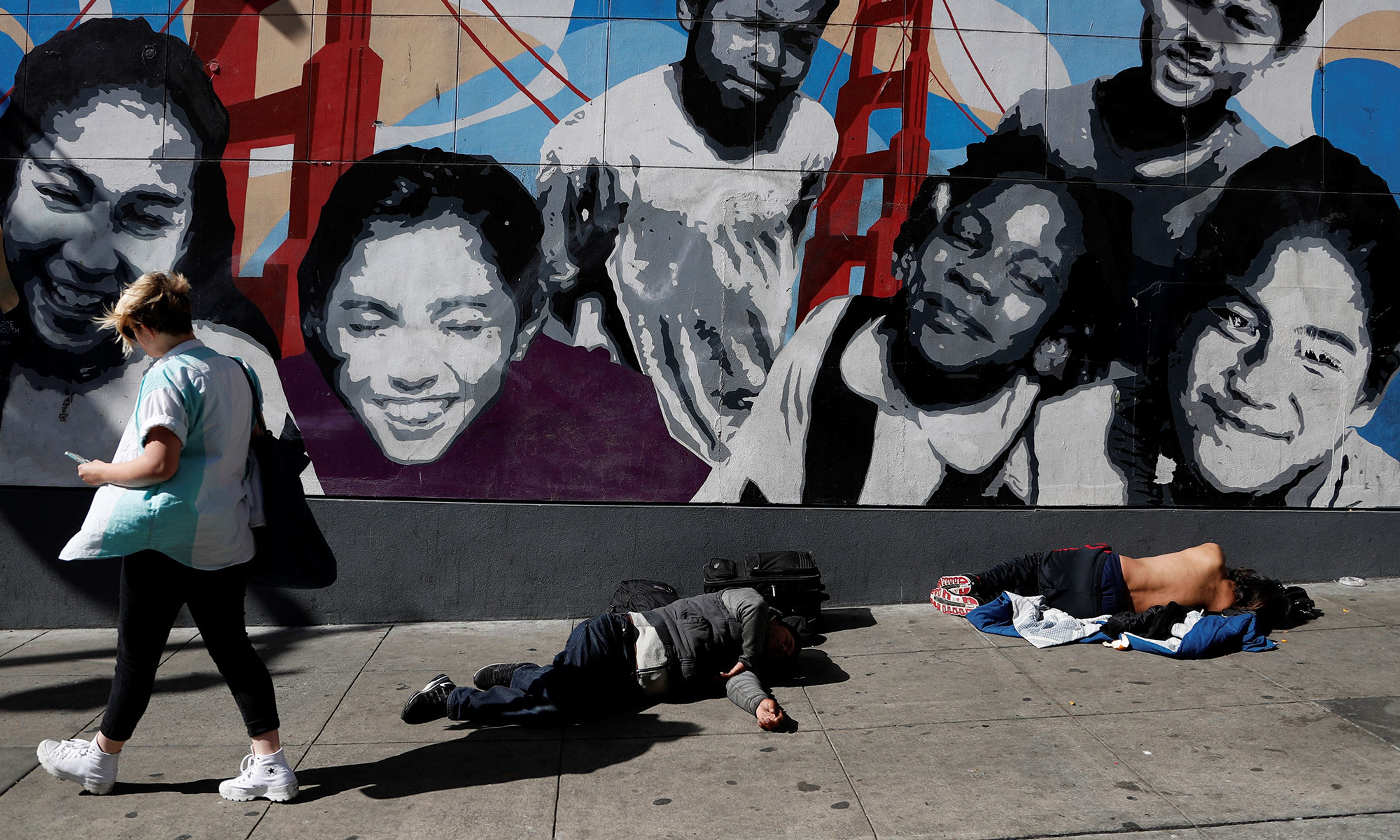
The coronavirus and the unrest following George Floyd’s death are shining an uncomfortable light on America’s cities. Many commentators have focused on whether or not the twin crises will mark a shift away from cities as people recoil from the virus and the violence, but the most important phenomenon we’ve seen revealed is something else: the culpability of city leaders for their current predicament. Outmigration won’t ruin cities, but they might well ruin themselves.
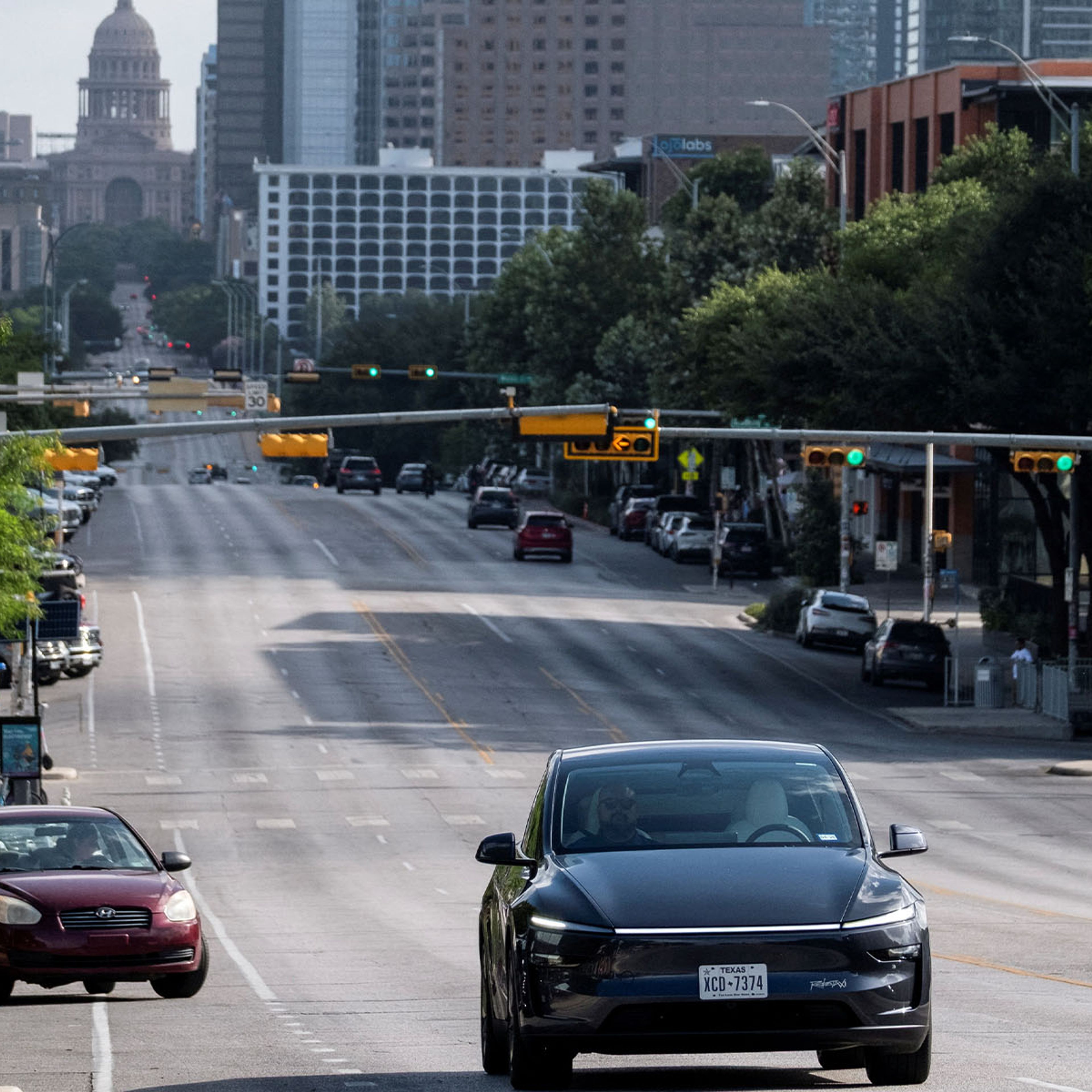
Despite predictions of their demise, cities will continue their outsized role in American life when things return to some semblance of normality. The forces that drive people into metro areas — culture, education, high-paying jobs — will still be at work after the pandemic ends. The fastest-growing companies in America are located in vibrant cities. The share of patents filed in large cities has been increasing for the past few decades. Income potential is expanding more in the biggest and fastest-growing cities than in the rest of the country. These trends will continue, especially as cities improve their ability to mitigate the virus while awaiting a vaccine.


Comments