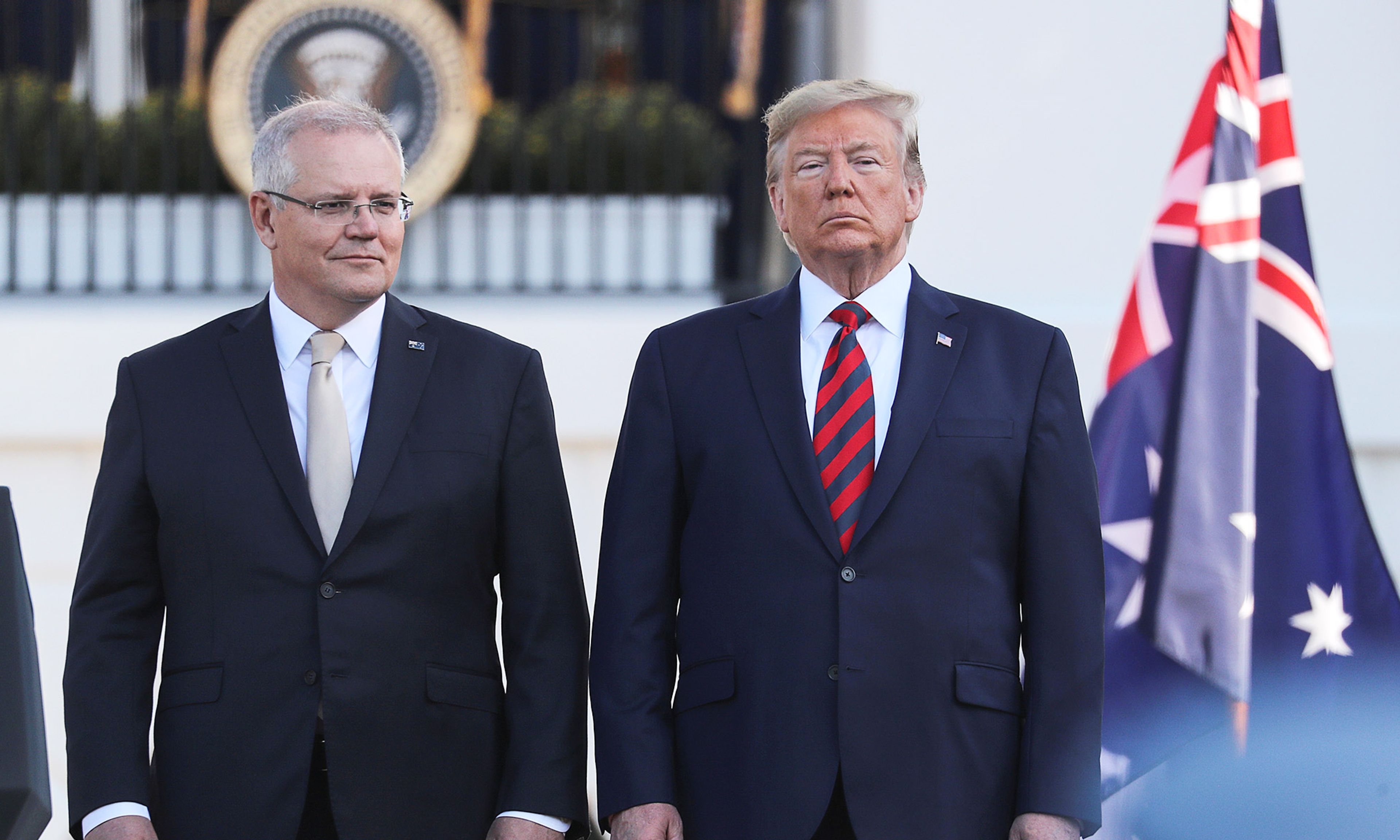
The mega-trend in U.S. foreign policy in the past decade is the consensus view that the post–Cold War continuation of the Nixon/Kissinger policy of engagement with and accommodation of the People’s Republic of China has failed. Successive presidents of both parties extended the policy in the hope that the U.S. could help China as it lurched forward from the Maoist revolutionary era to a modern, engaged, liberal market economy. The Cold War policy had endured despite the growing awareness across the U.S. political spectrum of the PRC’s role in the first rank of global human-rights abusers, its increasing appetite for regional military confrontation, its bullying of democracies across Asia and the Indo-Pacific, and its abuse of the privileges afforded it through membership in global forums such as the United Nations, the World Trade Organization, the World Health Organization, and others.
During this accommodationist era, many U.S. policymakers largely ignored or downplayed China’s boorish and abusive behavior because of perceived economic opportunities its market offered and the hope that economic engagement would lead to political reforms.



Comments