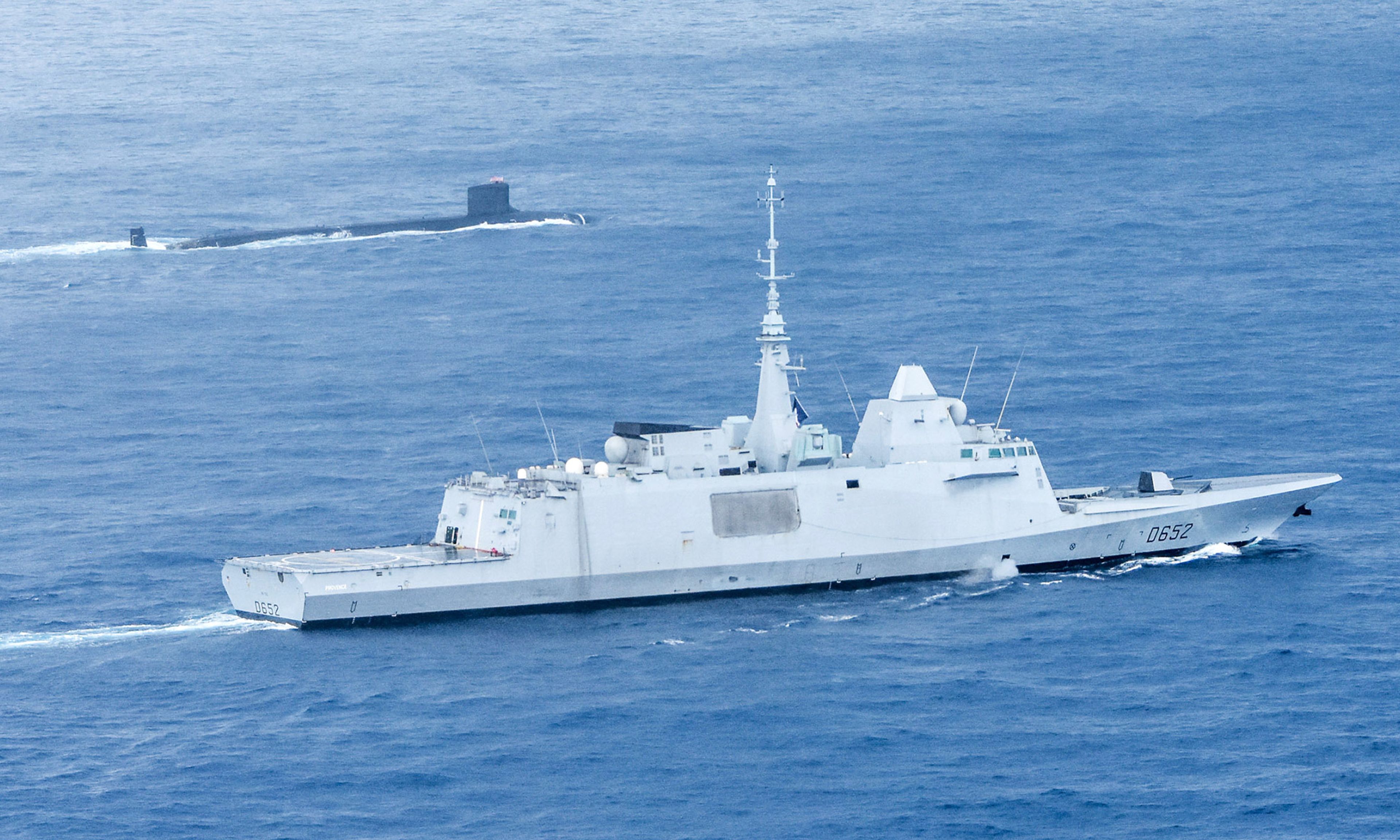
The U.S. Navy’s decision last week on a new frigate design for domestic production undercuts the argument that the United States is withdrawing from the world. On Thursday evening, the Department of Defense (DoD) announced that it had awarded a contract to Marinette Marine Corporation of Wisconsin to build up to ten new guided-missile frigates for the Navy. Marinette Marine is a subsidiary of Fincantieri Marine Group, which is in turn a subsidiary of the Italian firm, Fincantieri. The winning design, which was required by the U.S. Navy to be mature and proven to minimize both risks and costs, was the FREMM (Fregata Europea Multi-Missione), a ship currently in use by four navies. Construction of the first ship of the new design at the Wisconsin yard is set to begin next year. That ship will enter the fleet in the mid 2020s.
The selection of the FREMM design suggests that the U.S. government intends to remain engaged in the world. First, by selecting a design of foreign origin, DoD has reversed a “not invented here” arrogance, which has been reflected in an eagerness to export high-tech and highly expensive weapons such as the F-35 stealth fighter to allies and partner nations while being reluctant to purchase major platforms from them. Selecting the FREMM should actually make it easier for other U.S. manufacturers to sell their systems abroad. Additionally, by selecting Fincantieri, one of the largest shipbuilders in the world (with shipyards in seven countries), as the builder, the Navy will have the opportunity to benefit from an innovative design. U.S. shipbuilders will get the opportunity to learn design and construction “best practices” from Europe’s leading shipyards. The rising tide of naval architectural knowledge will lift all industrial boats.



Comments