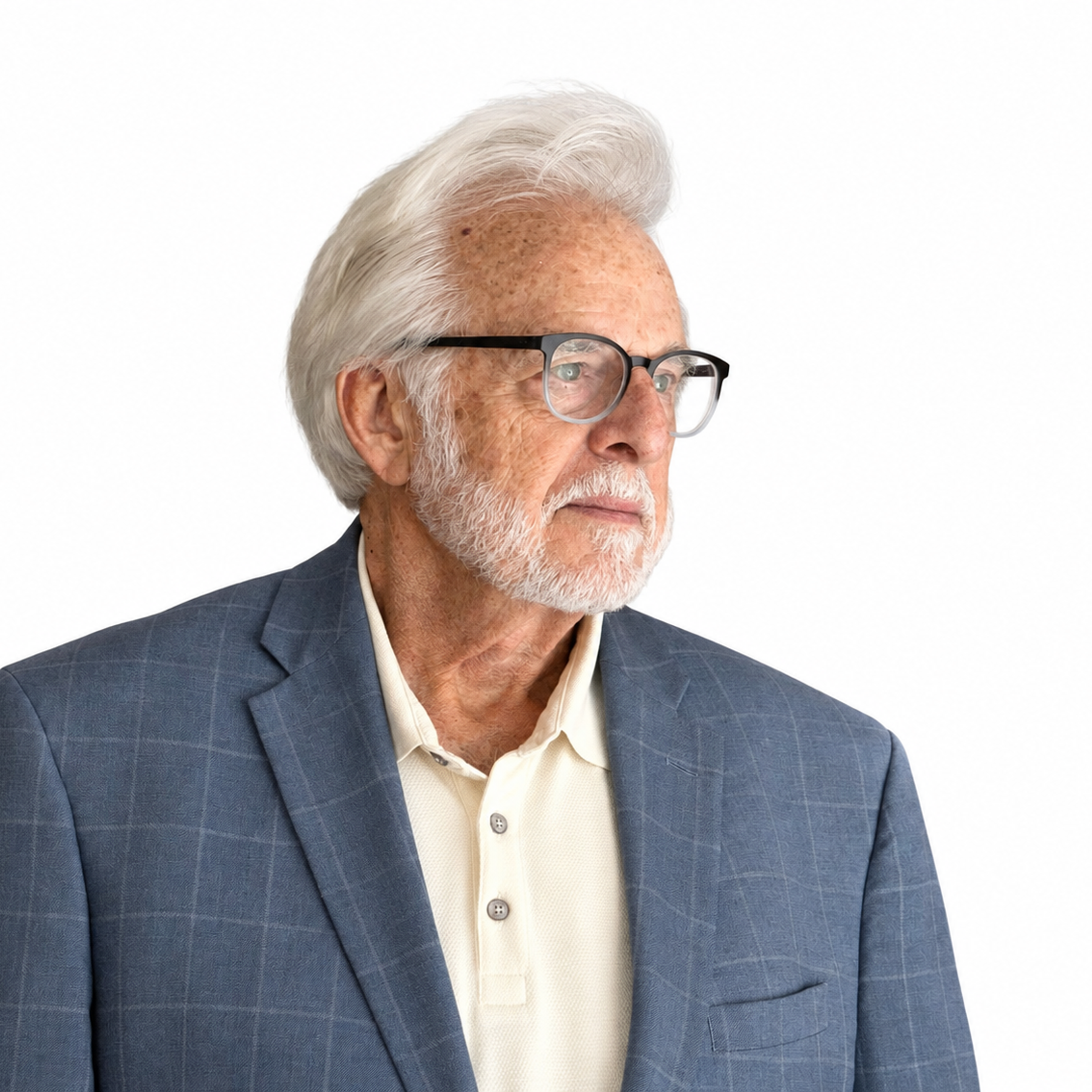
John Harris is an influential UK bioethicist whose hard core utilitarianism makes his ideas dangerous and potentially as tyrannical as those of Peter Singer–perhaps more. I first became aware of Harris when researching Culture of Death: The Assault on Medical Ethics in America, when I read an article he wrote in the Kennedy Institute of Ethics Journal called “The Concept of the Person and the Value of Life,” in which he wrote: Many, if not most of the problems of health care ethics presuppose that we have a view about what sorts of beings have something we might think of as ultimate moral value. Or, if this sounds to apocalyptic then we certainly need to identify the sorts of individuals who have “the highest” moral value or importance…Harris’s point was that human nonpersons can be killed and we can get a good night’s sleep. But imagine if he had said we need to identify the race that has the highest moral value and that another race could be killed. He would be rightly labeled a bigot. This is the same thing, just different victims.
As we all know by now, such invidious discrimination against the weak and vulnerable is accepted widely in the Establishment–and even in the media despite their bleating about liberalism and human equality. These attitudes–which are being inculcated into our doctors of tomorrow, our nurses of tomorrow, our government leaders of tomorrow in the elite universities–mark an unapologetic return of eugenics. Indeed, Harris has explicitly supported eugenics, for example, in a BBC report about the pressure on families to eugenically abort:”
“Eugenics is the attempt to create fine healthy children and that’s everyone’s ambition.” He believes couples who choose to have babies even when there are problems are “misguided” and the more we can screen out disability, pain and suffering the better. “We’re not trying to do this through killing people or eliminating individuals, we’re trying to do this by making choices about which people will exist in the future.”
Except those “choices” involve killing people whilst non persons. Indeed, eugenic infanticide or “post birth abortion” as it has been called, is now a regular practice in the Netherlands.
Today, the Times of London has a Harris piece in support of transhumanism (although he doesn’t use the term), toward which these eugenic agendas point. He writes:
Darwinian evolution has taken millions of years to create human beings; the next phase of evolution, a phase I call “enhancement evolution”, [me: really, intelligent design]could occur before the end of the century. The result may be the emergence of a new species that will initially live alongside us and eventually may entirely replace humankind… Some of these possibilities are so radical that the creatures benefiting from them would no longer be “human”, in the way we think of it. The end of humanity then is not in itself a concern [me:!!!]; making sure that those who replace us are better than we are is a huge and timely concern.
To get there, of course, will require an “anything goes” biotechnological research agenda, including cloning, genetic engineering, and as utilitarian bioethicists have written elsewhere (and I have covered here at SHS), treating human non persons as crops and prize herds in organ procurement and experimentation. It will also include the investment of tremendous sums–this at a time when children with malaria die in Africa and we are banned from using DDT to kill the disease-carrying mosquitoes.
Here we find the other end of the new eugenics, the drive to create the superman that is fueled by eliminating and exploiting the weakest and most vulnerable among us. And, due to the expense, it would be reserved for those with money to burn. Oh, Harris throws a bromide that society should help the deserving poor enhance, but make no mistake about it, in a world in which utilitarian ethics dominate, it would be open season on those deemed to be a drag on society due to their “poor” quality of life. And we can kiss universal human rights goodbye.





Comments