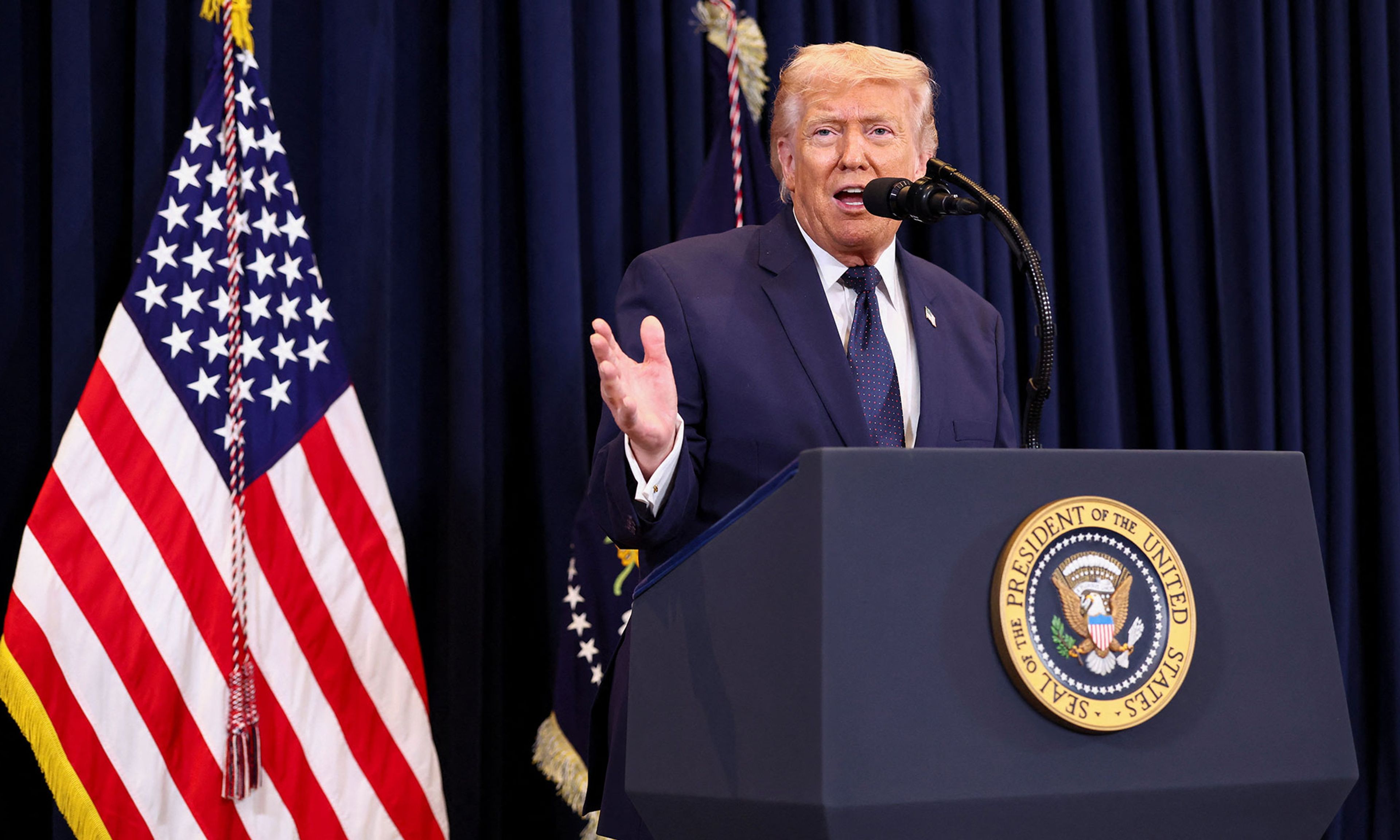
A little over three weeks into the war against Iran, we still don’t know what victory looks like. That’s a problem, because victories need to be clearly visible to the ordinary citizen. That’s important not only to Republicans’ political popularity but as a matter of the democratic legitimacy of our foreign policy. That concern is heightened when wars are waged entirely on the basis of an executive decision without Congress.
I’m not that concerned that the war is taking weeks rather than days or hours, or that it is hard to tell from open sources exactly what we’ve accomplished yet. Sure, it’s frustrating in an era of instant gratification that we don’t yet have a resolution wrapped up neatly in a bow. But what matters, ultimately, is not how things look day-to-day but where we wind up, how long it takes to get there, and what it costs us along the way. Progress reports can be deceiving, especially in wars that don’t involve a clear territorial front that we can see advancing across a map. We’ve had predictions of doom and quagmire before in wars that went fairly swiftly. We’ve had dark hours in the early months of big wars such as the Civil War and the Second World War. And then there have been wars such as Afghanistan, where we were winning by any measure at every point for 20 years, and yet still lost because we hadn’t committed to victory conditions that we could make stick.





Comments