“Sometimes you depress me,” says a high-school-aged girl near the beginning of director David Cronenberg’s new film, A History of Violence. She is referring to her friend’s assessment of the possibilities for their future–bad jobs, love affairs, and alcoholism–equally depressing is Cronenberg’s grisly oeuvre, and History is no exception. A relational drama disguised as a chilly revenge flick, it is a disturbing yet deeply sympathetic look at both man’s capacity for violence and its moral cost.
From the Scanners and the The Fly to the Naked Lunch and the eXistenZ, Cronenberg’s films have often been referred to as “venereal horror”–marked by an odd mixture of spilled bowels and tender pathos. Here, his propensity for biological freak shows is kept to a minimum; but he once again examines the transformation of a protagonist from civilized being to something far more primal. Cronenberg’s steely, flat direction emphasizes normalcy, but repeatedly allows the interjection of disquieting violence to expose civil society’s inherent frailty.
The tone of subdued menace is evidenced by the casually shocking opening scene in which two drifters quietly murder a family in a small town hotel. It’s an act of galling brutality, yet what’s most appalling is the ennui with which it’s carried out. Cronenberg understands that true horror comes not from the outrageous, cartoonish violence prevalent in so many Hollywood action films, but from the intrusion of merciless evil into daily life. It’s terrifying because it’s so utterly mundane.
The film’s focus on the mundane continues as it shifts to another small town where diner owner Tom Stall (Viggo Mortensen) lives an idyllic Midwestern life. Married, with a teenage son and an elementary school daughter, Stall is compassionate and soft-spoken, a loving father and husband who knows all his customers by name. But when the drifters from the prologue arrive at his diner, he reacts with a startlingly efficient ferocity, killing them in a burst of breathtaking violence. As in the opening scene, Stall’s vigilantism is arresting because of the calm that surrounds it.
Cronenberg likes to strip things down to their essence, both physically and mentally, and while History avoids the overtly psychosexual man-to-beast metamorphosis of The Fly, it is still very much concerned with rooting out Stall’s baser instincts. Mortensen, to his credit, keeps those instincts an enigma without being too vague. He plays Stall with humble grace, but his gaunt, hollowed-out face always seems on the verge of exposing some mysterious sorrow. He’s both transparent and inscrutable.
It’s that mystery on which the film’s primary conflict pivots, as a gang of Mafia goons led by one-eyed creep Carl Fogerty (a smirking, reptilian Ed Harris) arrives in town, threatening Stall’s family while accusing him of mob roots. Mortensen’s delicately balanced performance never lets on as to whether Stall’s mournful reticence is a result of a murderous past or the strain of defending his family.
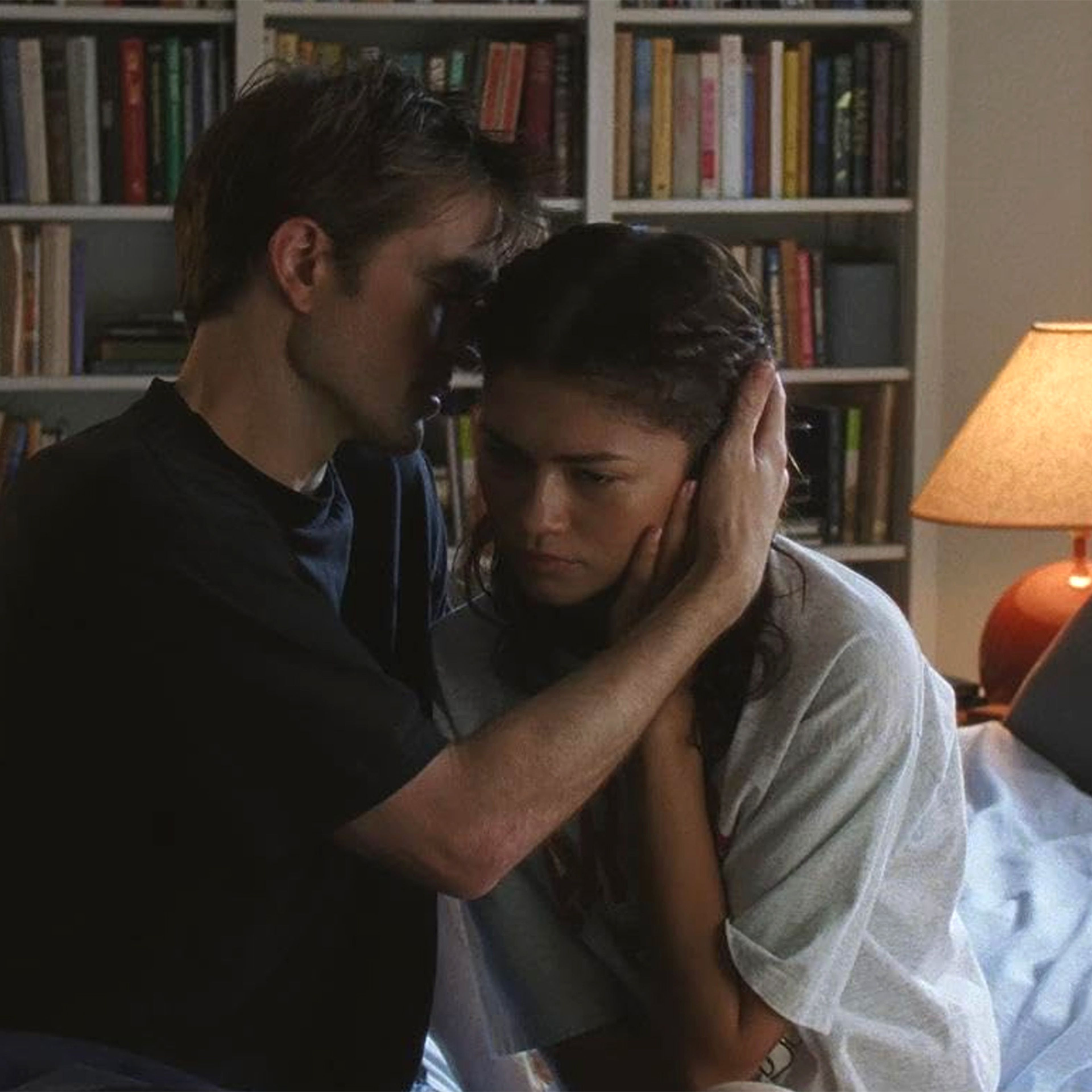
For all its gangster intrigue, History is primarily a delicate portrait of the effects of violence on family life. Stall’s son, initially a self-effacing, shy high schooler, erupts into acts of outrageous violence on his own, and Stall is placed in the difficult position of excusing his own behavior while chastising his son’s. His wife, at first shocked by her husband’s acts, must contend with her spouse’s newfound capacity for brutality; she finds it both exciting and fearsome.
In a way, History is a counterpoint to this year’s earlier film about marriage, deception, and violence, Mr. and Mrs. Smith. History is deadly serious in every way that Smith was deadly silly, but both hinge on the idea that marriages–the closest of all relationships–rely on honesty about one’s past. Discovering deceit in a marital relationship can lead to conflict–and in both films it does–but it’s only through the unveiling of one’s history that the relationship can grow.
The revelations afforded by that history can be difficult. In the case of Stall, they manifest themselves as a series of increasingly savage acts. Cronenberg’s approach to violence has always been one of both fascination and repulsion; for him, the destruction of the flesh is terrifying, but must nonetheless be examined in meticulous, unblinking detail. History’s ghoulish violence is not for the squeamish, but despite Cronenberg’s horror-film roots, it’s never played purely for exploitation. The violence, when it occurs, is kinetic and exciting, a swift flurry of gunshots and thudding fists, but it always finishes with images of the disfigured bodies left in its wake. Cronenberg is keenly aware of the thrill of violent action, but never lets viewers forget its destructive power.
– Peter Suderman is assistant editorial director at the Competitive Enterprise Institute.




Comments