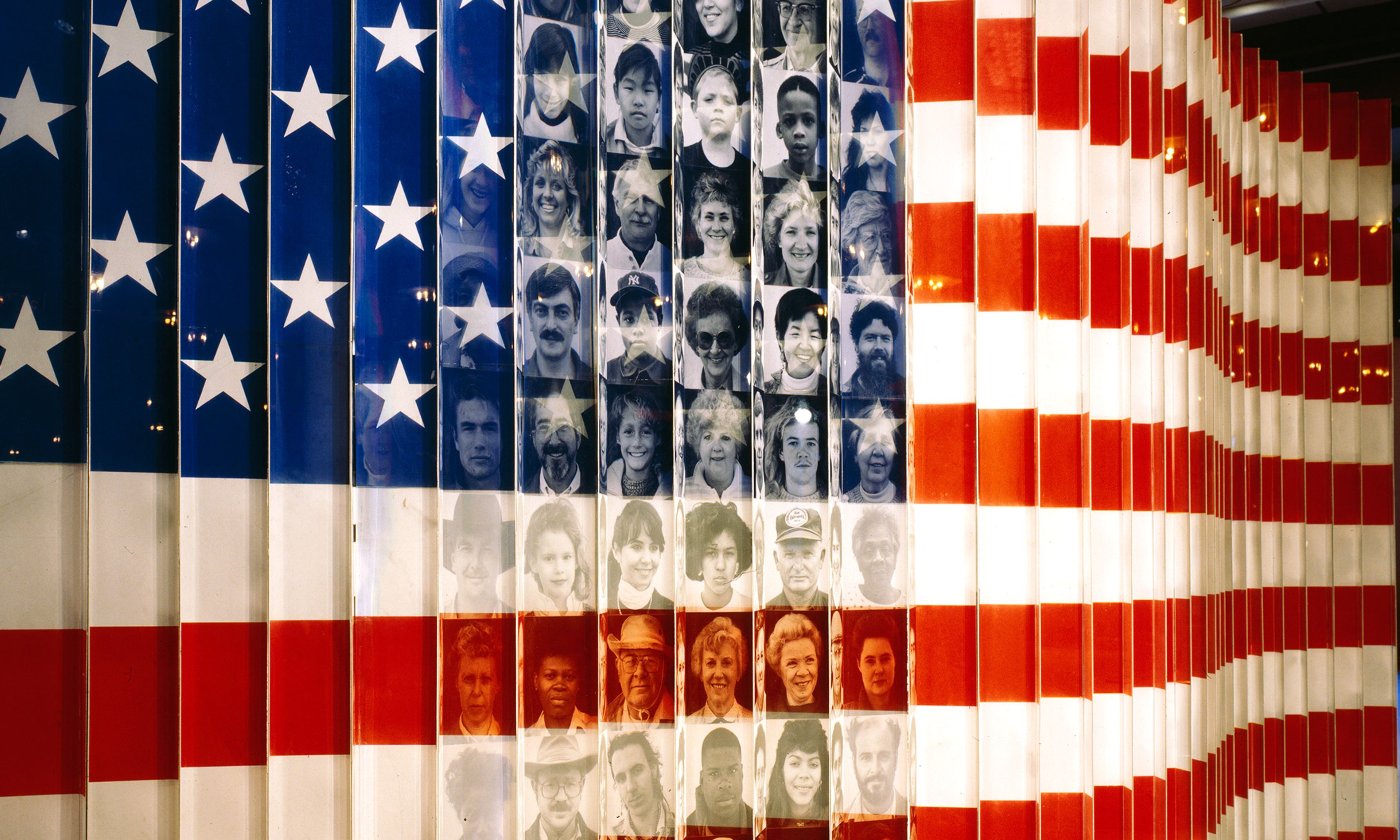
All men are created equal — but not everyone is identical. Human nature may be universal, but culture is particular and distinct, and it grows differently in different soil. Those twin facts raise one of the central dilemmas of a nation founded on classical liberal principles of equal individual rights: Can we seek to preserve and defend our own culture against demographic-driven changes without falling into the traps of treating people as groups or discriminating against individuals?
Our own culture, in this case, refers both to American culture at large and to the many and diverse local, regional, and community cultures within it. The most conspicuous flashpoint flares up when large or rapid demographic change comes to communities, whether those be local, state, or national communities. This can come from mass immigration, but it can also come from internal population movements or from generational shifts when different groups of people have different birth rates.




Comments