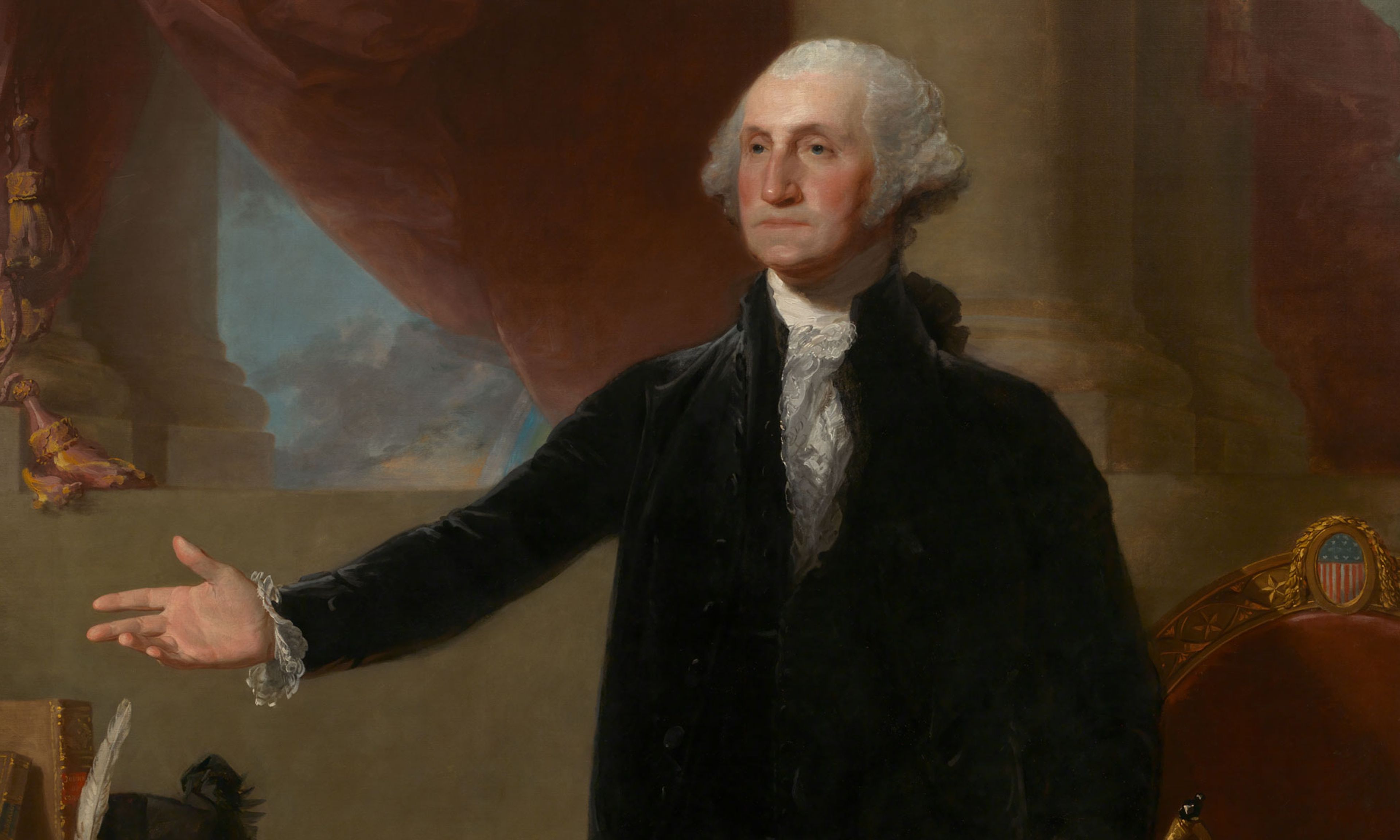
In August 1790, George Washington spoke one of the most consequential sentences in American civic history. Addressing the Hebrew Congregation in Newport, R.I., he declared that the American republic “gives to bigotry no sanction, to persecution no assistance.”
Those words were not ceremonial. They were a moral covenant for a fragile nation, an assurance that the United States would be a home not of uniformity but of liberty, where faith neither granted privilege nor invited penalty. Washington’s letter, preserved at the Touro Synagogue, assured Jews who had long lived under suspicion that their full belonging depended not on creed but on conduct: It “requires only that they who live under its protection should demean themselves as good citizens.” In one stroke, Washington tied freedom to responsibility and equality to virtue.




Comments