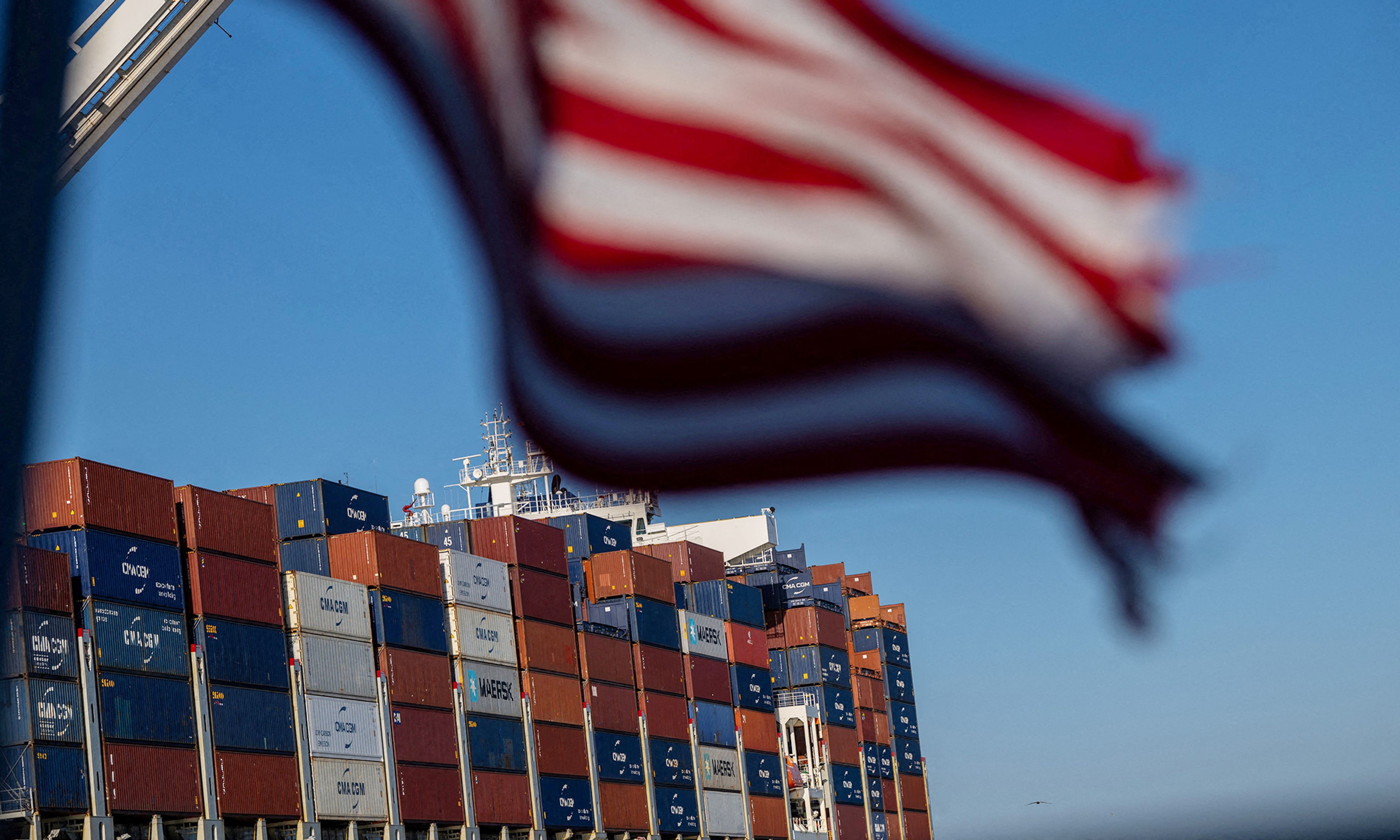
Last Friday, by a vote of 6–3, the Supreme Court held that President Trump had no legal authority under the International Emergency Economic Powers Act (IEEPA) to impose sweeping tariffs on goods from nearly every country on earth. The opinion, written by Chief Justice John Roberts, is a monument of understatement: IEEPA, he noted, “contains no reference to tariffs or duties,” and no president before Trump had ever read it to confer such power. The emperor, it turns out, had no statutory clothes.
But the ruling left one urgent question unanswered: What about the money?
Importers — most of them ordinary American businesses and not the foreign exporters the tariffs were supposedly punishing — paid more than $200 billion in duties since the tariffs were put in place last year. That money was collected under a legal authority that the Supreme Court has now said never existed. The administration’s response? Let it get litigated for the next two years. Translation: We know we took this money illegally, and we’re going to make you fight for every penny.
This is not a gray area: When a government collects taxes or duties under an invalid legal authority, the remedy is a refund. Full stop. Federal law gives importers the right to sue for the refund of unlawfully assessed customs duties. The protest and reliquidation procedures under federal trade law exist precisely for situations like this. These companies paid because they had no practical choice — if you refuse to pay, your goods will sit at the dock. Coerced payment under an unlawful order is the dictionary definition of a case for restitution.
Conservatives should be especially clear-eyed here. Tariffs are taxes. They are paid by American importers and passed along to American consumers. The idea that a president could invent a $200 billion tax regime on his own authority — no act of Congress, no debate, no vote — and then keep the proceeds after courts say it was all illegal is exactly the kind of executive lawlessness that the Founders built courts to stop. If the government can pocket money it had no right to collect, the rule of law is a polite fiction.
The standing question is not complicated either. The businesses that paid these tariffs have suffered concrete, quantifiable, direct financial injury. A small cycling company in Vermont, a toy importer in Illinois, a wine distributor in New York — these are not abstract plaintiffs asserting theoretical harm. They paid more, sold less, and in some cases shed employees. Courts exist to make such parties whole. The injury is real, the defendant is identified, and the remedy is available. All that is required is the political will to honor the Supreme Court’s decision.
Major corporations like Costco, FedEx, and Kohl’s have already filed lawsuits to seek tariff refunds. But small businesses may lack the resources to do the same. The administration’s posture — that companies should wait years in litigation while the government sits on their money — is a strategy of attrition. It bets that most small businesses won’t have the resources or stamina to pursue refunds through years of federal court proceedings. That is not a legal defense. It is an abuse of institutional power dressed up as process.
Congress should act. A straightforward statute directing the Treasury to open a refund process for duties paid under the invalidated executive orders would cut through the litigation fog and do right by the businesses that bore the brunt of an illegal policy. Absent that, the Court of International Trade will be busy for years, which is precisely what an administration determined to run out the clock is counting on.
The tariffs were a tax. The tax was illegal. Give the money back.






Comments