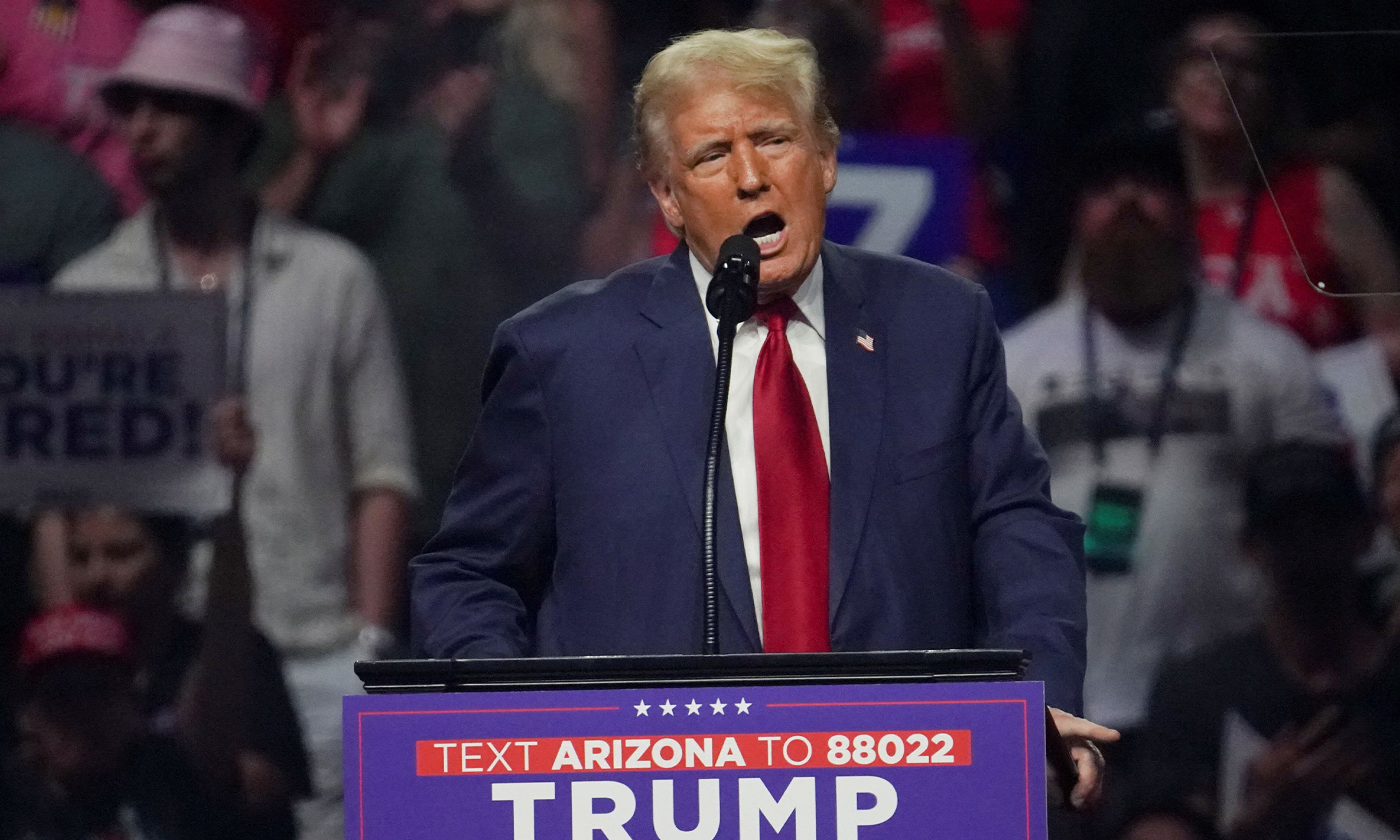
A little under ten years ago — before the rise of Trump, but after the 2014 midterms — I appeared on a morning cable-news show to discuss the transient politics of the day. I cannot, if I am honest, remember our exact topic of conversation, but, whatever it was, I ended up criticizing then-president Obama for his approach and then outlining in as much detail as the truncated format would allow what I would prefer the federal government do instead. Having done this, I stopped talking, leaned back in my chair, and waited patiently for the rebuttal. But it never came. Instead, I was condescendingly informed by one of the show’s ostensibly neutral co-hosts that, if I wanted the conservative moment or the Republican Party to have any say over public policy, then they would have first “to win an election.”
This, I found utterly astonishing. At that point, the GOP had not merely prevailed in the most recent federal elections, but was in its strongest electoral position in 80 years. It controlled the House, with its largest majority since 1928; it controlled the Senate, having picked up nine seats; it controlled 31 governorships; and, perhaps most remarkable of all, it controlled more statehouses than it had in a century. What it didn’t control was the presidency, and, for my interlocutor, this was all that seemed to matter. For him, it seemed, the president and “elections” were synonymous. The only government that mattered was the federal one, and the only branch that mattered was the executive.


Comments