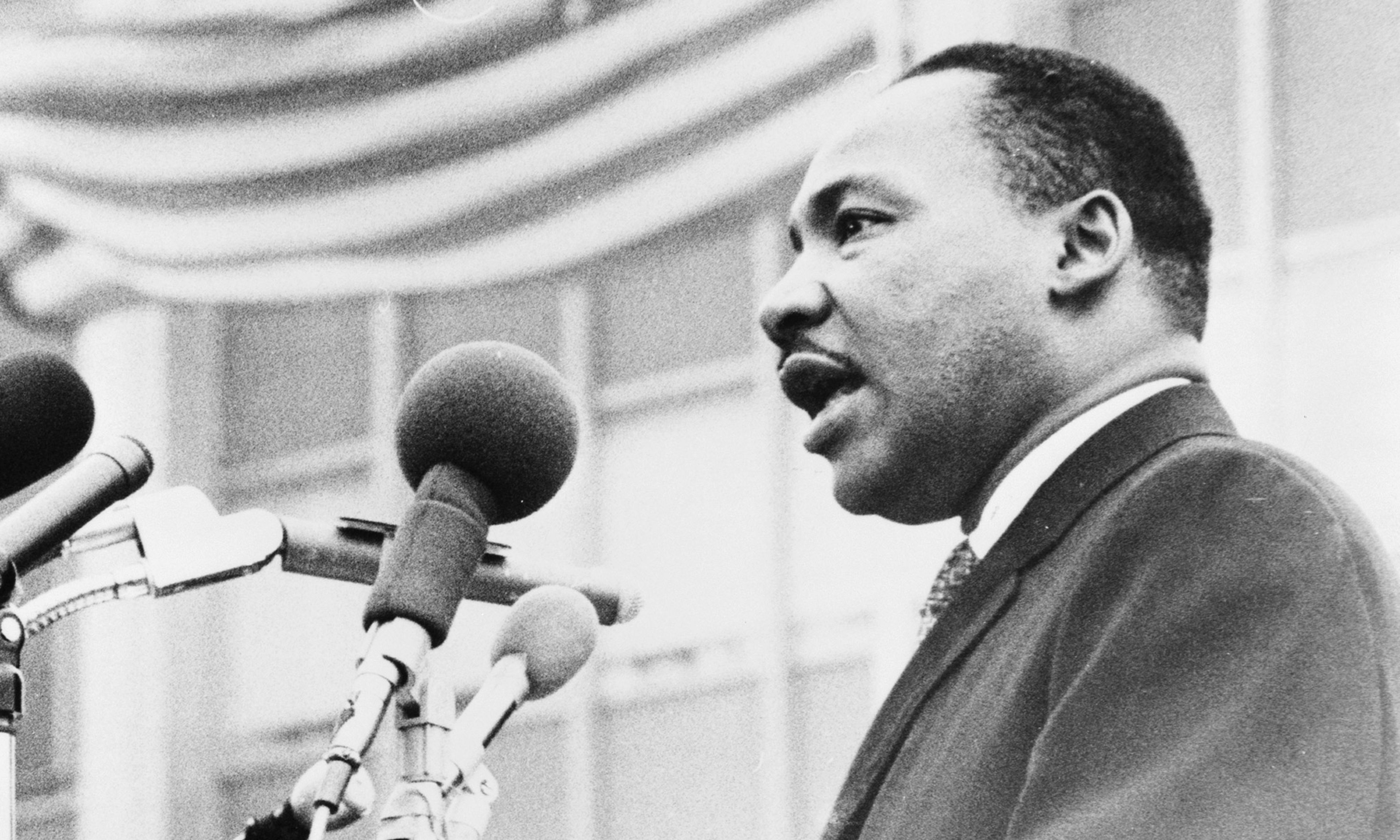
In his “I Have a Dream Speech” at the March on Washington in 1963, Martin Luther King Jr. famously said that he dreamed that his “four children” would “one day live in a nation where they would not be judged by the color of their skin but by the content of their character.” Earlier that same year, and in a radically different context, King in his “Letter from a Birmingham Jail” spoke searingly about the collateral damage that racial prejudice inflicts on black Americans, white Americans, and “those great wells of democracy which were dug deep by the founding fathers in their formulation of the Constitution and the Declaration of Independence.” No other public figure in modern times has expressed sentiments so resonant with the tradition of color-blindness in the Western intellectual tradition. Given King’s moral and practical advocacy, he seems to have understood that he was a mere vessel of many strands of ethical thought that privilege individual character (ēthos), and its concomitant choices and actions, over conventional and arbitrary markers of distinction such as a person’s sex or race. Many of those strands of ethical thought inform my own approach to relations between all Americans, especially the relations between America’s two oldest groups, the white and black communities.
My approach to race relations, the color-blind approach, is grounded in the moral belief that the mere possession of hereditary qualities such as race should not confer moral merit on a person who possesses or not. Instead, moral merit can be, and should be, conferred on an individual’s actions, because actions reveal one’s character. When I speak about character, I should be understood as speaking about the right desires, feelings, pleasures, and pains that make up the states of the virtuous character. The belief in character, as opposed to ascriptive qualities, as the locus of moral agency has a rich and comprehensive history in the West, and it continues to animate America’s own founding documents and way of life.





Comments