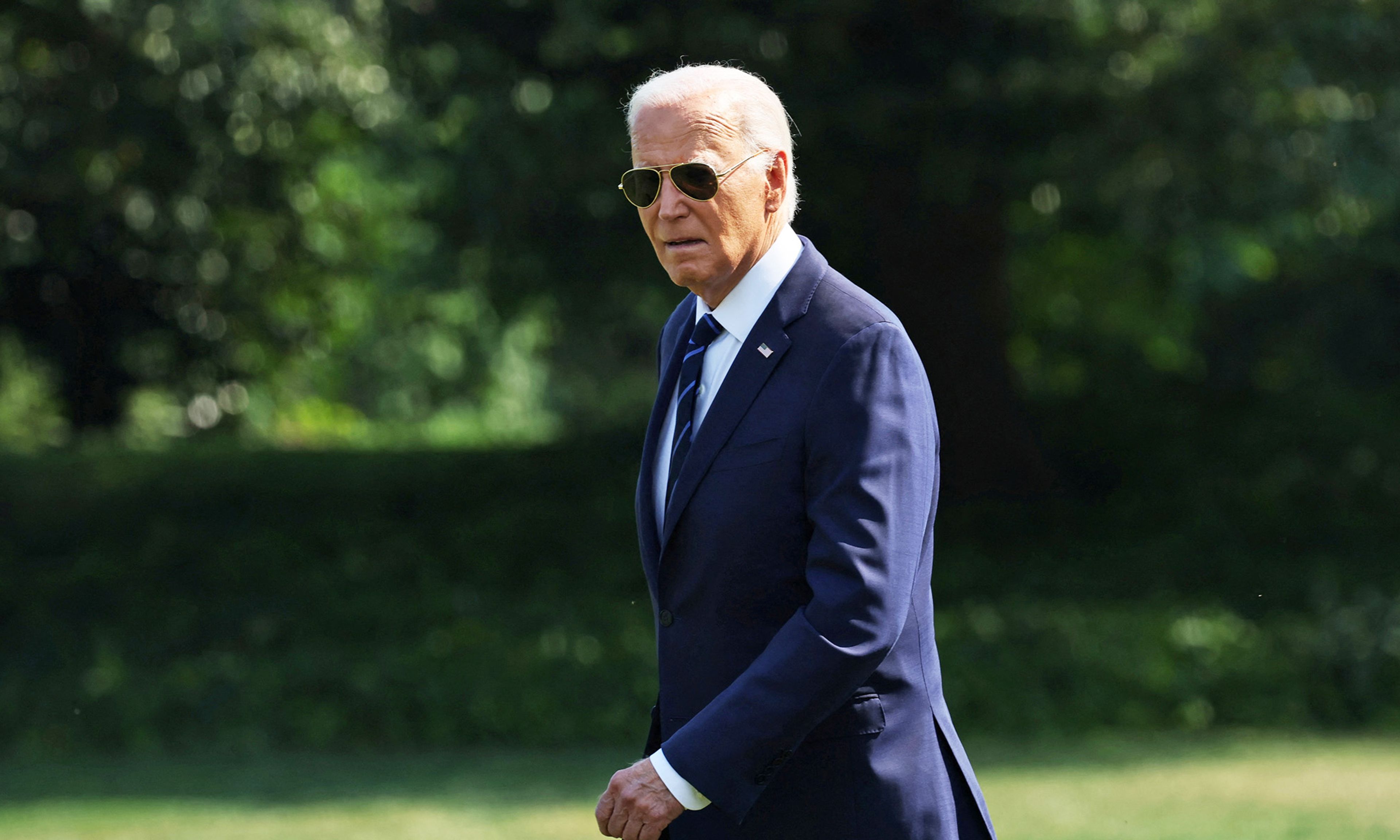
Democrats face a dilemma in the presidential race: stick with a visibly failing Joe Biden, or take a leap into the unknown by escalating the pressure for him to drop out. Any of these options put them on uncharted ground. Dropping out — which would be unprecedented this late in a national election — could mean replacing him with the deeply unpopular Kamala Harris, or it could mean embarking on a chaotic and divisive quest for a new nominee not chosen by the voters. It appears increasingly unlikely that Democrats will be able to escape Biden.
The last time a national party faced a choice even vaguely similar was in 1968, when Lyndon Johnson’s withdrawal in March and Robert F. Kennedy’s assassination in June backed the Democrats at their violence-marred Chicago convention into choosing as their standard-bearer vice president Hubert Humphrey, who had competed in just eight primaries and didn’t win any of them. Trailing badly in national polls throughout the late summer and the fall, Humphrey closed the gap at the end but still lost to Richard Nixon. The Democratic ticket dropped from 43.1 million votes and 61.1 percent of the popular vote to 31.3 million votes and 42.7 percent. Republicans gained five Senate seats, five House seats, and five governorships.





Comments