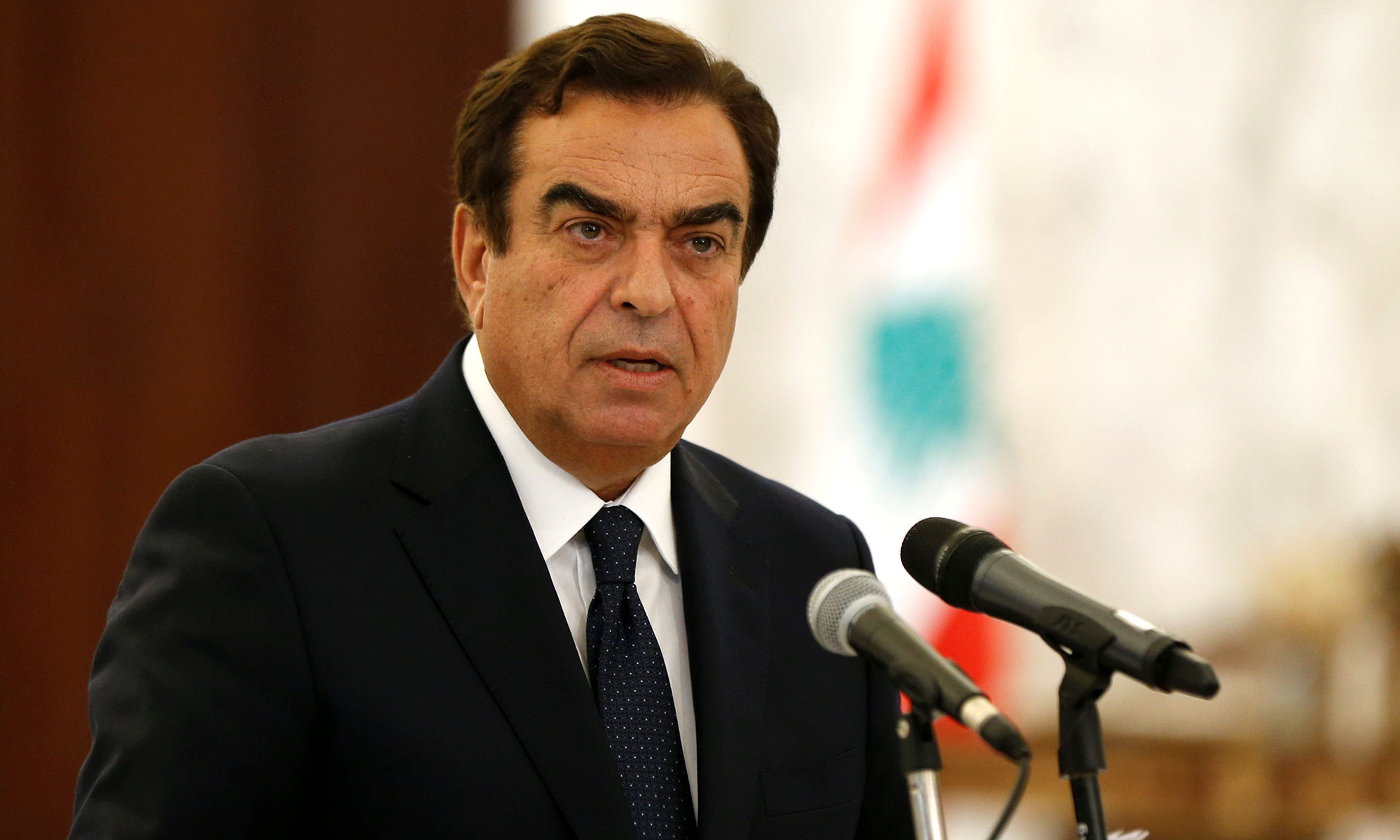
While Lebanon is experiencing an existential crisis, some of its leaders are having an identity crisis — and continuing to solicit political favor with Iranian proxies. At the same time, the long-suffering people of Lebanon continue to bear the brunt of a system wrought with corruption and openly riddled with influence from Iran, the world’s leading state sponsor of terror.
Recently, Gulf-state U.S. allies have begun to question their economic and diplomatic relationships with a Lebanese government that, at minimum, panders to Iranian allies. Contemporaneously, the United States continues providing financial assistance to a government in Beirut that seems unwilling to help itself. This raises the question of whether U.S. matériel and financial assistance, as currently conceptualized, are serving U.S. national-security interests or, instead, serving a pipe dream of stability in a Lebanon that continues to show no haste in moving toward necessary reform. Do the Gulf states see something that the current U.S. administration does not? Or is the United States doggedly persisting in a policy that, at least, deserves review, given realities on the ground in Beirut?


Comments