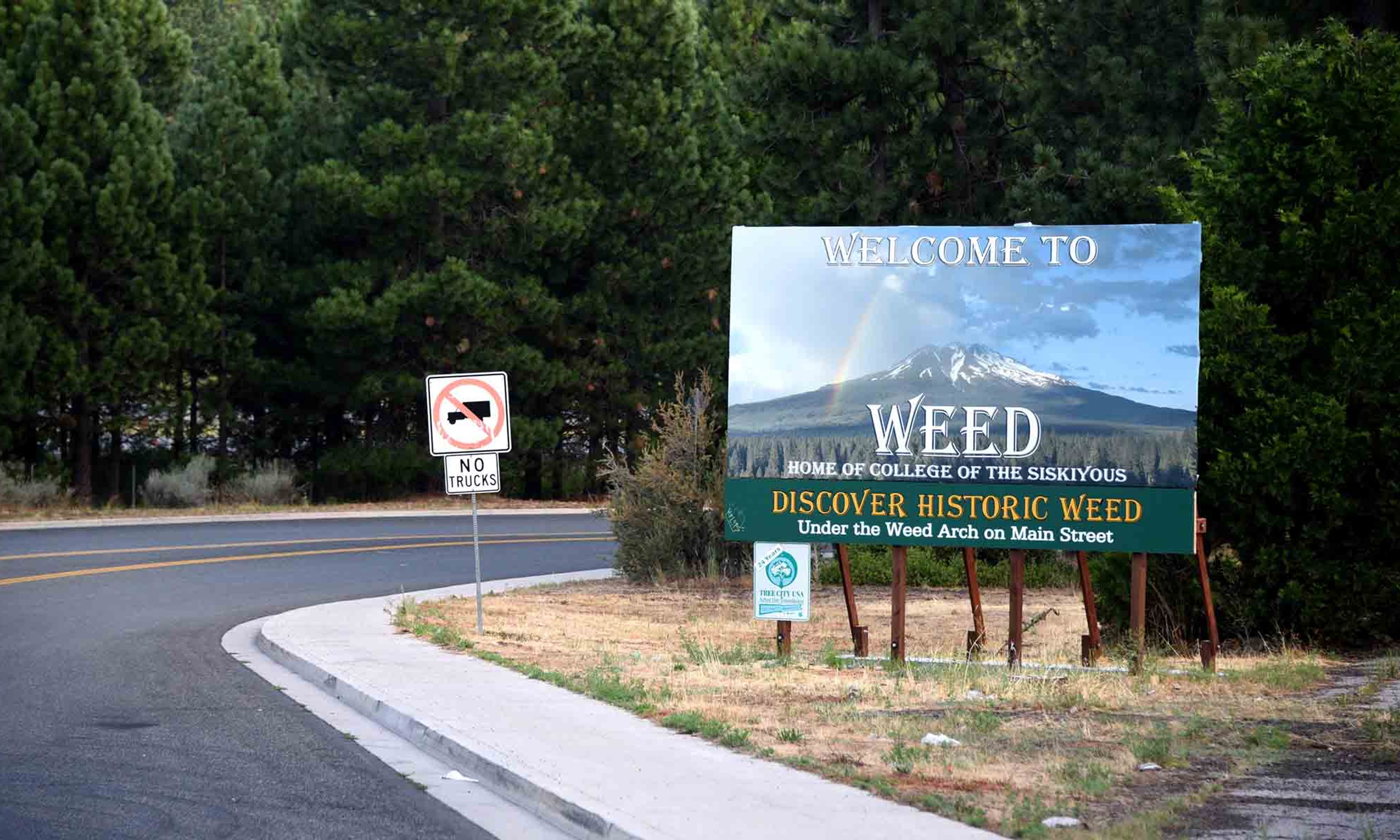
On September 2, with California still in the convection oven of late summer, a wildfire swept through Weed. Once an international logging hub, Weed is nowadays a small town of around 2,800 people living beneath a snowcapped volcano called Mount Shasta, about an hour’s drive south of the Oregon border. The Mill Fire, as it was soon called, burned through 4,000 acres and killed two people before it was finally extinguished on September 13.
News accounts of the wildfire were almost invariably refracted through the prism of race, hammering the round pegs of human suffering and government incompetence into the square holes of ethnicity. “Wildfire destroys historic Black section of Weed,” declared the Sacramento Bee. The San Francisco Chronicle’s sister news organization, SFGate, reported, “Historic Black Northern California neighborhood destroyed in Mill Fire.” The Bay Area News headline read, “Vital piece of Black history burns up in Mill Fire.” The New York Times joined in with “Wildfire destroys a piece of Black history in rural California.” And in case you were still uncertain about the racial significance of the Mill Fire, there was Ben Crump, the civil-rights attorney who represented the families of Breonna Taylor and George Floyd, walking the streets of Weed, promising reporters that he’d win justice for “a marginalized community that again is facing tragedy because the warning signs were not adhered to.”





Comments