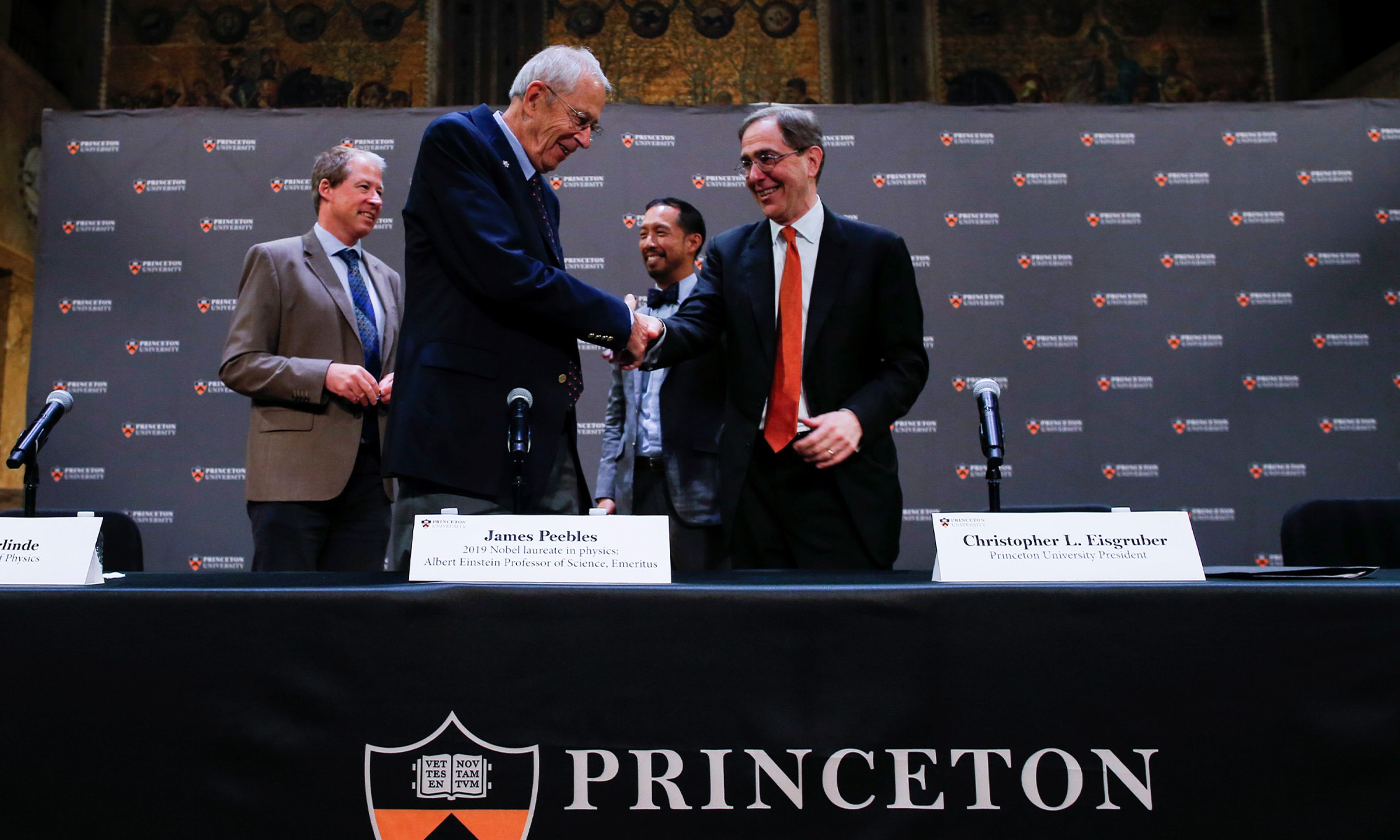
September 30 marks the publication of a new book by Princeton University president Christopher Eisgruber, Terms of Respect: How Colleges Get Free Speech Right. For those who plan to read the book that ostensibly defends the culture of free speech on campuses, it is worth reviewing the author’s abysmal record on protecting free expression. The cruel irony for Princeton is that Eisgruber himself created and enforced a wicked doctrine. A threat to all on campus, what the Princetonians for Free Speech co-founders have condemned as the “Eisgruber doctrine” allows his administrators to defame those they disfavor, yet evade university discipline. Rather tellingly, Eisgruber and the Board of Trustees have turned deaf ears to calls to disclose a secret report underlying the Eisgruber doctrine.
Princeton’s Board of Trustees should fire President Eisgruber. Indeed, they should have done so months ago. Here’s why. In 2022, Eisgruber wrongly dismissed a formal complaint by eight Princeton faculty members regarding the university’s mistreatment of an outspoken classics professor, Joshua Katz. Eisgruber’s administrators had defamed Katz in the notorious (and now memory-holed) 2021 presentation for students, “To Be Known and Heard: Systemic Racism and Princeton University.” Princeton later stripped Katz of tenure and fired him, a decision drawing widespread condemnation because it appeared to be motivated by animus against Katz for his protected speech.




Comments