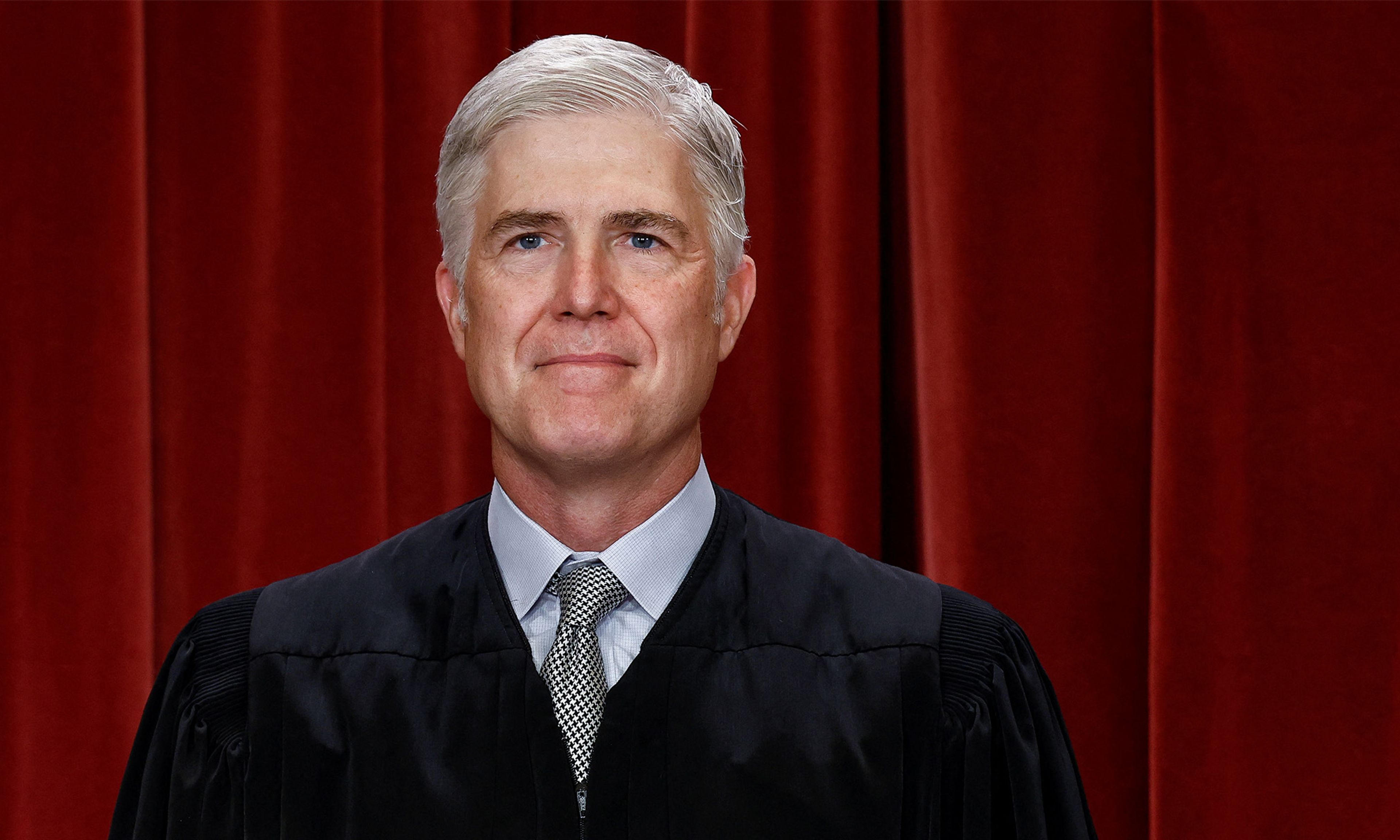
During yesterday’s oral arguments in the case of United States v. Hemani, Justice Neil Gorsuch posed a question that has not typically been debated in detail at the Supreme Court: whether the Founding Fathers of the United States were “all habitual drunkards.”
To casual observers this line of inquiry may have sounded somewhat peculiar — or perhaps even rude. On the contrary: It was brilliant. At stake in Hemani is the question of whether a person who is “an unlawful user of or addicted to any controlled substance” can, by virtue of that habit, be generally banned from purchasing, possessing, and carrying firearms. At present, under 18 U.S.C. Section 922(g)(3), they can. But, in recent years this provision has come under attack — including in recent cases heard by the United States District Court for the Eastern District of Texas and the U.S. Court of Appeals for the Fifth Circuit, both of which held that it is unconstitutional when used to charge someone who regularly uses drugs but has not been shown to have used them while in possession of a weapon.





Comments