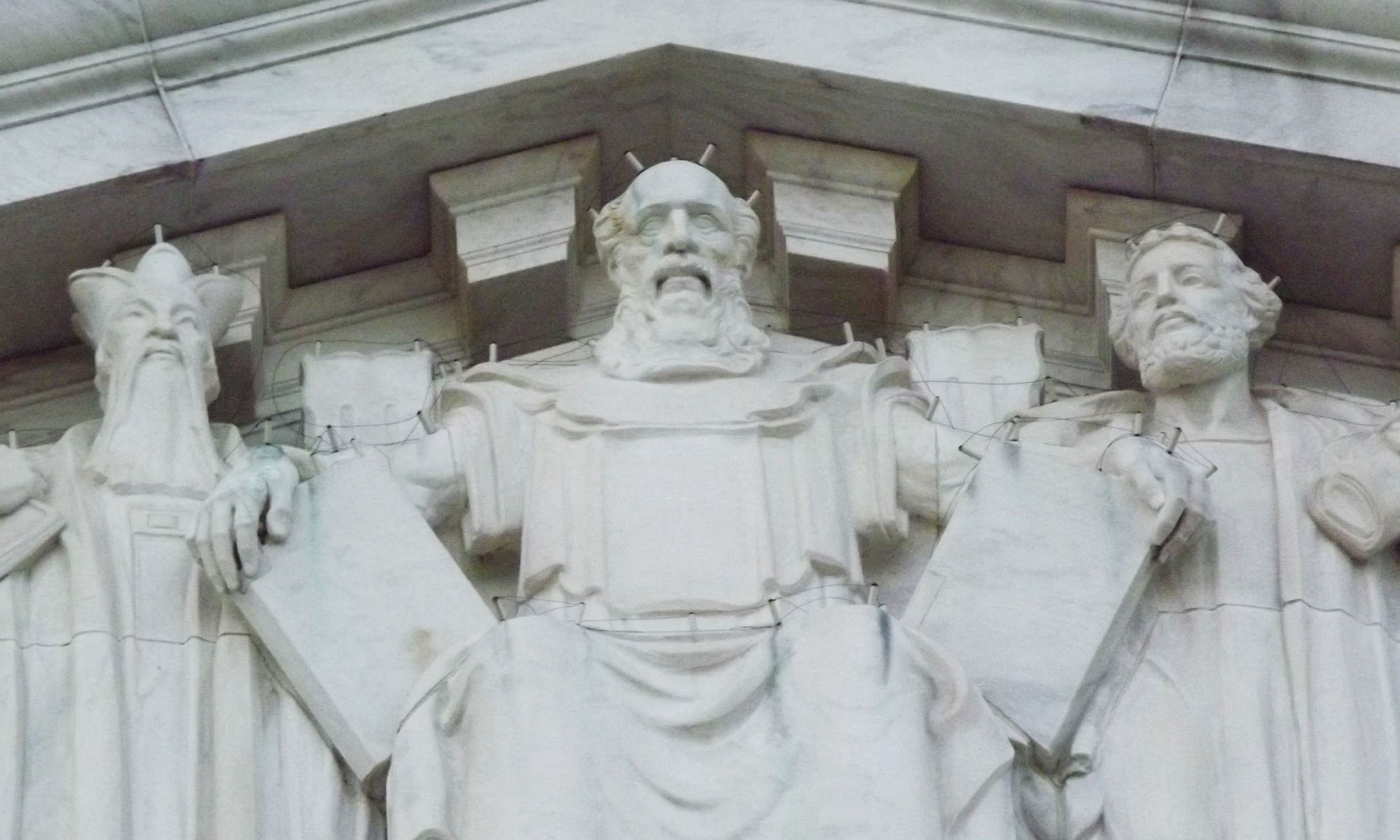
Each December, my children and I hang lights on our house and set up a big Nativity scene in our front yard. Like many Americans, we feel comfortable expressing our faith in public. The Founders recognized this reality as well. They understood that freedom of religion should not just be permitted, but that it was essential to a flourishing society and provided a moral foundation for self-governance.
Yet for decades, courts have treated public expressions of faith with suspicion, even hostility, as if the Constitution demands that religion be hidden away. Thankfully, the U.S. Supreme Court has begun correcting this error, restoring an understanding of religious freedom more faithful to the First Amendment’s design.


Comments