
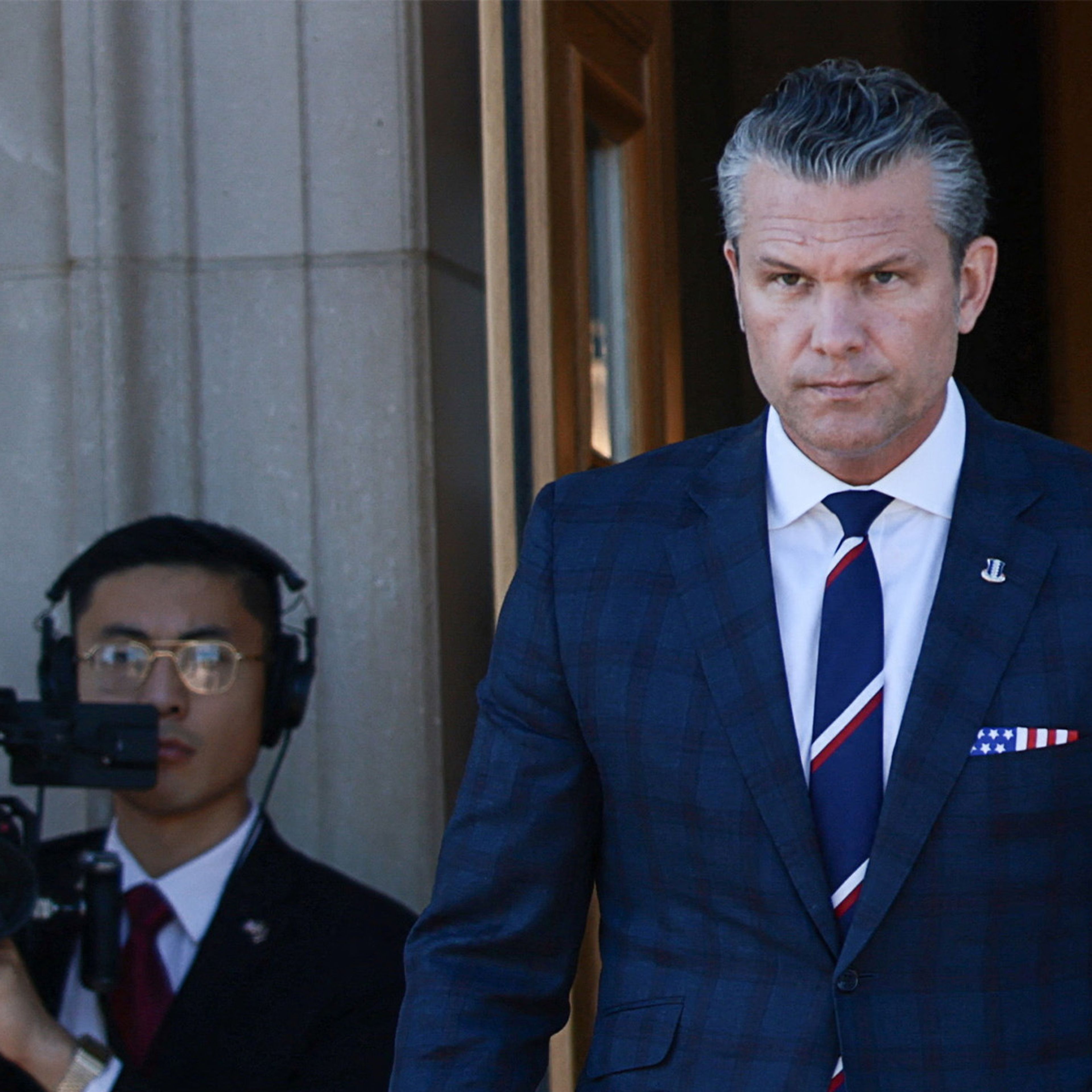
From the outset of his selection by Donald Trump to be secretary of defense, Pete Hegseth’s nomination has been on the bubble. Trump’s choices fall along a spectrum as far as their odds of getting confirmed. At one end of that spectrum is Marco Rubio: a sitting third-term senator, well-liked by colleagues, respected for his depth of engagement in his area, vetted by a prior high-profile presidential campaign without scandal, and on good terms these days with every major faction of the party. Despite being thin on executive experience, Rubio will likely be confirmed within 24 to 48 hours of Trump’s swearing-in. At the opposite end was Matt Gaetz: conspicuously unqualified for the post, drenched in personal scandal, and with truckloads of personal enemies on Capitol Hill. Even if his withdrawal happened faster than predicted, nobody was surprised that Gaetz failed to make it through the Senate.
Hegseth has been the biggest question mark, a nomination that clearly could go either way. In his favor, he’s an impressive guy: tours of duty in Afghanistan, Iraq, and Guantanamo Bay; two Bronze Stars; two Ivy League degrees and a Wall Street background; long engagement in veterans’ issues, including running veterans’ advocacy groups; the communications skills to do national TV on a regular basis; and a lot of good and interesting ideas about the proper direction of the armed services. On the downside, Hegseth has never held elected or appointed public office, having sputtered out in the primary in a brief campaign for the Senate in Minnesota in 2012; his minimal executive experience includes charities that seem not to have been run terribly well, suggesting real reasons for skepticism about his capacity to impose his plans on a hostile Pentagon bureaucracy; he hardly seems irreplaceable, and Trump could doubtless find better people to carry out the same mission (including floating Ron DeSantis as a possible replacement); and he has been dogged by a lot of ugly baggage in his personal life.


Comments