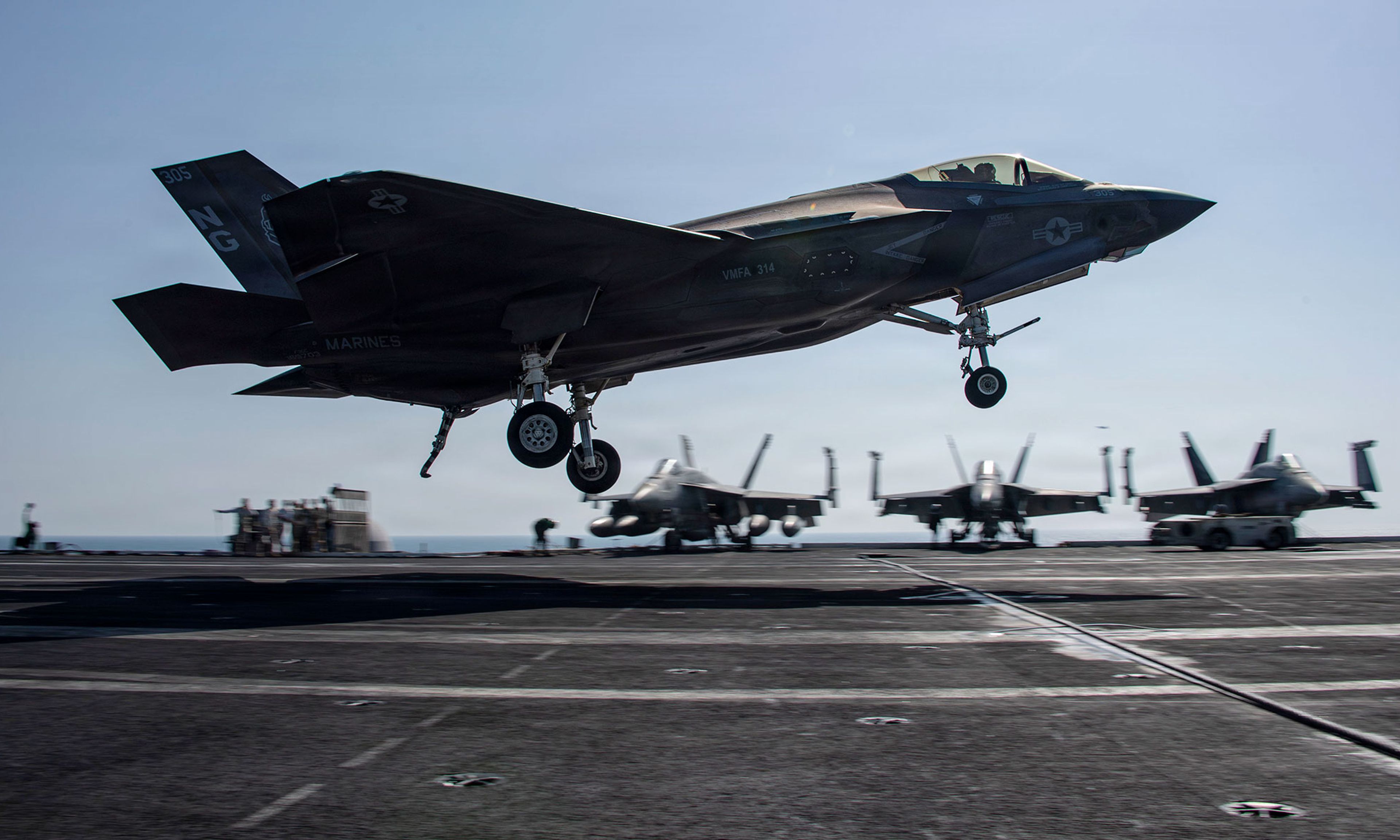
For decades, the United States and its allies have been gaming out what a full-scale war against the Islamic Republic of Iran would look like. As recently as 2020, in the immediate aftermath of the airstrike that neutralized Islamic Revolutionary Guard Corps commander Qasem Soleimani, mainstream and center-left media outlets summarized the forecasts of American war planners. Their conclusions were sobering.
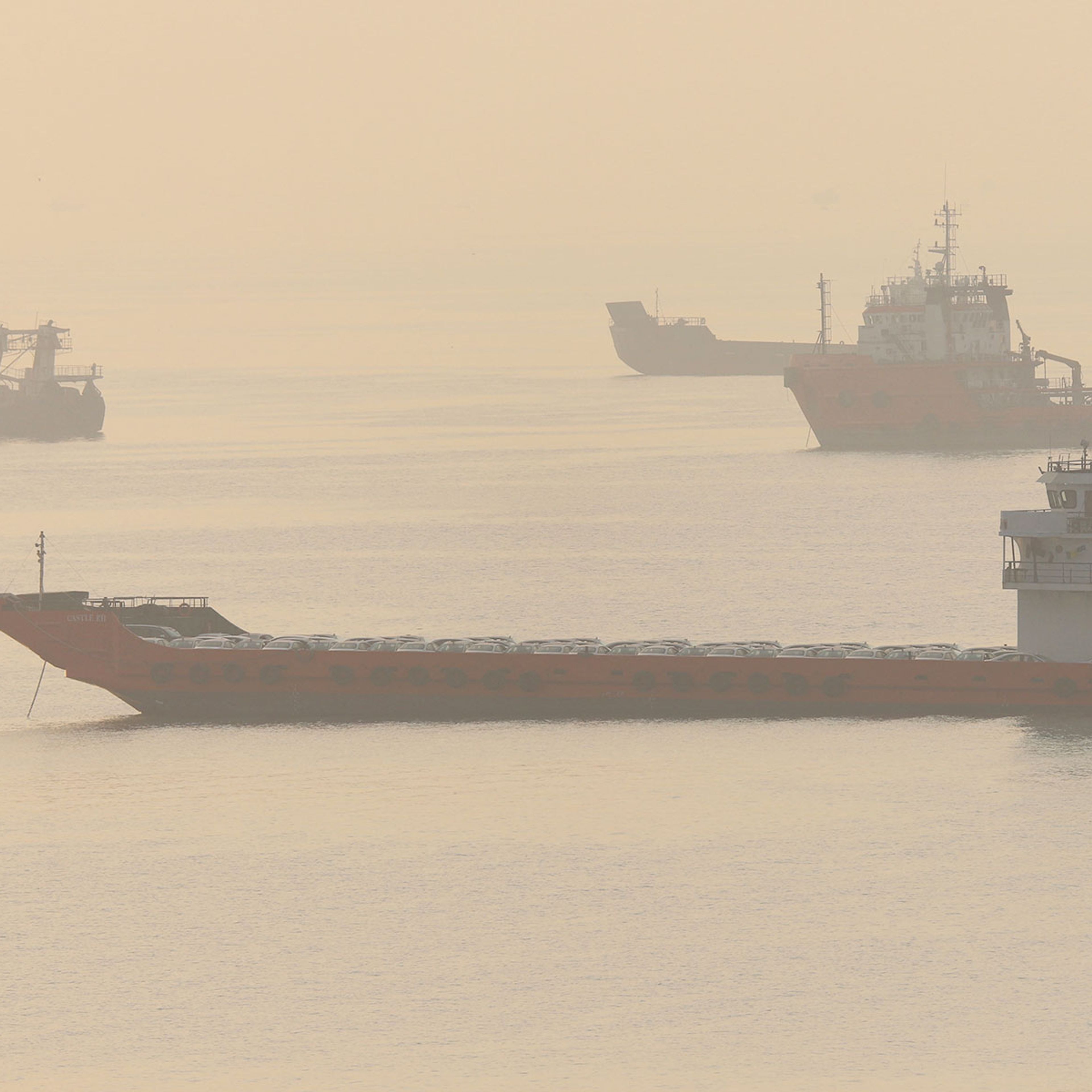
In a war that the Iranian regime sees as existential, Tehran could be expected to pull out all the stops. “Iran’s vast network of proxies” would be activated. American and European civilians would be targets, as would vulnerable U.S. military positions in Iraq and Syria. “Sleeper cells” would carry out attacks against soft targets in Europe and Latin America. Hezbollah would roar to life in Lebanon, raining missiles down on Israel. Terrorists would target American diplomatic posts as far afield as West Africa and Southeast Asia. Crippling cyberattacks against Western-oriented governmental and commercial interests would cause major financial disruptions. Bombs, mines, missiles, drones, and fast boats would complicate U.S. operations in the Strait of Hormuz, putting all maritime traffic to a halt for the indefinite future.

Comments