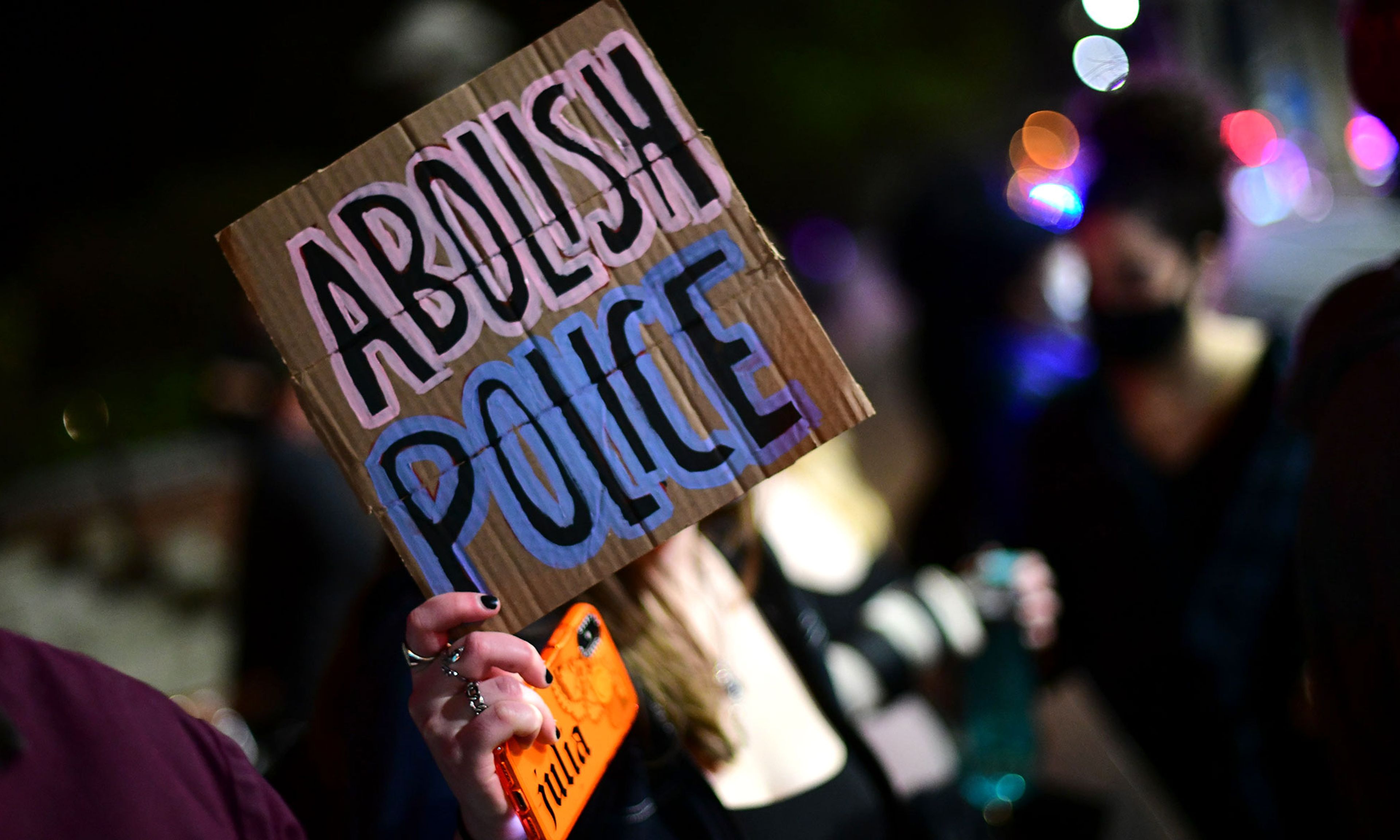
In 2020, the year that Black Lives Matter took to the streets in protest, 243 African Americans were shot to death by police. Also that year, though BLM took no notice, over 13,500 black people were murdered by private citizens (according to Centers for Disease Control and Prevention data), the overwhelming majority of whom undoubtedly were black. (Relevant FBI data for 2020 are not yet available, but data for 2019 indicate that 89 percent of black homicide victims were killed by blacks.) That’s nearly 56 times the number of African Americans killed by police. And a recent survey found that more than half of black Americans (54 percent) or someone they know had experienced gun violence in the past five years.
This carnage among black Americans continued in 2021. In Chicago, for instance, 81 percent of the killings took black lives. In Baton Rouge, 79 percent of the victims were African American males, and in Louisville, 68 percent. In Baltimore, 92 percent of the homicide victims whose identities were known were black. As for 2022, the murder data are very preliminary, and it’s too soon to discern a national trend.





Comments