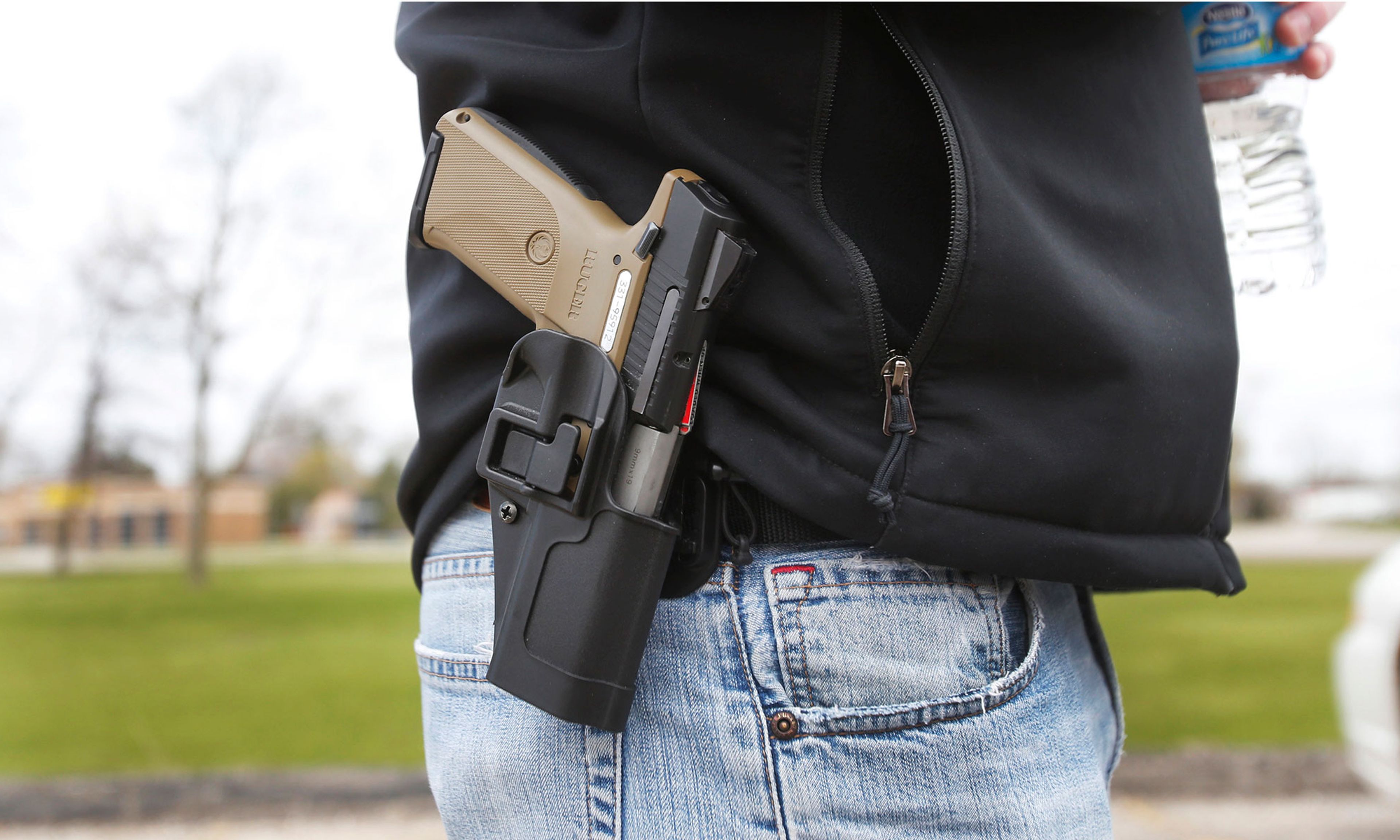
The right to carry a gun in America has expanded drastically over the years. Especially from the 1980s through the 2000s, “shall-issue” concealed-carry laws — under which a concealed-carry permit is available to anyone who meets basic criteria such as completing firearms training and having a clean criminal record — spread through the states. More recently, about half of the states have gone “permitless,” allowing law-abiding civilians to carry a gun without getting a permit at all. And in last year’s Bruen decision, the Supreme Court affirmed a Second Amendment right to carry a gun, striking down New York’s requirement that permit applicants demonstrate a special need to carry.
These developments raise interesting questions regarding another part of the Bill of Rights: the Fourth Amendment, which protects citizens against unreasonable government searches and seizures. Specifically, as legal gun-carrying becomes more common and gains constitutional protection, it becomes less acceptable for police to stop and frisk civilians simply because they are armed. In a new brief for the Manhattan Institute, I wade through a debate on this topic that until now has mostly been confined to law reviews.





Comments