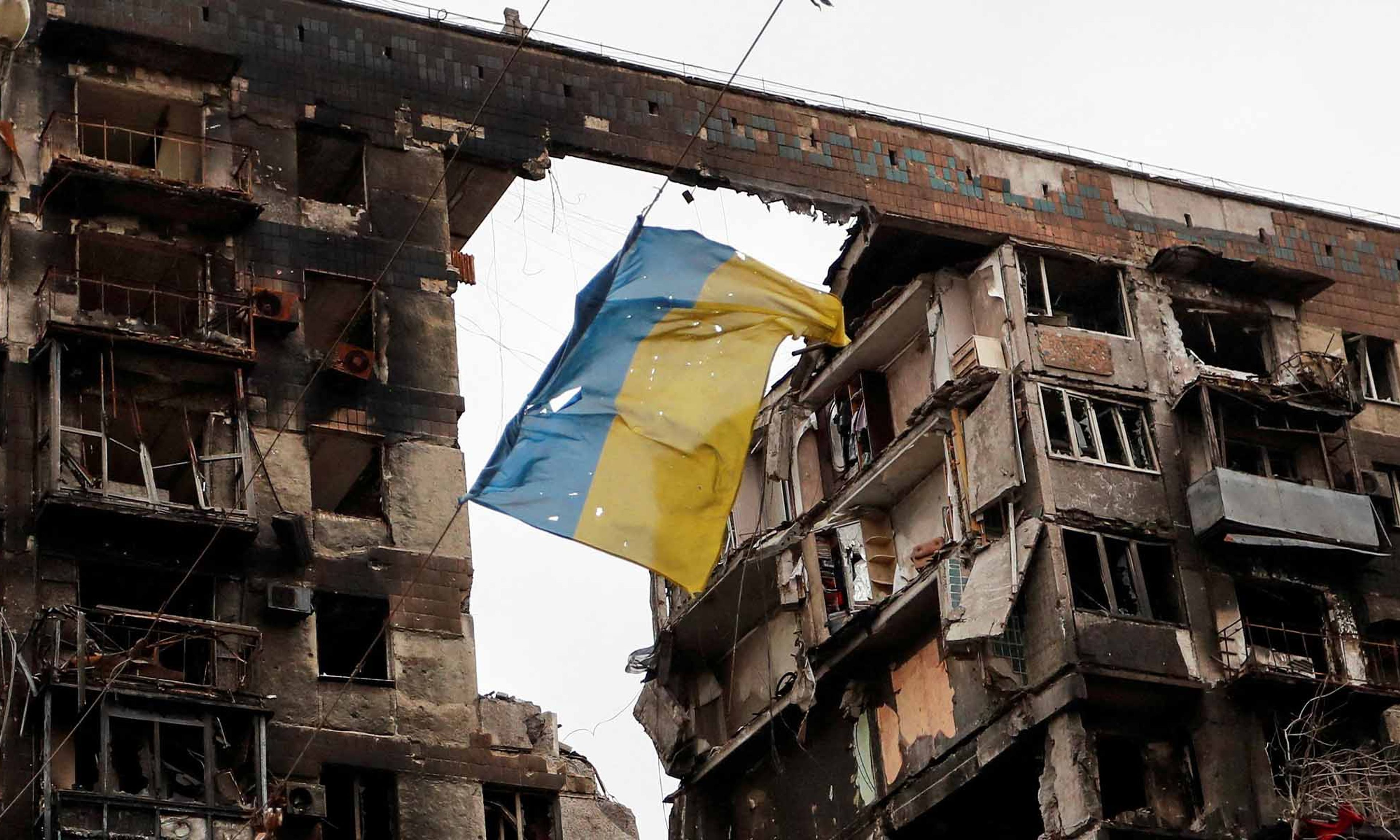
In the spring of 2026, the chances of a cease-fire between Ukraine and Russia appear as slim as ever. Moscow remains unwilling to settle for anything less than at least a partial victory, yet it lacks the military strength to enforce one. A “balance of death” has taken hold on the front lines, characterized by swarms of drones, attrition, and incremental territorial gains. On May 13 and 14, Russia launched over 1,400 drones, missiles and decoys on Ukraine — the war’s largest air attack so far. War, not peace, remains the most likely scenario.
Yet history rarely ends as expected. Europe cannot afford to be unprepared for the consequences of a sudden cease-fire. Should the fighting cease, Ukraine would not face a simple recovery period, but rather the beginning of a new, multidimensional struggle — one that would simultaneously test its security, economy, institutions, demographics, and political cohesion. Winning peace, especially under an imperfect cease-fire agreement, will be just as demanding as surviving the war.
Comments