In June 1983, President Ronald Reagan secured the release of a group of Russian Pentecostals who had spent five years living in the basement of the American Embassy in Moscow. The group had chosen to seek refuge and live in self-imposed imprisonment rather than renounce their Christian faith. What Reagan achieved was important: The Soviets learned that the persecution of believers was something that the United States took with the utmost seriousness, and which the president of the United States would raise personally.
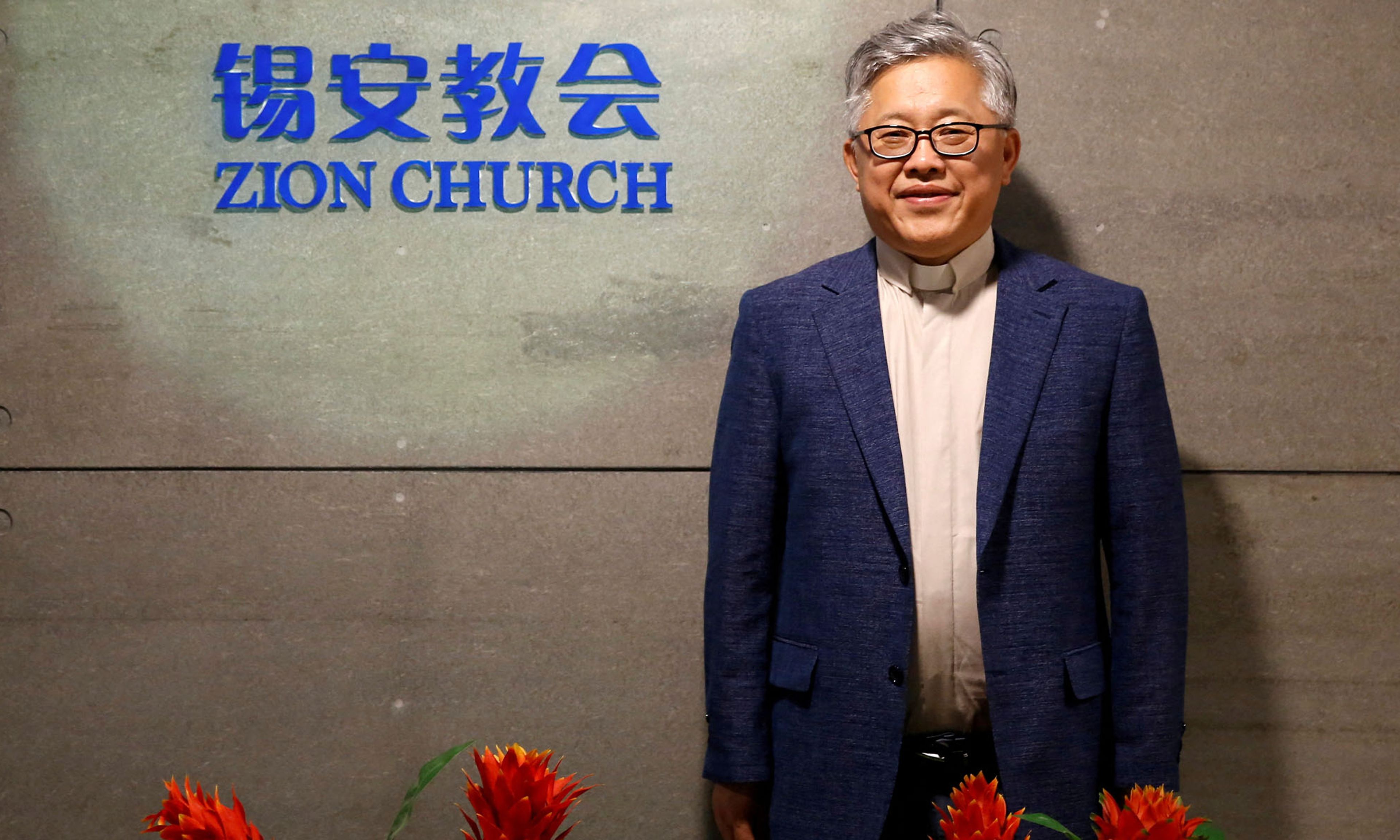
Few U.S. presidents have managed well the task of securing human-rights victories as part of their broader relations with dictators. It is one thing to negotiate with authoritarian governments as you would any other country and another entirely to negotiate without forgetting the nature of those regimes and the people they have persecuted and imprisoned. But to its credit, the Trump administration has demonstrated that, at least in some cases, American power can still be leveraged to advance human freedom: This year’s release of Pastor Ezra Jin, who came home to his daughter and her family in time for July 4, was a monumental victory.





Comments