Editor’s Note: The piece is the first in a five-part series.
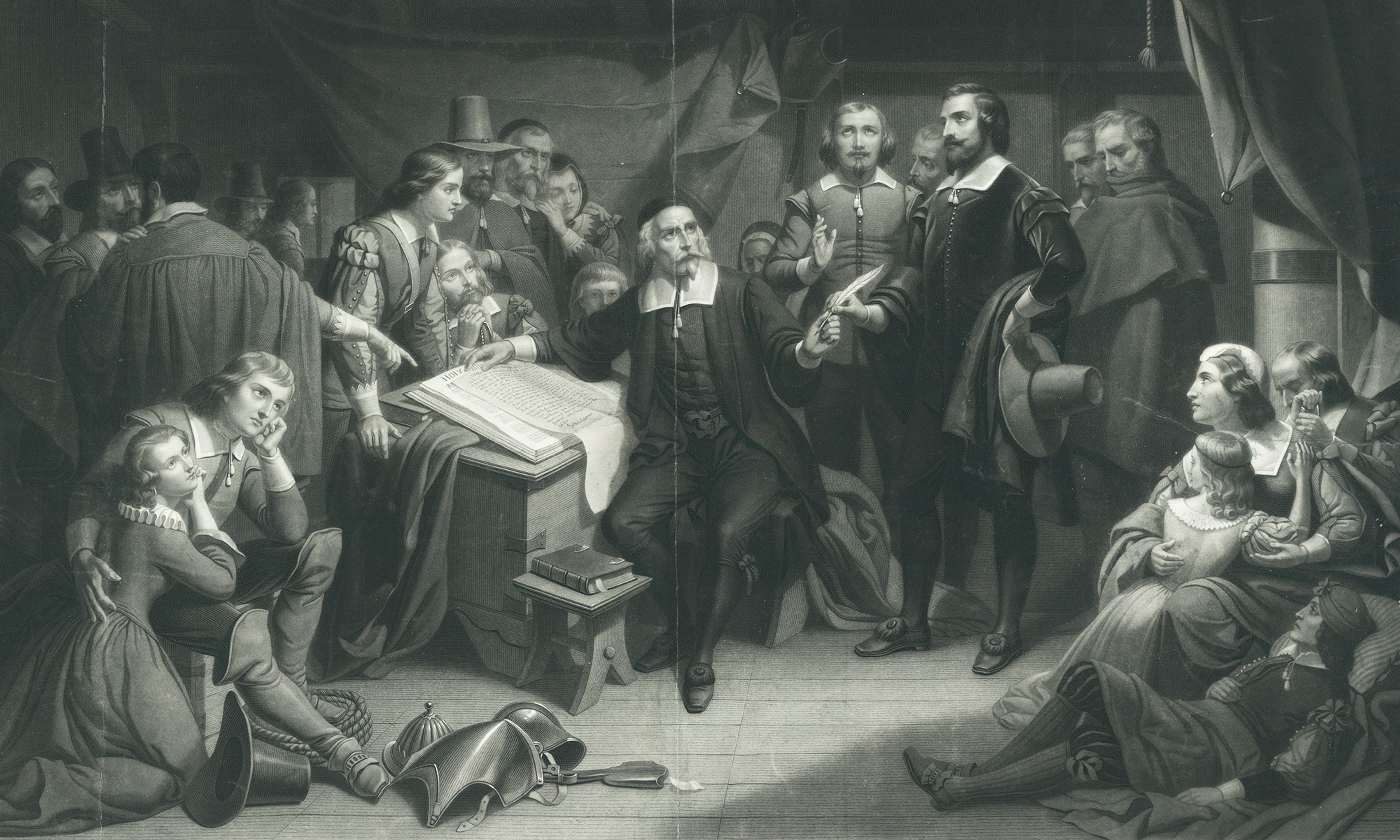
One of the most heuristic things ever said about a member of my family was said by William Bradford, governor of Plymouth colony, the early American settlement located in what would, at a later day, become the Commonwealth of Massachusetts. Writing in his memoir, Of Plymouth Plantation, Bradford said of my paternal ancestor William Brewster, “He was tenderhearted and compassionate of such as were in misery but especially of such as had been of good estate and rank and were fallen unto want and poverty.” What was remarkable in that encomium, of course, was not the contention that Brewster was a nice man. Down through the centuries, the record would probably confirm that my family has produced at least one nice man every generation or so. What was remarkable was that Brewster was revered not so much for his work in comforting the afflicted as for his success in comforting the formerly comfortable. As the Elder — the spiritual leader, that is to say — of a small band of English Christians who decamped first to Leiden, Holland, and then to America in 1620 on the good ship Mayflower, Brewster was tending to a relatively well-placed and well-connected flock. These were merchants and farmers, men of the law, men of the Book.




Comments