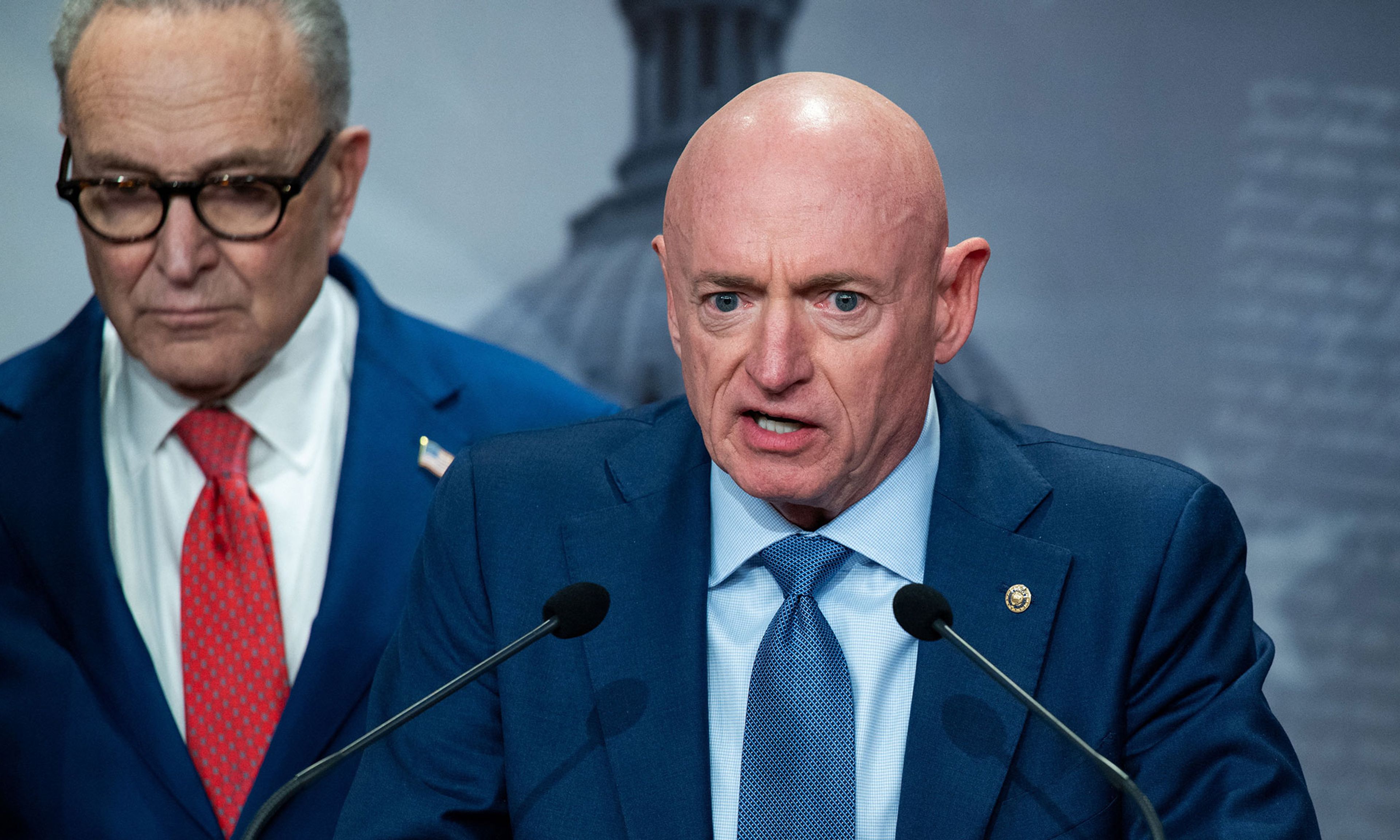
Senator Mark Kelly’s (D., Ariz.) Make AI Work for Americans Act aims to make companies that profit from artificial intelligence pay their “fair share” and use those proceeds to “invest in American workers.” The bill would create an AI Horizon Fund — financed by three new taxes and overseen by a 15-member AI Advisory Council — to expand job training, national service, small business support, and unemployment benefits.
The premise and assumptions behind the bill are clear: AI has been, and will be, displacing workers on a large enough scale that it necessitates a new federal trust fund. But this is counter to most of the evidence we have about . Economists have yet to find clear signs of broad labor market disruption, even among heavily AI-exposed industries or entry-level openings. Even on its own terms, the bill’s design has massive problems regarding how it raises taxes, how it spends that money, and who makes the spending decisions.




Comments