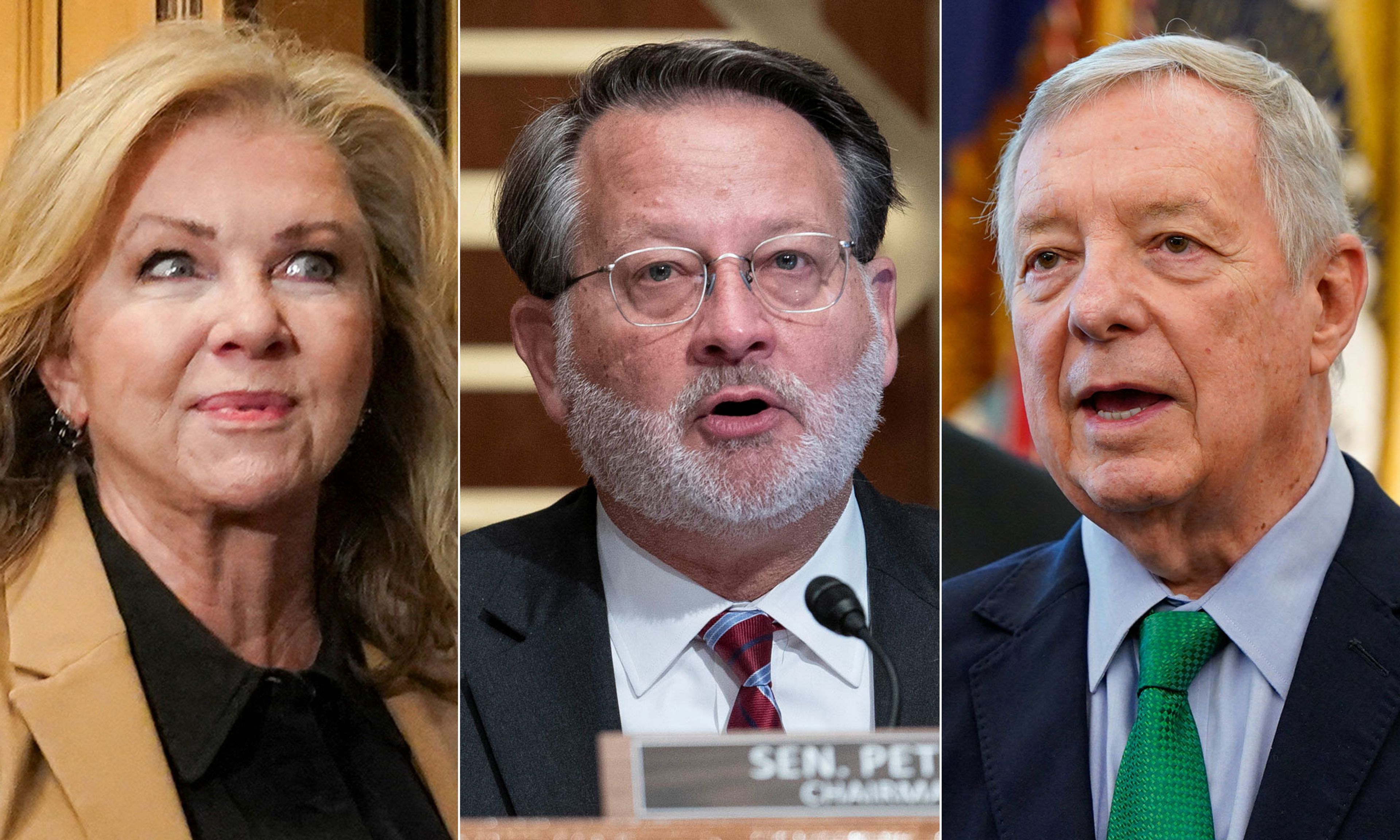
Election to the U.S. Senate used to be considered the apex of a political career, bringing with it prestige, powerful committee chairmanships, and a national stage. Only the presidency was thought to be further up the political ladder. But that’s changing.
This year, three senators — Michael Bennet of Colorado, Marsha Blackburn of Tennessee, and Tommy Tuberville of Alabama — have indicated that they will run for governor of their home states. They are trying to join Mike Braun of Indiana, who left the Senate after being elected governor last November. This is a complete reversal of the normal trend. Since 1900, governors have been over seven times more likely to become senators than vice versa.


Comments