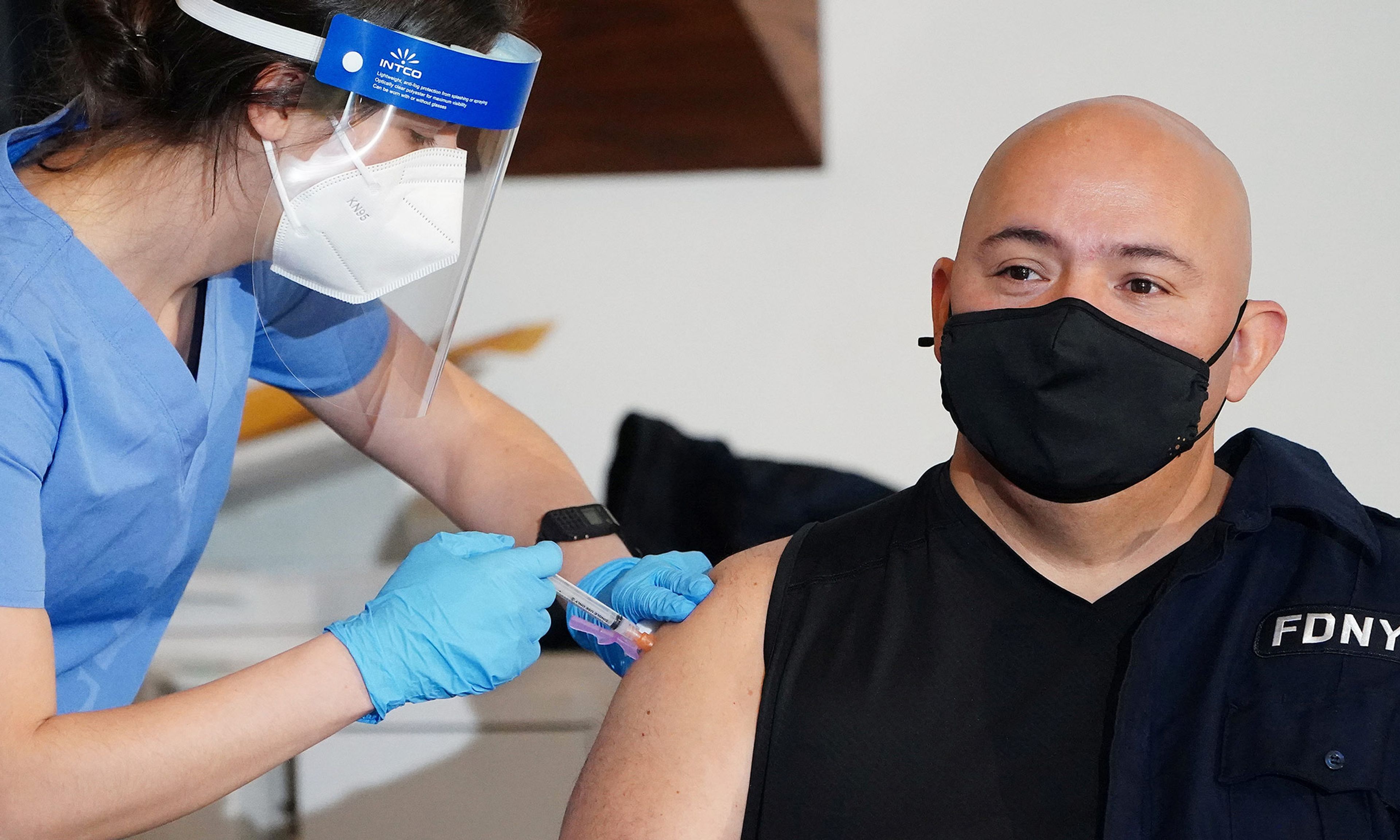
Now that Pfizer and Moderna have received emergency-use authorizations for their COVID-19 vaccines, the tough work of deciding how to allocate the limited supply of doses begins. Both vaccines, which require two doses per person, will be in short supply for months, and the shortage will be exacerbated by the CDC’s counterintuitive and counterproductive recommendation that people who have already had COVID-19 be offered the new vaccines along with people who have never been infected with the SARS-CoV-2 virus, which causes the disease.
Why, in the middle of a pandemic, when limited supplies necessitate vaccine rationing, does the CDC recommend vaccinating people who are likely already immune? The experts claim that the nature and duration of protective immunity generated by exposure to SARS-CoV-2 is unknown, so even recovered patients should be vaccinated. This rationale runs counter to what we know about viruses in general and about SARS-CoV-2 in particular.





Comments