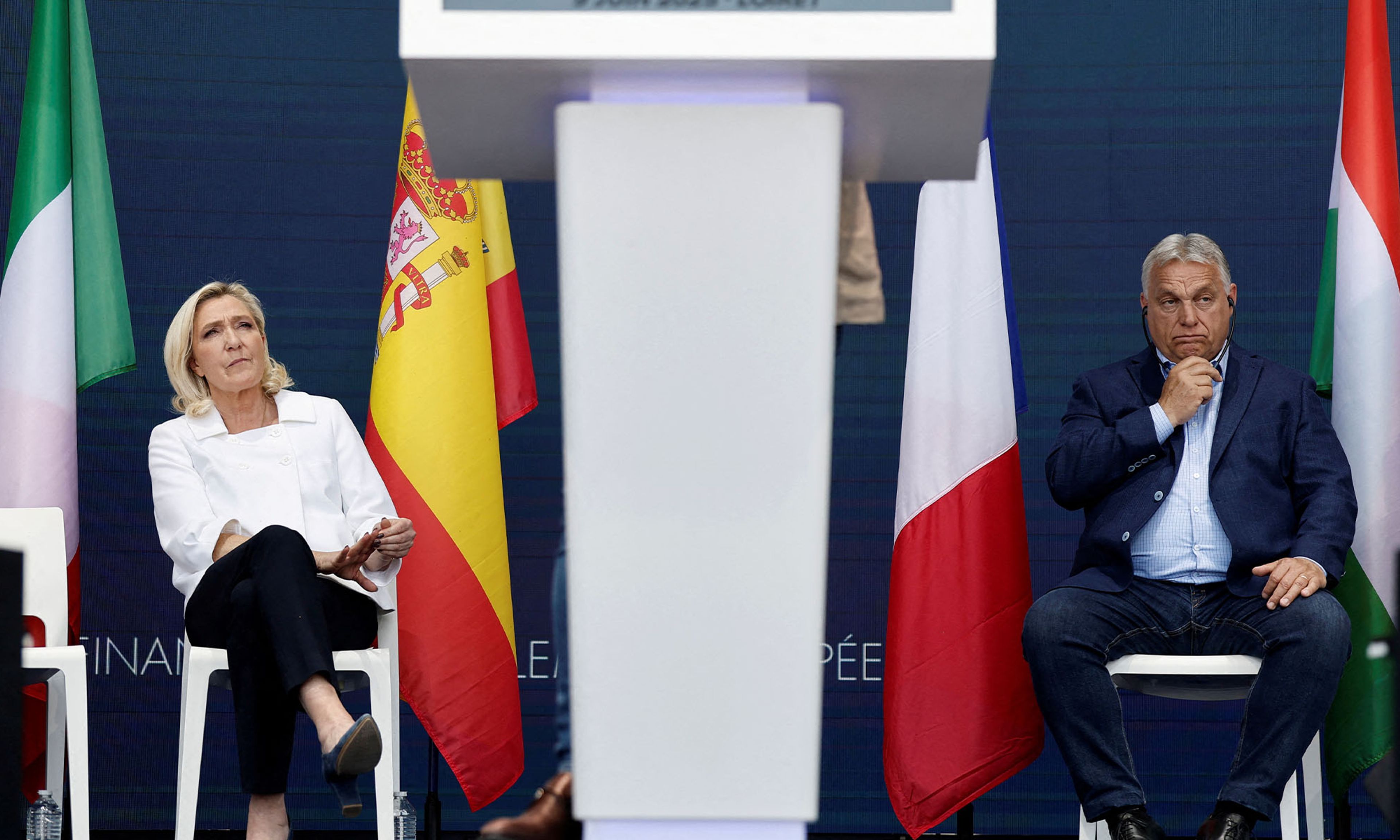
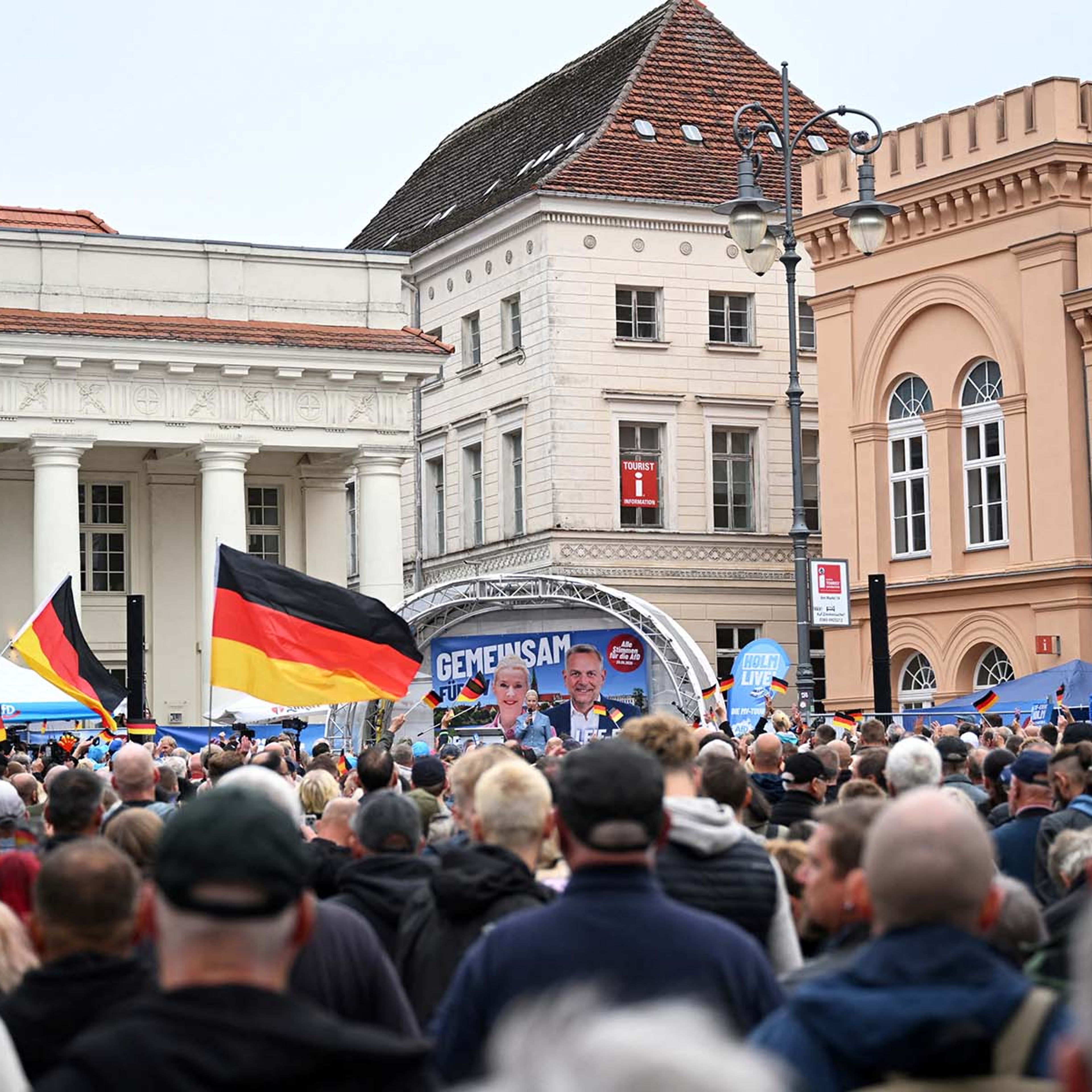
It seems as if it should be a simple question. Starting in Central Europe with the second rise of Viktor Orbán’s Fidesz and Poland’s Law and Justice parties, a kind of national populism has spread across Western politics and beyond. By the middle of the last decade, it found outlets in Brexit and the presidential candidacy of Donald Trump. It was asserting itself in France, then came to power in Austria and Italy. Now, arguably, Japan is led by a national populist; perhaps soon, Germany. Reform UK is capitalizing on this phenomenon as well.
Very often, these movements are made up of traditional culturally conservative voters combined with downwardly mobile or “left behind” voters from Labour and socialist parties. Another common feature is that they are often led or heavily influenced, at the intellectual level, by deeply religious people, whereas the bulk of their voting support is only culturally Christian or even secularized. Previously, conservative and right-wing parties tended to be led by skeptics and secularists while the bulk of voters were at least practicing some religion.




Comments