In one of the opening chapters of Thomas Carlyle’s History of the French Revolution, we find an extended meditation on the psychological potency of symbolism. “Of man’s whole terrestrial possessions and attainments,” he writes, “unspeakably the noblest are his Symbols, divine or divine-seeming; under which he marches and fights, with victorious assurance, in this life-battle; what we call his Realised Ideals.” By “Symbols” or “Realised Ideals,” Carlyle means particulars that incarnate or represent universals. The most obvious examples of symbols in this sense are flags. Even though, in particular terms, they’re just sheets of fabric with colored designs, they nevertheless represent whole hosts of associated affections, loyalties, and ideals for which human beings have proven themselves on countless occasions quite willing to kill and die.
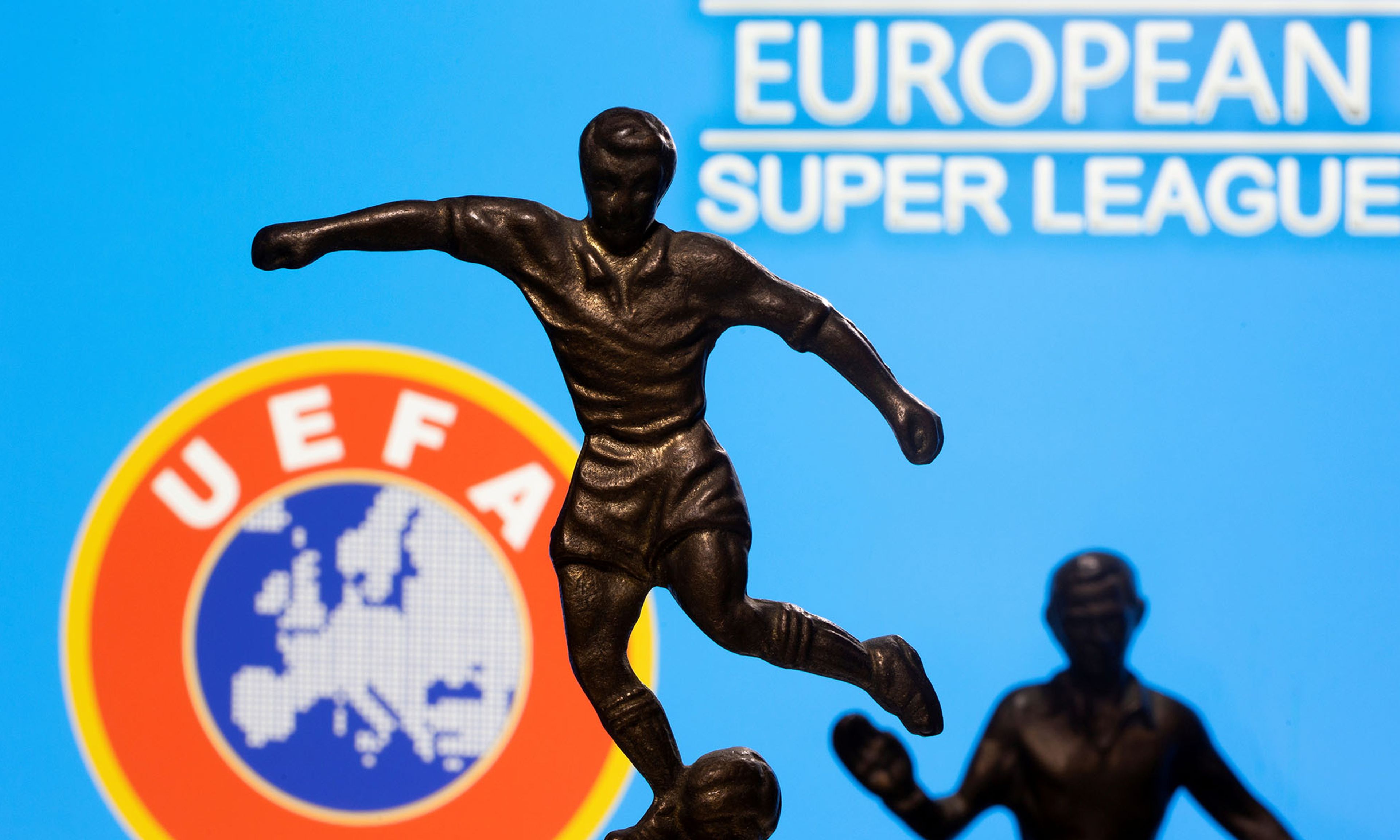
Sports teams have a similarly symbolic, if lower-stakes, hold on the human imagination, especially in the modern world. Apart from politics, professional sports is the only sphere of life in the West today in which it is still considered socially acceptable for men and women to invest otherwise quotidian and granular events with almost unfathomable meaning.




Comments