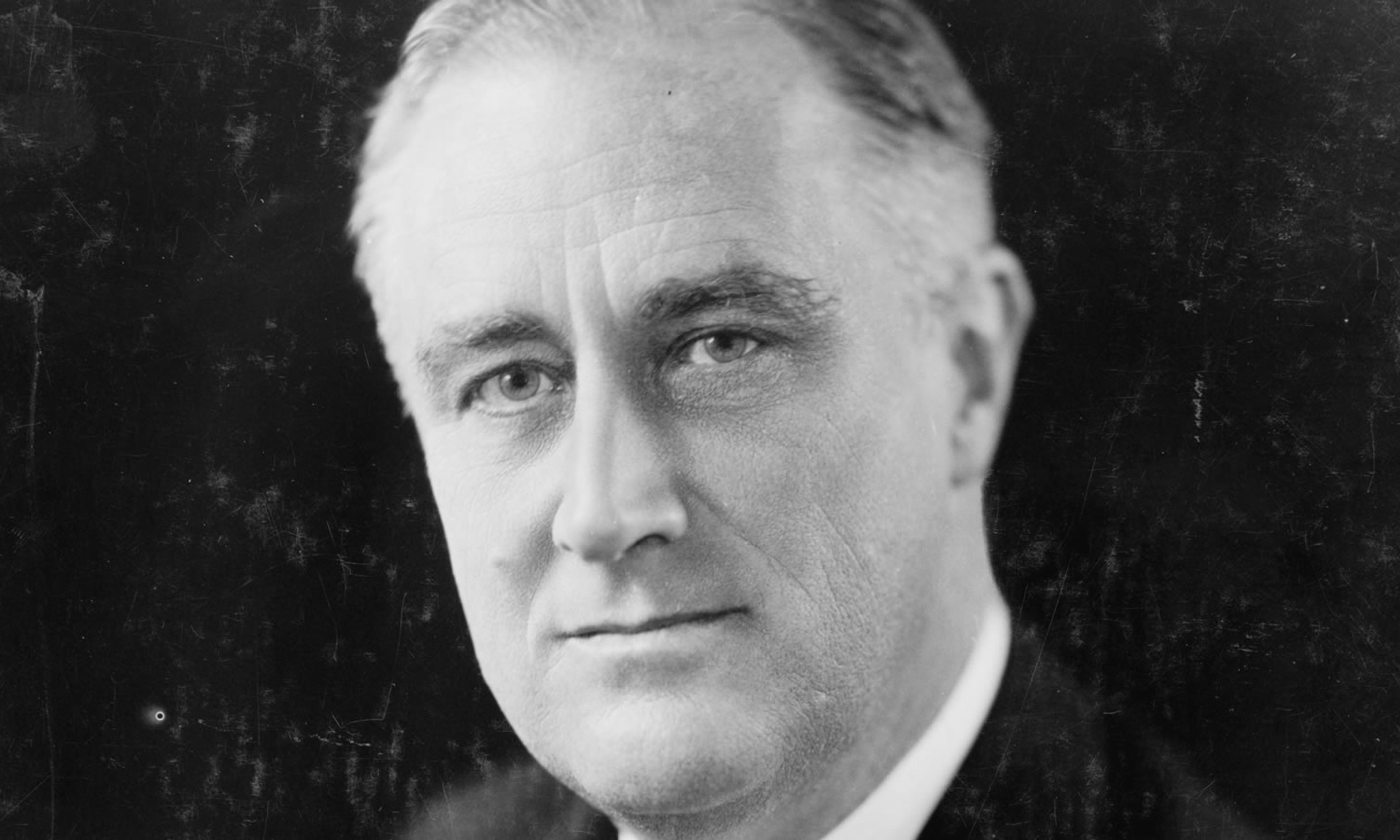
Eighty years ago, on September 27, 1940, two of the most influential civil-rights leaders in the country sat across the desk from President Franklin Roosevelt in the Oval Office. Asa Philip Randolph was the president of the Brotherhood of Sleeping Car Porters. Walter White was the secretary of the NAACP. Eleven days earlier, Roosevelt had signed the Selective Service Act, the first peacetime draft in the country’s history. Randolph and White seized the opportunity to come talk to him about desegregating the military. Which was about the last issue Franklin Roosevelt wanted to address in September 1940.
Getting the American people and their representatives in Washington to accept conscription had been hard enough. The appalling and apparently futile slaughter of World War I had turned the great majority of Americans into anti-war, anti-military isolationists. At the start of 1940 the country had virtually no munitions industry, and the U.S. Army was the 16th largest in the world, down near Bulgaria’s. The startling ease with which Hitler’s army devoured western Europe in the spring of 1940 had given Roosevelt an opening to ask Congress for a massive arms build-up — not to go to war in Europe, he carefully explained, but for defense should Hitler keep expanding his reach.




Comments