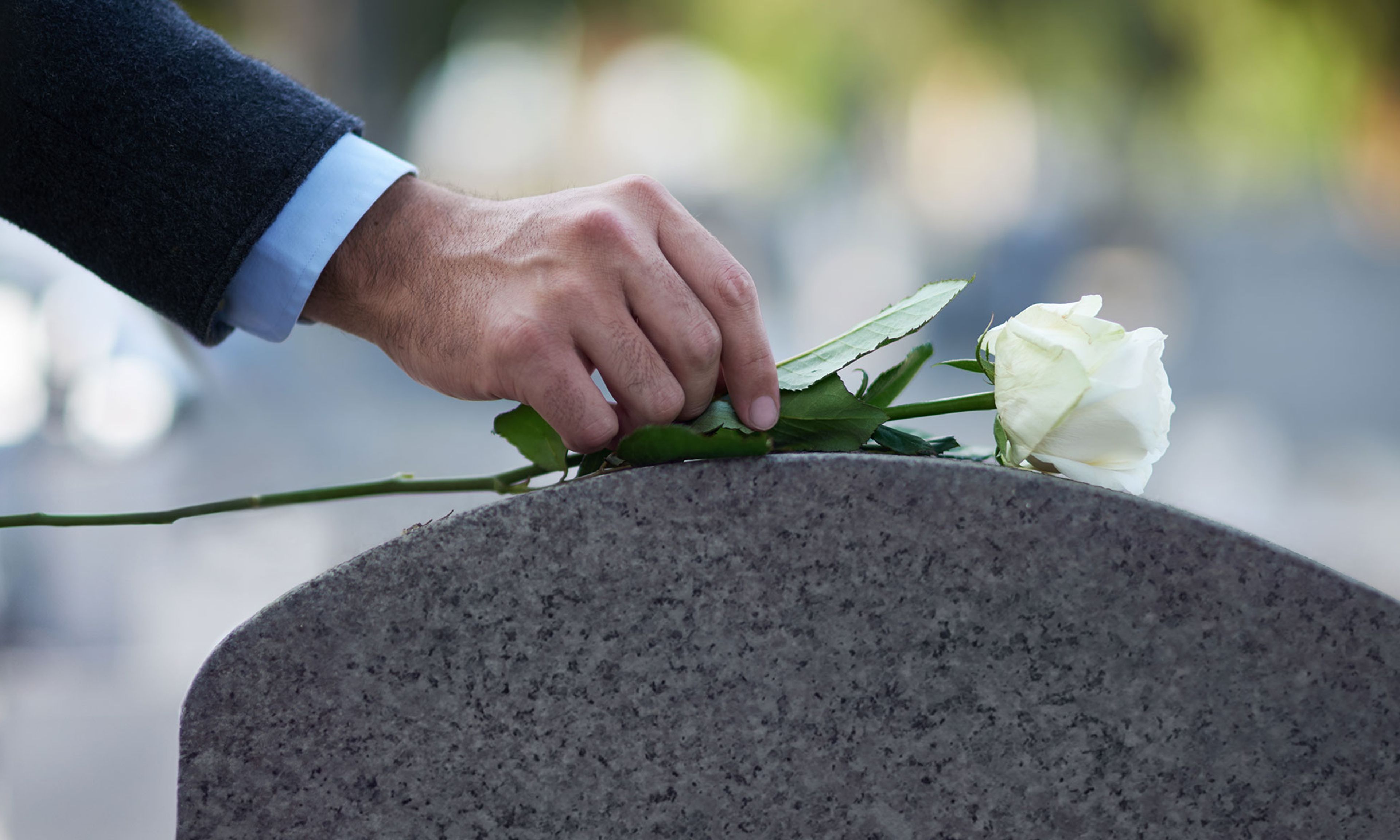
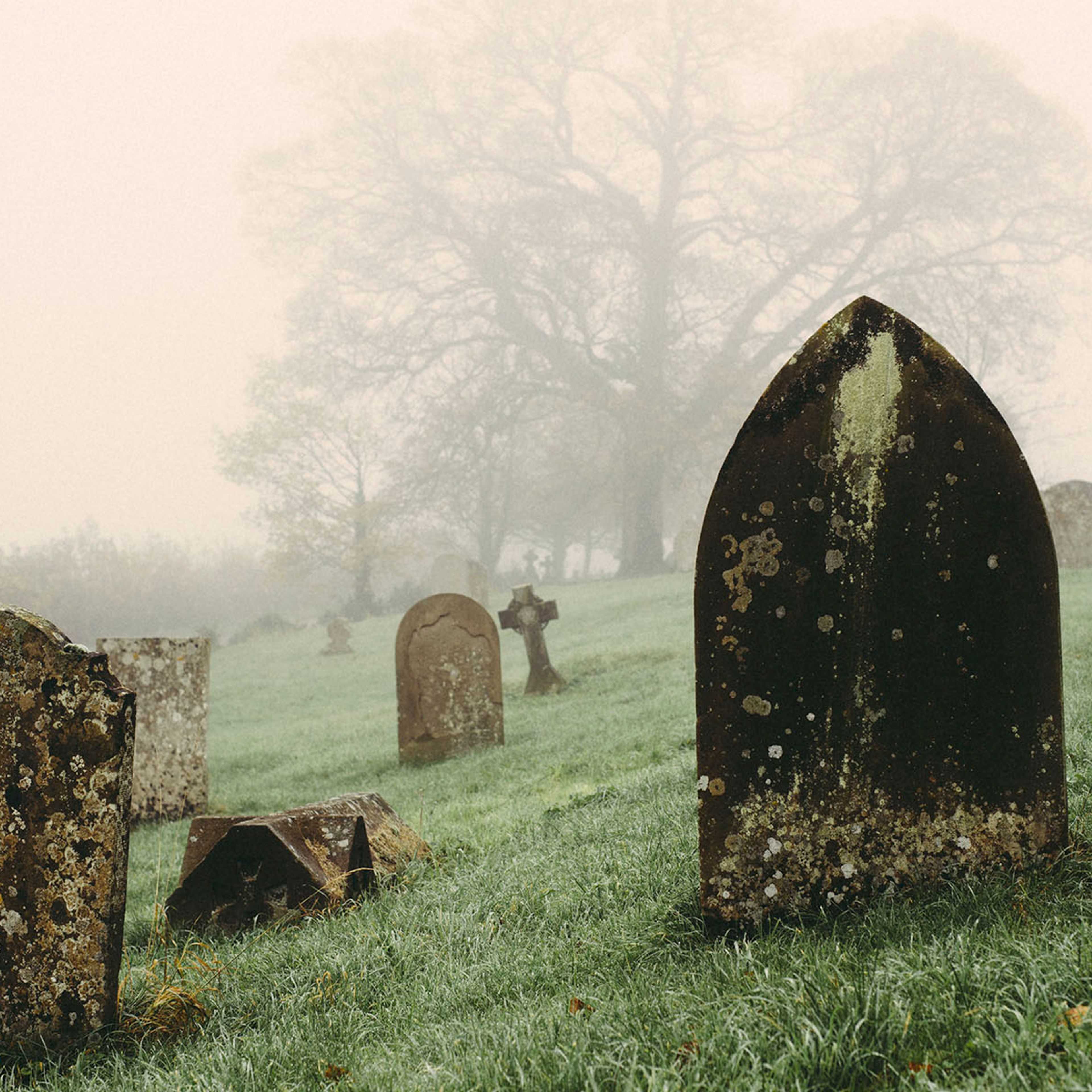
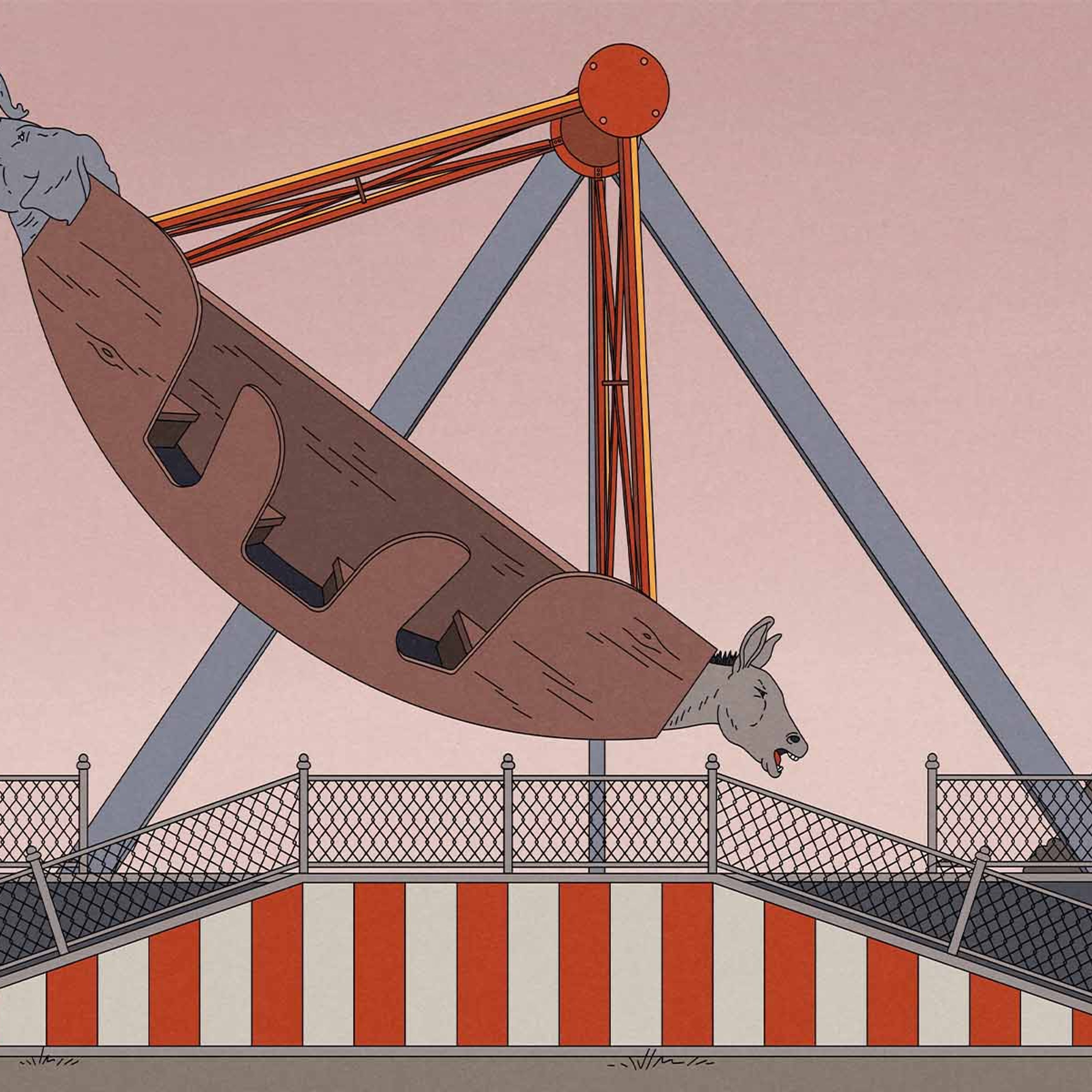
This Halloween, maybe it’s time to revive one of history’s most wonderfully demented artistic traditions: the danse macabre, or the dance of death. Featuring peasants and potentates in a manic cotillion with skeletons and corpses, the danse macabre is a late Medieval form of painting meant to drive home the realization that every one of us will meet in the end with the same hard limits. “The paths of glory,” as Thomas Gray wrote, “lead but to the grave.”
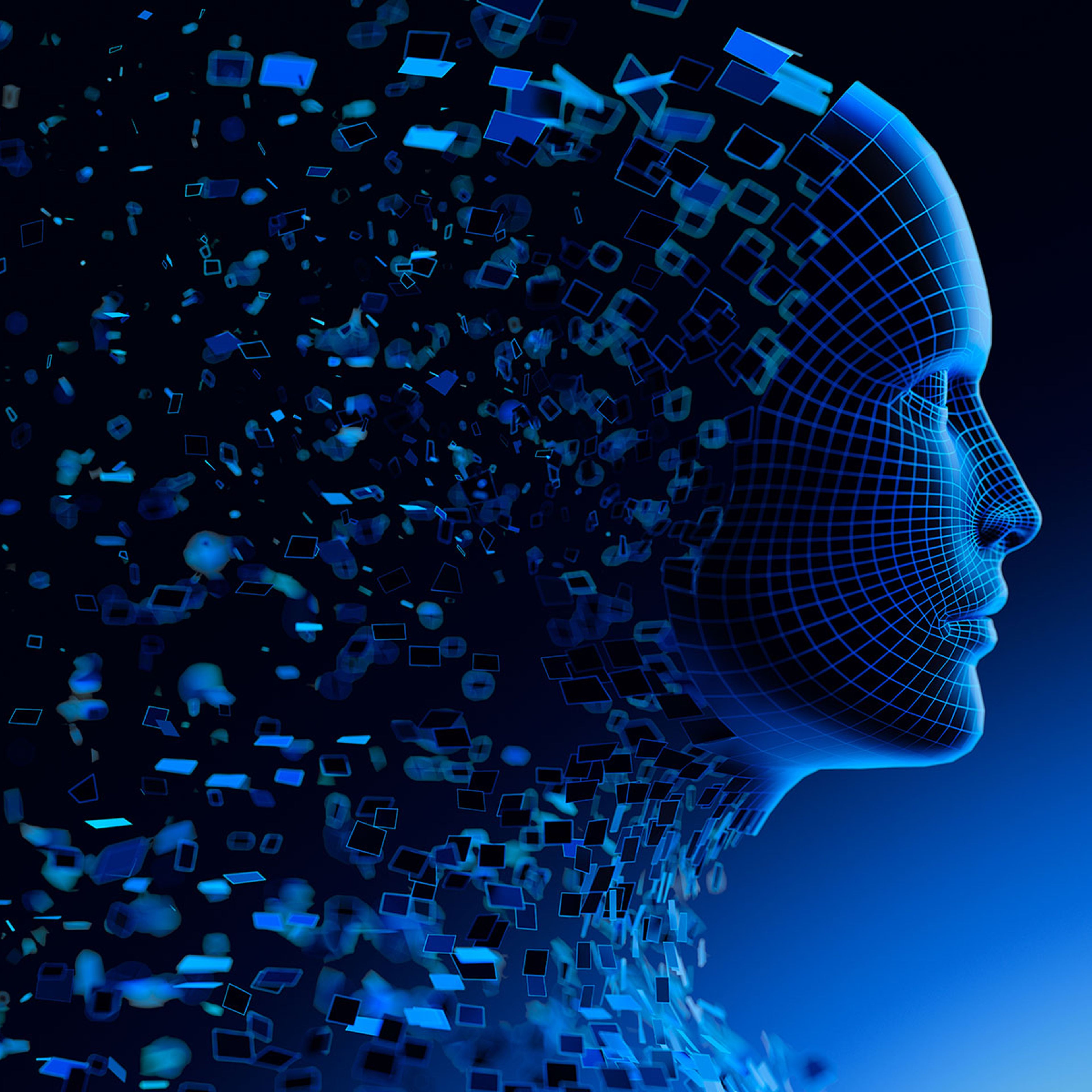
This is a word in season for our moment, which is hot with fever dreams of escaping all humanity’s ancestral limits. Death has never been a welcome fact, of course, and certain enterprising adventurers have always felt driven to look for ways of overcoming it. In some sense, the noble tradition of medicine is one big intergenerational effort to prolong life, and this places it among our worthiest sciences. But the revolutionary advent of artificial intelligence seems to have encouraged many tech optimists in the more extreme hope of using machinery to cancel death entirely. The process they envision would involve morphing into something altogether more — or at least other — than human.


Comments