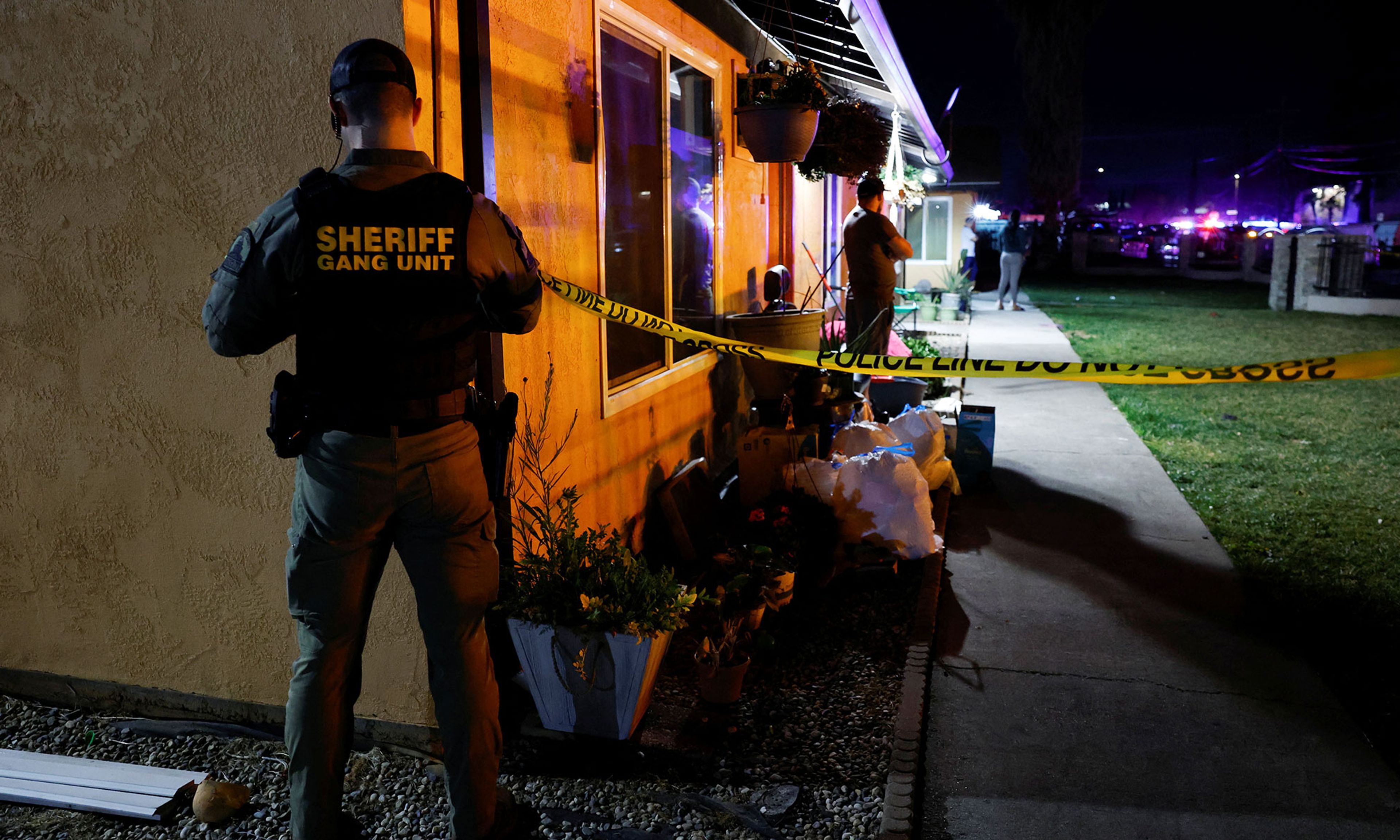
There is little doubt that the past two years have seen a serious crime spike in the United States. The gun-crime rise has been especially disturbing. Using 2019 — before the pandemic and the protests — as a baseline, gun homicides rose 35 percent by the end of 2021, and mass shootings (four or more injured or killed in a single incident) leapt an eye-popping 66 percent.
After all this bloodshed, why, two decades into the 21st century, can’t we get our gun-crime problem in hand? Before we launch with the usual nostrums — ban semi-automatic weapons, increase background checks on purchasers, enforce strict gun-licensing laws — we need to think about the nature of the gun problem and why it is so intractable. The first thing to realize is that there are multiple gun problems, not just one, and policies addressing one issue don’t work for the others.





Comments