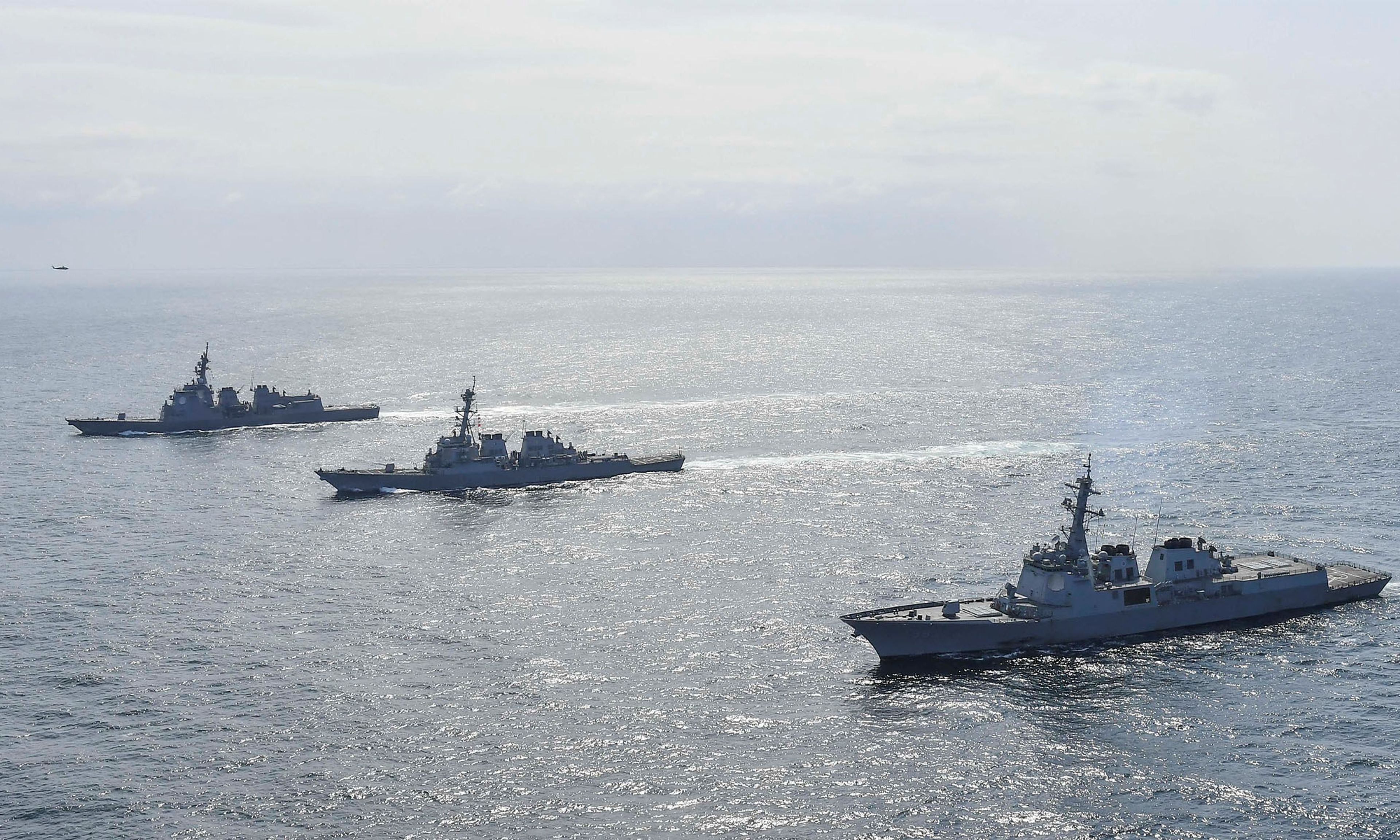
On April 4, 1949, President Harry Truman addressed a crowd of foreign dignitaries in the Andrew W. Mellon Auditorium in Washington, D.C. The subject of his speech was momentous: the founding of NATO in the face of the USSR. The nations of a region wracked with conflict and the long shadow of the communist threat banded together (under the American security umbrella) to stave off the possibility of yet another continent-wide war. Seventy-four years later, the Soviet threat is gone, but the preeminence of NATO has not subsided. As Russia attempts to actualize its imperial fantasies in eastern Ukraine, the NATO bulwark continues to guarantee the safety of 29 European countries. Truman’s bold vision and resolve to forge an alliance between states that had historically been adversaries guaranteed peace in a region of the world that had only ever known war.
Today, a similar threat faces a region with a history just as rich in conflict. Despite the pronouncements of the current administration, a vision just as bold and far-reaching as Truman’s is needed to stave off the threat.

Comments