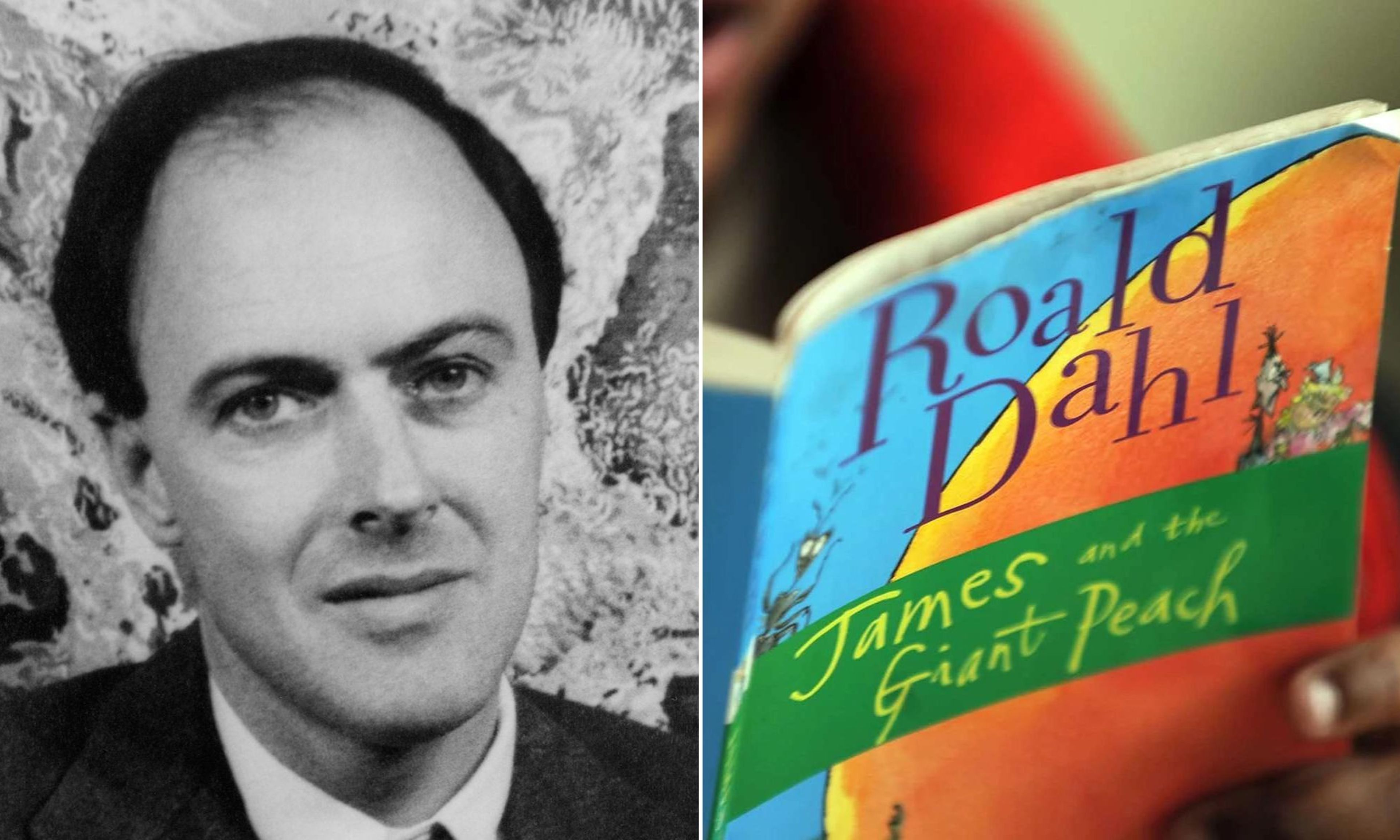
Egregious though it is that Roald Dahl’s books have been edited to make them “morally acceptable,” we should not be too concerned about the editing itself. People have always interfered with literature. Charles C. W. Cooke recently asked whether the sensitivity editors will come for Shakespeare next — well, they already have! Shakespeare has been mangled out of all recognition several times. There is one clear difference, though, between Shakespeare and Dahl. Anyone can edit Shakespeare, whereas only Dahl’s estate can edit him.
Copyright — not the sentimental urge to “improve” a book — is the real villain. Once Dahl goes out of copyright, anyone will be able to do whatever they want to his work. His stories won’t just have a few words changed: Plots will be altered, characters added and removed, adaptations made, scary stuff turned to cheery stuff. But once the original is out of copyright, these would become additions, not replacements.




Comments